Exploring Tutu Tulle: Uses and Fashion Significance

Intro
Tutu tulle is more than just a fabric; it’s a cornerstone in the world of fashion, beloved across various vines of design for its unique qualities. Made from a blend of nylon, polyester, or silk, tutu tulle is known for its airy lightness, making it a go-to choice for everything from traditional ballet costumes to high-fashion garments. This guide dives into the depths of tutu tulle, revealing its material composition, historical significance, and how it aligns with modern trends, particularly in sustainable fashion practices.
Fabric Education
To fully adore tutu tulle, understanding its place within the broader spectrum of fabrics is key. It doesn’t stand alone but is part of a vibrant tapestry of textile options available to designers and consumers alike.
Understanding Different Fabric Types
Fabric types can vary tremendously. Tutu tulle has its own niche and is structured in a way that gives it that characteristic structure. In contrast, other fabrics, like silk and satin, boast smoothness and a rich, lustrous surface. Here’s how tutu tulle stacks up:
- Tutu Tulle
Light, crystalline structure, often layered for volume. Perfect for skirts, veils, and overlays. - Silk
Soft and luxurious, it caresses the skin but lacks the same airy boldness that tulle provides. - Satin
Shiny and fluid, it doesn't offer the stability or shape that tutu tulle imparts to a design.
Each fabric carries its unique characteristics, tailored to evoke different feelings and functionalities in fashion.
The Lifecycle of Fabrics: From Production to Disposal
When you look at fabrics like tutu tulle, it's important to understand their lifecycle. The journey begins with raw materials such as nylon or polyester, which are then transformed through manufacturing processes into the ethereal fabric we recognize today. The journey, however, doesn’t end here. Once a garment reaches the consumer, its fate hangs in the balance. Here’s a brief overview:
- Production - Raw materials are processed into fabric, often involving chemical treatments that raise environmental concerns.
- Usage - Fabrics are worn, and over time, styles change. Tutu tulle may find itself retired from the dance floor to be creatively repurposed in fashion.
- Disposal - Many fabrics abruptly meet their end via landfills, contributing to environmental distress.
Understanding the lifecycle prompts thoughtful decisions in fashion, urging designers and consumers alike to reconsider their choices.
"Every thread has a story, and the choice of fabric can change the narrative completely."
Sustainable Practices
In today’s fashion world, sustainability isn’t just a buzzword; it’s a calling. Especially regarding tutu tulle, there’s an increasing demand for eco-friendly alternatives that don’t sacrifice quality for conscience.
Eco-Friendly Fabrics and Their Benefits
Several eco-friendly options are available that mimic tutu tulle's whimsical and light aura without the ecological footprint. Examples include:
- Organic Cotton - Grown without pesticides, it’s biodegradable and less taxing on the environment.
- Recycled Polyester - Made from post-consumer plastic, it drastically reduces waste and uses less energy than virgin materials.
- Tencel - Derived from sustainably sourced wood pulp, this graphic aligns wonderfully with gentler production practices.
The benefits are clear-cut: using these eco-friendly fabrics allows for a softer footprint on the Earth, promoting practices that stall climate change.
Tips for a Sustainable Wardrobe
Creating a sustainable wardrobe doesn’t mean entirely reinventing your closet. Here are a few simple, impactful steps:
- Invest in Quality - Focus on pieces made from durable materials, like well-crafted tutu tulle.
- Mixed Match - Combine old and new pieces. Layering your garments can introduce flair and richness to any outfit.
- Second-Hand Finds - Explore thrift stores, online markets, and swap events for unique clothing items.
By weaving sustainability into everyday fashion choices, your wardrobe can tell a story that’s both stylish and responsible.
Understanding Tutu Tulle
Tutu tulle plays a pivotal role in fashion, stretching beyond the realm of traditional ballet garments into the broader landscape of contemporary style. It serves as a fabric beloved for its versatility and unique qualities. Gaining insight into the fabric not only enhances appreciation but also informs choices for designers and fashion enthusiasts alike. Understanding tutu tulle means recognizing its aesthetic, structural, and historical significance, which enhances our grasp of its position in wardrobe staples and high fashion.
Definition and Characteristics
Tutu tulle is a thin, lightweight, and often sheer fabric made of nylon or silk fibers. This fabric is typically characterized by its crisp, net-like structure, which allows it to hold shape, making it the go-to for voluminous skirts, overlays, and decorative elements. When we talk about tutu tulle, we refer to a material that can be both delicate and sturdy, with a certain ethereal quality that makes it appealing in numerous applications. Its popularity in costume design isn't merely incidental; it's about the unique interplay of light and shadow as the fabric moves, creating visual interest that captivates the viewer.
Types of Tulle Fabrics
Tulle fabrics come in various types, each offering unique characteristics suited for different applications in fashion. Here, we will delve into the main types: silk tulle and nylon tulle, as well as look at how organza compares to tulle.
Silk Tulle
Silk tulle is renowned for its softness and luxurious feel. This type of tulle possesses a delicate luster that adds an extra layer of sophistication to any garment. One key characteristic of silk tulle is its lightweight quality combined with strength, making it an excellent choice for layers in formal wear. It drapes beautifully, allowing for graceful movement and a refined silhouette.
While silk tulle brings a touch of luxury, it also has its disadvantages. It can be more susceptible to tearing than the synthetic options, and its high cost often limits its usage to high-end designs. This exclusivity, however, is part of its allure, making it a popular choice among designers aiming for that high-fashion aesthetic.
Nylon Tulle
On the flip side, we have nylon tulle, a more robust fabric often preferred for its durability and affordability. Nylon tulle is resistant to wrinkles and can withstand the rigors of dance wear, making it a fantastic choice for ballet tutus and everyday fashion. One significant advantage of nylon tulle is its availability in a diverse array of colors, which allows for creative expression in designs.
It does have a tendency to be less breathable than silk, but its practicality often outweighs this drawback, particularly in contexts where high levels of movement are involved. Thus, nylon tulle earns its place as a workhorse of the tulle family.
Organza vs. Tulle
When comparing organza to tulle, the two fabrics may initially seem similar, but each brings its own distinct qualities to the table. Both are sheer, but organza tends to be crisper and has a more structured feel. This makes it suitable for garments requiring a stiffer silhouette, such as a structured evening gown or elaborate sleeves.
Tulle, in contrast, offers a softer drape that can layer and flow more freely around the body. The choice between organza and tulle ultimately hinges on the desired effect: if a designer is looking for something airy and light, tulle might be their best bet; however, if the goal is creating dramatic shapes, organza might hold the edge. Each fabric carries its own unique features and advantages, guiding designers in their applications and ensuring that the final product aligns with a specific vision or theme.
"The choice in fabric can make or break the design, and understanding the nuances can lead to truly captivating pieces."
Each type of tulle brings its own charm to the fashion world, helping craft everything from playful skirts to elegant overlays, thus further enriching the tapestry of modern design.
Historical Context of Tutu Tulle
Understanding the historical context of tutu tulle is essential to appreciate its significance in the realm of fashion. The journey of this fabric narrates a rich tapestry of creativity and transformation. Its evolution has paralleled shifts in society, highlighting not just aesthetic changes, but also cultural milestones. Grasping this background paves the way for a deeper understanding of how tutu tulle has woven itself into various aspects of fashion identity and expression.
Origins in Ballet
Tutu tulle finds its roots in the world of ballet, where it serves not just as a costume material but also as a symbol of the elegance and artistry inherent in dance. The tutu itself, often composed of layers of tulle, provides not only the visual halo that surrounds a ballerina but also a sense of movement and lightness.
The lightweight nature of tulle allows for fluid motion, making it an optimal choice for performers who require garments that won't hinder their grace. In the 19th century, when ballet began to flourish, tulle's adoption marked a significant shift in dancer attire. The fabric captured the light beautifully, enhancing the ethereal quality of performances. This connection between tulle and ballet underscores its importance beyond mere fashion—it embodies the spirit of creativity and elegance that dance encapsulates.
Evolution in Fashion
As fashion evolved, so too did the uses of tutu tulle. Its adaptability saw it transition from the confines of the ballet stage to the bustling streets of fashion capitals. During this journey, two distinct phases emerged: the 1920s flapper era and the post-war fashion trends.
The Flapper Era
The flapper era marked a bold shift in women's fashion, pushing boundaries and challenging conventions. Tutu tulle became a beloved choice during this time due to its airy feel and ability to lend an air of flamboyance to flapper dresses. The unique feature of layered tulle skirts captured the essence of the period—freedom, rebellion, and individuality.
One could say the flapper dress, often adorned with tulle, celebrated the newfound freedom women experienced post-World War I. The short hemline and flared skirts were not just practical but made a statement about liberation. The charm of tutu tulle in this context provides ample advantages: it’s playful yet sophisticated, making it an ideal choice for the modern woman of the era.
Post-War Fashion Trends
Following World War II, fashion underwent another transformation as society looked to rebuild and redefine itself. The post-war fashion trends saw a resurgence of femininity and glamour. Tutu tulle again took center stage, this time in the form of voluminous skirts that symbolized a newfound hope and resurgence in elegance.
A defining characteristic of this era was the emphasis on the hourglass silhouette, achieved beautifully through the layering of tulle. Designers such as Christian Dior exploited this trend, creating collections that emphasized the feminine form. The advantages of using tutu tulle during this period included its versatility and ease of styling, allowing for a detailed yet soft appearance. This alignment with the emotional state of the times made tutu tulle a beneficial material for designers and wearers alike.
As fashion constantly evolves, the journey of tutu tulle reveals the fabric's capacity to adapt, forming ties to movements that shape our cultural landscape.
In sum, understanding the historical journey of tutu tulle reveals much about its role not just in fashion, but as a reflection of broader social changes. From the elegance of ballet to the free-spirited flappers and the revisiting of femininity post-war, tutu tulle’s legacy is as much about cultural resonance as it is about materiality.
The Aesthetic Appeal of Tutu Tulle
Tutu tulle stands as a cornerstone within the fashion industry, defined not just by its material properties but by the unique visual feelings it evokes. Its appeal breaks down to a few key elements that can seamlessly elevate any outfit, offering a whimsical yet sophisticated touch. This section delves into the notable visual qualities of the fabric and how various colors and textures play a pivotal role in its allure.
Visual Qualities
When we talk about the visuals of tutu tulle, we must start with its inherent transparency and sheer quality. This fabric often creates a delicate, almost ethereal effect against the skin. Thanks to its lightweight nature, layers of tutu tulle can build depth in an outfit without overwhelming it—think of a dancer’s graceful movements when she spins under the spotlight, where every layer catches the light in a different way.
Some visual aspects include:
- Sheerness: Tutu tulle offers a glimpse of the underlying fabric or skin, adding intrigue to the garment.
- Volume: The gathered layers create a full silhouette, giving an impression of buoyancy and playfulness.
- Movement: The way it flows and reacts to motion captures a narrative, enhancing the visual storytelling in fashion.
In specific applications, such as ballet costumes or couture dresses, these qualities are meticulously crafted to embrace the body’s shape and movements, thus becoming a vital element of the overall aesthetic.
Color and Texture Variations
The color palette available for tutu tulle is as vast as an artist's canvas. This versatility allows designers to tailor their creations according to the mood they wish to convey. From pastel pinks that elicit feelings of innocence to bold reds that command attention, tutu tulle can adapt for various occasions, making it a favorite among fashion enthusiasts.
Notable considerations include:
- Dye Process: Tulle can be dyed in numerous shades, allowing for unique customizations that match event themes or individual styles.
- Textural Effects: Some variations of tutu tulle come with pre-embellished details like sequins or glitter, providing a dramatic visual feast that can elevate simple designs into something spectacular.
- Mixing Fabrics: Pairing tutu tulle with other materials such as satin or silk adds contrast and depth, making the outfit visually striking.
It’s the interplay of light and shadow in tutu tulle’s fabric that captures the gaze. A well-styled tutu isn’t just an outfit; it’s a canvas of expression.
Ultimately, the aesthetic appeal of tutu tulle combines technical finesse and artistic expression. This fabric not only enhances the physical appearance of a garment but also the emotions and statements it can convey. Whether used in a high-fashion runway show or a more casual setting, tutu tulle promises to bring a unique, dreamy quality that resonates well with those who wear and admire it.
Applications in Modern Fashion
Tutu tulle has carved a significant niche in today’s fashion landscape, transcending its origins in ballet to become a staple in various styles and designs. Its lightweight, ethereal nature offers versatility that appeals to designers and fashion aficionados alike. The importance of tutu tulle in modern fashion lies not merely in its aesthetic but also in its functionality and adaptability. With the fusion of contemporary trends and timeless elegance, tutu tulle is strutting down runways and stepping into closets, proving that material can define an entire look.
Formal Wear and Couture

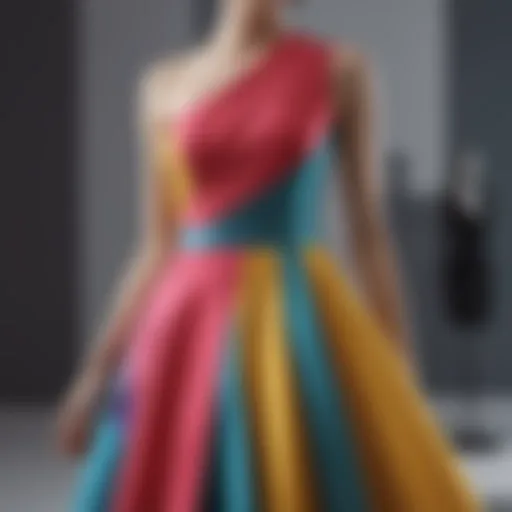
When it comes to formal wear and couture, tutu tulle shines brightly. Designers often employ it to add volume and drama to gowns, creating silhouettes that command attention. From red carpet events to high-fashion runway shows, the fabric enhances the grandeur of evening wear while allowing for breathability and comfort. Some notable fashion presentations have showcased tutu tulle in layered skirts, creating a look reminiscent of opulence and sophistication.
Here are a few considerations when working with tutu tulle in formal settings:
- Layering: Incorporating multiple layers can add depth to an outfit, making it visually arresting.
- Accent Colors: Pairing tutu tulle with bold hues can create striking contrasts that enhance the design.
- Silhouette Choices: Fitted bodices combined with billowy skirts emphasize the waist while allowing flowy movement.
"A stunning gown can make a statement, but add tutu tulle, and it transforms into a piece of art that dances with the light."
Casual and Street Styles
The evolution of tutu tulle extends well beyond the elegant evening dress; it's making its mark in casual and street styles as well. Designers are experimenting with tutu tulle in everyday attire, pushing boundaries and defying traditional aesthetics. Whether paired with denim for a playful touch or layered over simple tees, tutu tulle brings an unexpected flair to street fashion.
Considerations for styling tutu tulle in casual outfits include:
- Mix and Match: Combine with casual pieces to strike a balance between playful and polished.
- Color Choices: Soft pastels can evoke a whimsical vibe, while bold colors make a more daring statement.
- Fabric Blend: Pairing tutu tulle with other materials, such as cotton or leather, can help create a balanced look that retains individuality.
Tutu Tulle in Everyday Fashion
Incorporating tutu tulle into everyday fashion is all about accessibility. One can find tutu-inspired pieces ranging from skirts to layered tops at various price points, enabling broader access to this chic material. It infuses daily outfits with personality.
Some practical tips for incorporating tutu tulle into everyday wear:
- Layering with Basics: Pair a tutu tulle skirt with a simple knit sweater for a stylish, yet easy look.
- Footwear Choices: Sneakers or ankle boots can ground the airy feel of tutu tulle, making it appropriate for day-to-day activities.
- Casual Events: Look to this fabric during gatherings or fun outings; its playful vibe is perfect for casual wear.
Each application of tutu tulle in modern fashion showcases its enduring relevance, reflecting a pulse of creativity and personal expression. As the fabric continues to inspire, its place within the wardrobes of today’s fashion-savvy individuals is assured.
Tutu Tulle in Costume Design
Tutu tulle holds a unique position in the world of costume design. Its lightweight, airy structure offers a canvas for creativity that enables designers to experiment and push boundaries. Particularly in theatrical productions and cosplay, tulle serves not only as a fabric, but as a tool for storytelling and character development. The way it flutters and moves can evoke emotions, setting the scene in ways that other materials simply can’t.
Theatrical Productions
In theater, tutu tulle is often used to create stunning costumes that captivate the audience's eye. Think about the classic ballet performances; the ethereal quality of tulle is what transforms a dancer into a fairy or a princess. The fabric's ability to hold its shape makes it ideal for creating voluminous tutus that not only look grand but also allow for fluid movement required in dance.
Consider how visual illusion plays a pivotal role in stagecraft. The layers of tulle can vary from soft pastels to striking contrasts, helping define characters through color symbolism. For example, a villain may sport stark black tulle, while a heroine might wear delicate pink layers. Tulle lets designers illustrate deeper meanings through fabric choices.
Many directors have taken advantage of tulle's versatility to explore themes of transformation. From the fluttering gowns of Shakespearean heroines to the haunting wisps of a ghost, tutu tulle offers texture and depth that enhances the narrative arc of any play.
"The fabric becomes a character itself, echoing the emotions of the scene, and adding a layer of magic that only tulle can provide."
Cosplay and Fantasy Costumes
On the flip side, in the realm of cosplay and fantasy conventions, tutu tulle serves as a playground for imagination. Fans often replicate iconic characters using tulle to bring them to life in vibrant colors and eccentric designs. The flexibility of tulle allows cosplayers to craft everything from whimsical fairies to powerful warriors.
One of the most significant advantages of using tutu tulle in cosplay is its adaptability. Cosplayers can layer tulle to create volume, which can be paired with more structured fabrics to give a striking contrast. A simple costume can go from drab to fab with the flutter of a tulle skirt added to it.
When considering practical elements, many cosplayers appreciate the ease of movement tulle provides, making it easier to maneuver in crowded conventions. Moreover, its lightweight nature means that extensive costumes can often be worn for longer periods without fatigue.
In summary, whether it's on the stage or at a convention, tutu tulle opens a world of possibilities for costume designers and cosplayers alike. Its ability to embody themes, add motion, and facilitate transformations makes it an invaluable asset in the art of costume design.
For more about the creative uses of fabrics in costuming, you can explore resources such as Wikipedia on Costume Design or insightful discussions on Reddit's Costuming Community for inspiration.
Sustainability and Tulle Fabrics
When it comes to fashion, sustainability is no longer just a buzzword; it is becoming a necessity. With the environmental challenges facing us today, the textile industry holds the burden of responsibility. Tulle fabrics, particularly tutu tulle, are often celebrated for their ethereal beauty, but there’s another layer to explore—its sustainability. This section dives deep into eco-friendly alternatives and reducing fashion footprints related to tulle fabrics.
Eco-friendly Alternatives
The quest for eco-friendly alternatives to traditional materials is changing the game in fashion. When we talk about tulle, it’s important to recognize that not all tulle is made equally. There are options available that cater to those who want to look good and feel good about their choices. The most notable among these are:
- Recycled Polyester Tulle: This type of tulle is made from recycled plastics, which helps to divert waste from landfills and reduces the demand for virgin materials. Not only is it practical, but it also maintains the sheen and softness similar to traditional polyester tulle.
- Organic Cotton Tulle: Cotton that's grown without synthetic pesticides or fertilizers can be transformed into a soft and breathable tulle. It’s a wonderful option for those seeking natural fabrics.
- Bamboo Tulle: Enzymes derived from bamboo make for a breathable, biodegradable fabric. Bamboo tulle is gaining traction among sustainable designers who aim for a reduced environmental footprint.
Using these alternatives not only promotes a greener fashion industry but also encourages consumers to appreciate the effort it takes to create sustainable options. Choosing eco-friendly tulle is a fast and impactful way to make a difference.
"Sustainable fashion is not an oxymoron! It connects art with responsibility."
Reducing Fashion Footprint
Industry-wide shifts towards sustainability are great, but individual actions can make waves too. Each of us holds the power to minimize our fashion footprint.

To reduce the impact associated with tutu tulle and similar fabrics, consider the following:
- Buy Less, Choose Wisely: Before adding a piece to your wardrobe, think about its versatility and how often you'll wear it. Rather than impulsively grabbing multiple items, find pieces that you truly love.
- Opt for Quality Over Quantity: Invest in high-quality tulle garments that will last. Cheaper alternatives often lead to a cycle of fast fashion, where items are discarded quickly. Durable pieces save you money in the long run and reduce waste.
- Seek Out Brands with Transparency: Many fashion brands are now adopting ethical practices that promote sustainable manufacturing. Take time to research brands and their production ethics. This way, you can support businesses that are mindful of their environmental impact.
- Mind the Care: Taking good care of your garments to prolong their lifespan is key. Understand the washing and maintenance requirements—knowledge is power in keeping your items beautiful without contributing to environmental damage.
Each act of consideration contributes to a collective effort towards a more sustainable fashion landscape. Small changes add up over time and engage a community of conscious consumers. As we tread carefully into the future of fashion and tulle, let's keep sustainability front and center; after all, it’s about looking good while doing good.
Styling Tips for Tutu Tulle
When it comes to fashion, tutu tulle stands out not just for its delicate appearance but also for its versatility. Understanding how to style this whimsical fabric is essential for anyone looking to make a bold statement with their outfits. The right tips can elevate your ensemble from ordinary to extraordinary, allowing you to stand out in any crowd. This section delves into layering techniques and accessorizing options that harmonize beautifully with tutu tulle.
Layering Techniques
Layering is an art form in fashion, particularly when it involves tutu tulle. Getting this right not only adds depth to your look but also offers various ways to express your individuality. Here are some practical techniques:
- Base Layer Consideration: Start with a fitted base, like a sleek bodysuit or a snug tank top. This way, the full effect of the tulle can be showcased without unnecessary bulk beneath. A monochromatic base can work wonders, allowing the softness of the tulle to take the spotlight.
- Dresses and Skirts: When layering a tutu skirt, consider wearing a longer, flowy piece over it, like a lightweight maxi dress. This can create a beautiful cascading effect, melding textures in a way that is visually intriguing. Opt for earthy tones paired with bright tutu colors to maintain a balanced palette.
- Play with Lengths: Pair a short tulle skirt with an oversized sweater. This juxtaposition not only looks chic but is also perfect for creating a playful vibe. The key is balancing short with long to achieve a well-proportioned silhouette.
By carefully planning your layers, you can change the entire mood of your outfit. Remember, layering can offer warmth, but it must also allow for movement and fun, especially with something as playful as tutu tulle.
Accessorizing with Tulle
Accessorizing can make or break an outfit, and with tutu tulle, this rings especially true. Accessories should enhance the tulle's charm without overshadowing it. Here's how to find the right balance:
- Statement Belts: A bold belt can cinch the waist and define your figure, drawing attention to the layers of tulle. Look for belts that incorporate embellishments or interesting patterns to add excitement to your look. A metallic or sequined belt can add a luxurious touch while still keeping it playful.
- Footwear Choices: Footwear selection plays a significant role in styling tutu tulle. High heels can elongate the appearance of the legs and complement the airy feel of tulle. On the other hand, ankle boots can provide a more grounded look, perfect for a casual day out. When in doubt, a classic pair of ballet flats bridges the gap between chic and comfortable.
- Jewelry Considerations: Regarding jewelry, less is often more. Simple earrings or a delicate necklace can keep the focus on the tulle. If you wish to make a statement, consider oversized earrings that can add an unexpected twist without causing distraction.
Ultimately, accessorizing with tutu tulle allows you to express your unique style. Remember that every piece should harmonize with your overall look to achieve a polished finish.
"A well-styled outfit is a canvas where each layer and accessory tells a story."
Understanding how to layer effectively and choose the right accessories is crucial for anyone who wishes to embrace the enchanting essence of tutu tulle. These practical tips will not only help you shine in your ensemble but also allow you to appreciate the fabric's unique charm.
Care and Maintenance
Taking proper care of tutu tulle is essential for maintaining its beauty and functionality over time. This delicate fabric is not only visually striking but also has specific requirements that need attention to ensure longevity. Improper care can lead to tangling, distortion, or even permanent damage, which one surely wants to avoid. This section sheds light on the importance of care and maintenance for tutu tulle, emphasizing the right practices for its washing and storing.
Washing Instructions
When it comes to washing tutu tulle, one must tread lightly. The fragility of this fabric necessitates gentle handling. Here are some step-by-step guidelines to follow:
- Hand Wash is Ideal: Always prefer hand washing instead of using a machine. Fill a basin with cool water and add a mild detergent. Swirl gently until it dissolves.
- Soak and Rinse: Submerge the tutu tulle and let it soak for about 10-15 minutes. After soaking, rinse it thoroughly with cool water until all detergent is removed.
- Avoid Wringing: Do not wring the fabric to remove excess water; instead, press the water gently out between two towels. Wringing can distort the fabric’s shape.
- Air Dry: Hang the tulle to air dry, but keep it away from direct sunlight to prevent fading. An ideal spot would be one that’s cool and shaded.
By following these steps, you can ensure that your tutu tulle garment retains its elegance and functionality for years.
Storage Solutions
Once cleaned, storing tutu tulle properly becomes the next crucial step. Improper storage can lead to creases and tangles, hindering its stunning appearance. Here’s how to do it right:
- Use Hangers: Store tutu skirts or dresses by hanging them, preferably on padded hangers to avoid any dents.
- Avoid Folding: If you must fold the fabric, place a layer of tissue paper in between folds to minimize creasing.
- Choose a Breathable Bag: When storing for longer periods, choose a cotton garment bag rather than plastic. Plastic can trap moisture and lead to mold or mildew.
It’s advisable to check on your stored tutu tulle periodically to ensure it remains in the best condition.
Proper care and maintenance might seem like a chore, but the payoff of keeping your tutu tulle fresh and eye-catching is well worth the little effort it takes.
By following these washing instructions and storage solutions, you make a significant investment in the longevity of your tutu tulle garments. The effort to care for this delicate fabric not only enhances its appearance but also its value in a fashion-savvy wardrobe.
Future Trends in Tutu Tulle Fashion
The realm of tutu tulle is experiencing a renaissance, poised at the intersection of tradition and modernity in the fashion industry. This section delves into future trends in tutu tulle, illuminating its ever-evolving role within the fabric landscape. Renowned for its versatility, tutu tulle is not just confined to ballet and performance wear; it's making waves across a variety of fashion genres, indicating that its significance will only grow.
Innovative Uses in Fashion Shows
Fashion shows are the fertile ground where creativity takes root, and tutu tulle has found its place as a staple in innovative design. Designers are exploring new ways to harness the fabric's delicate nature, transforming it into pieces that capture the imagination. Notably, its sheer quality allows for stunning layering effects that can both highlight and conceal, creating an ethereal aesthetic.
Tutu tulle's adaptability is favorable in showing off bold hues and intricate patterns. Designers are crafting dramatic silhouettes that command attention, often pairing tutu tulle with unexpected materials, like leather or denim, for a striking juxtaposition. This blend of tough and delicate plays well into current trends that challenge traditional femininity in fashion.
Additionally, we can expect future collections at major fashion weeks around the globe to embrace more sustainable practices. Designers are introducing eco-friendly materials into their lines, and tutu tulle, being lightweight and dependent on less fabric, can contribute to reducing waste while maintaining opulence. As show-goers become increasingly mindful of environmental impact, tutu tulle stands ready to honor this shift without sacrificing style.
Emerging Designers and Tulle
New designers entering the industry are breathing fresh life into tutu tulle, incorporating it into their collections in innovative ways. Many of these emerging talents are known for pushing the envelope, challenging conventions, and bringing forward the fabric’s capability to evoke emotion and tell a story. Such designers often draw inspiration from subcultures and art movements, using tutu tulle to reflect diverse narratives that resonate with contemporary audiences.
One trend observed is the incorporation of tutu tulle into everyday wear, a shift that speaks to the demand for versatility in modern clothing. Emerging designers are crafting casual pieces that still retain the spirit of haute couture, enabling everyday fashionistas to experience the elegance of tutu tulle without the formality. By integrating this fabric into streetwear or business attire, designers create an accessible aesthetic that appeals to younger, fashion-forward consumers.
As the fashion world reflects increasing diversity and inclusion, the use of tutu tulle by these new voices points toward a brighter future in fashion. It signals a shift towards recognizing various interpretations of beauty and style, making the fabric not just a trendy choice, but one that aligns with deeper cultural dialogues.
Emerging designers harness the potential of tutu tulle, transforming it into contemporary expressions that seek to inspire and challenge the status quo.
In sum, the future of tutu tulle in fashion looks bright as its appeal continues to grow. It's not simply a fabric anymore; it's a vehicle for innovation, expression, and sustainable practices, set to carve a deeper niche in the evolving landscape of fashion.