
Exploring Functional Fashion: Swimming Caps for Afros

Intro
The world of swimming caps often mirrors broader societal trends, with design and function speaking volumes about personal identity and cultural significance. For individuals with afro-textured hair, traditional swimming caps frequently fall short in both aesthetics and practicality. Thus, the design of swimming caps tailored specifically for afros requires an intricate balance—not just of style and functionality—but also of respect for cultural identity and expression. This article will explore the unique requirements and considerations that come into play, shedding light on a topic that deserves much more attention.
Fabric Education
Finding the right fabric for swimming caps is crucial. For those with afros, the fabric needs to offer protection against water while accommodating the unique volume and texture of their hair.
Understanding Different Fabric Types
- Silicone: This is perhaps the most common material used in swimming caps. It’s durable and provides a snug fit. However, it may not always be the best option for afro-textured hair due to its tightness, which can lead to discomfort.
- Latex: Another popular choice, latex caps often offer a better stretch than silicone. They can accommodate larger hairstyles, but some people may have latex allergies.
- Lycra/Spandex: These materials can provide a degree of stretch, which can be more comfortable than silicone. However, they may not be as water-resistant, leading to a quicker saturation of the hair.
- Customized Blends: Emerging innovations are leading to fabrics that combine features of the above or introduce new materials altogether, aimed specifically at offering both comfort and protection for natural hair.
The Lifecycle of Fabrics: From Production to Disposal
Understanding the lifecycle of fabrics is pivotal in making informed choices. A few key points include:
- Production Impact: Different fabrics have varied environmental footprints. For example, synthetics like nylon often rely on fossil fuels, while natural fibers can be grown in a more sustainable fashion.
- Durability and Longevity: More durable fabrics reduce waste, as they last longer, resulting in less frequent replacement.
- Disposal: Consideration of how swimming caps are disposed of is essential. Biodegradable materials present an eco-friendlier option in a world still grappling with plastic pollution.
"The material and structure of a swimming cap significantly influence both its functionality and user experience, particularly for those with unique hair types."
Sustainable Practices
With the rising awareness about environmental issues, it’s important to discuss sustainable practices in the production and usage of swimming caps.
Eco-Friendly Fabrics and Their Benefits
Using eco-friendly materials, such as organic cotton or recycled plastics, can greatly benefit the environment. Benefits include:
- Lower Carbon Footprint: These materials can lead to reduced emissions during production.
- Resource Management: Sustainable practices involve careful management of resources, ensuring that the environmental impact is minimized.
- Consumer Awareness: By choosing eco-friendly options, consumers can make choices that reflect their values, supporting brands that prioritize sustainability.
Epilogue
Preamble
The conversation around swimming caps often skims the surface, but when you dive deeper, it becomes clear that these small pieces of fabric play a significant role in the lives of many. Particularly for individuals with afro-textured hair, the design and functionality of swimming caps can either empower or hinder their aquatic experiences. This article tackles that very intersection of fashion and function, bringing to light the unique needs of afro-haired swimmers.
By focusing on tailored solutions that accommodate afro-textured hair, we aim to highlight an often overlooked aspect of swimwear. The benefits of understanding this niche are profound. Not only do specialized caps contribute to the preservation of one’s hairstyle, they also serve as a tool for self-expression and identity in water activities. For designers, acknowledging this niche means creating products that cater to diverse beauty standards.
It's crucial to consider that swimming is not just a pastime; it can be a cultural statement and a form of personal empowerment for many. To navigate these waters, we will examine elements such as cultural significance, historical context, and innovative materials, ultimately illuminating how swimming caps are more than just functional—they're a canvas for artistry and representation.
Defining the Afro
Afro-textured hair embodies a rich cultural heritage with roots deeply embedded in the black community. Characterized by its unique curl pattern and volume, this hair type requires specific care and styling techniques. Dealing with this kind of hair often involves meticulous attention to moisture retention, detangling, and protective styles, which can make water activities particularly challenging. The afro is not merely a hairstyle; it is an assertion of identity, history, and resilience. Each twist and curl tells a story of heritage and pride, making it essential for products, like swimming caps, to respect and cater to these distinctive traits.
Incorporating afro hair into product design isn't just a nod to diversity; it’s a recognition of the cultural significance behind these styles. Many individuals wear their hair in afros as a statement against social conformity, embracing their authentic selves. Thus, any viable swimming cap must align with this ethos of authenticity alongside functionality.
The Purpose of Swimming Caps
Swimming caps serve a multitude of purposes. First and foremost, they help keep hair dry. For individuals with afro-textured hair, this is especially important, as excessive exposure to chlorinated water can lead to dryness and damage. A well-designed cap can help mitigate these negative effects, preserving the natural oils that afro-textured hair needs to thrive.
Furthermore, swimming caps streamline the head, reducing drag in the water—something that all swimmers, regardless of hair type, can appreciate. Choosing the right cap can also improve comfort levels while swimming, allowing individuals to focus more on their technique rather than worrying about their hairstyles.
Lastly, swimming caps can enhance visibility and even add an element of fun to one’s swimming ensemble. Whether it’s through vibrant colors or unique patterns, they offer another layer for swimmers to express their individuality. In summary, swimming caps are not merely practical items; they are essential tools that combine functionality and personal style, especially for those with afro-textured hair.
Historical Context
Understanding the historical context surrounding swimming and the design of swimming caps is crucial to grasp the comprehensive narrative of swimming accessories crafted for afro-textured hair. The journey of swimming as both a recreational and competitive activity intersects deeply with cultural narratives, individual identities, and technological advancements. This section will focus on the historical relevance by examining how swimming practices have evolved and how swimming caps have adapted through time, reflecting broader societal changes.
Swimming and Cultural Heritage


Swimming is more than just a sport; it's a tradition woven into the fabric of various cultures. For many societies, water has held profound significance, symbolizing purification, leisure, and even spiritual experiences. Specific communities, particularly those with African roots, have experienced historical barriers to swimming, often stemming from systemic discrimination or social stigmas.
These barriers have not only limited access to swimming pools and facilities but have also perpetuated myths surrounding the abilities of people with afro-textured hair to engage with water sports. Historically, swimming has been seen as a luxury or privilege, accessible mainly to those who fit certain societal standards, leaving many individuals feeling excluded.
- Cultural Significance: Swimming in several cultures can be seen as a rite of passage, a communal activity that brings people together.
- Barriers to Participation: The historical narrative includes significant racial and class-based challenges, influencing the design of swimwear, including caps, that caters specifically to the unique needs of afro-textured hair.
Awareness and recognition of this cultural heritage is vital. For designers, acknowledging these histories informs better practices and promotes inclusivity in product developments, shifting perceptions and encouraging broader participation amongst marginalized communities.
Evolution of Swimming Caps
The evolution of swimming caps mirrors advancements in technology and social changes. Initially, swimming caps offered limited design choices, focusing primarily on utility rather than user experience or hair care needs. Early versions were made from simple elastic materials, designed to keep hair dry and streamline movements in water. However, as swimming gained popularity, particularly among women, it brought to light the necessity for more specialized designs that cater to diverse hair types.
- Early Designs: The first swimming caps were largely generic, lacking consideration for hair volume or texture. These caps often cramped hair, leading to discomfort and resistance from users, particularly those with afro-textured hair.
- The Shift: As conversations around body positivity and individual expression gained momentum, the demand for functional yet stylish swim caps emerged. Designers began to consider the swirl and bounce of natural hair, incorporating features like more space and adjustable fittings to accommodate various styles.
This evolution continues to shape not only how swim caps look but also how they are perceived culturally. The emphasis on inclusivity is now driving innovations that take into account the physical and aesthetic needs of users, transforming swimming caps from mere accessories into vital tools that empower individuals to embrace their identities even in water.
"Cultural awareness and innovation in design can bridge the gap between function and identity in swimming, leading to products that truly reflect diverse needs and experiences."
In summary, recognizing the historical context onto which swimming and swimming caps have evolved is essential for creating a product that celebrates diversity and promotes inclusivity. Designers and brands have a unique opportunity to shape the future of swimming accessories, ensuring that all individuals are represented and catered to in the aquatic space.
Material Considerations for Swimming Caps
Choosing the right materials for swimming caps is crucial for several reasons. A well-designed swimming cap should not only fit comfortably but also protect the hair from chlorine, saltwater, and other elements found in pools and oceans. With afro-textured hair often requiring special considerations, the materials chosen must accommodate the needs of individuals who embrace their natural curls.
An effective swimming cap does much more than just keep the hair dry; it should also provide a sense of security while swimming. The type of material can influence how well the cap adheres to the head, its longevity, and even the thermal properties. Thus, understanding the strengths and weaknesses of different materials like silicone, latex, and nylon is essential.
Types of Materials Used
Silicone
Silicone is often seen as a premier choice for swimming caps due to its flexibility and durability. One key characteristic of silicone is its resistance to deformation; it stretches well without losing its shape, which is important for a snug fit. This characteristic makes silicone caps a popular selection as they are less likely to pinch or pull at hair, which can be a significant factor for individuals with afro-textured hair.
The unique feature of silicone is that it provides a soft, smooth surface that glides through the water, reducing drag. The advantages of this material include its waterproof nature, which helps keep hair dry during swimming, and its ability to withstand the effects of chlorine without degrading too quickly. However, some may find silicone caps to be pricier compared to other materials.
Latex
Latex is another commonly used material for swimming caps, valued for its snug fit and affordability. A key characteristic of latex is its elasticity, making it fit tightly around the head. This snug fit can be beneficial for swimmers who prefer minimal movement or slippage while in the water.
One unique feature of latex caps is their lightweight nature, which often translates to less resistance in the water. However, responsibility must be taken as latex can cause allergic reactions in some individuals, which makes it a less universally friendly option. Additionally, latex caps wear out more quickly than silicone caps, particularly when exposed to continued chlorine, which may necessitate frequent replacements.
Nylon
Nylon caps, while not as common as silicone or latex, have their own set of advantages. One of the key characteristics of nylon is its breathability, which can help reduce the accumulation of heat when lying around in the sun before or after swimming. The lightweight and soft fabric feels comfortable against the skin, making it an appealing choice for those who value comfort.
A unique feature of nylon is its affordable price point. Nylon caps are often more accessible and can be made in various colors, offering a stylish look for swimmers. However, they do not provide the same level of waterproofing or moisture retention as silicone or latex. Swimmers using nylon caps may find their hair slightly damp post-swim, primarily due to the material's permeability.
Durability and Comfort
When considering swimming caps, durability and comfort are essential factors that contribute to their overall success. Ideally, a swimming cap should withstand regular use while remaining comfortable enough for extended periods in the water. Finding a balance between durability and comfort can sometimes be a tricky endeavor. For instance, silicone caps may excel in durability but could occasionally feel too tight or hot, especially during long swims.
On the flip side, while nylon caps may be more comfortable, they could require more careful handling to avoid wear and tear in harsh swimming environments.
Choosing a swimming cap that combines durability with comfort options is crucial to ensure that individuals with afro-textured hair can fully enjoy their time in the pool or ocean without sacrificing their hair care needs.
Design Innovations
In an ever-evolving landscape of fashion intersecting with functionality, design innovations in swimming caps have become a vital topic, especially for those with afro-textured hair. These innovations not only promote a better swimming experience but also address the unique challenges associated with maintaining and showcasing afro hair in aquatic environments. This section will explore some of the critical areas of development within swimming cap design that cater specifically to the needs of this community.
Shape and Size Considerations

The shape and size of swimming caps play a monumental role in their effectiveness. Traditional swimming caps often presume a standard head shape and hair type, which can leave those with larger or more voluminous afros at a disadvantage.
- Cap Shape: Modern caps are now being designed with more accommodating shapes, such as a wider base or a contoured fit, allowing for a more comfortable experience for swimmers with voluminous hair. Some brands have moved towards modified dome shapes that create enough space on top to house puffs and larger styles.
- Size Options: Different head sizes should not be an afterthought; inclusive sizing options can help ensure comfort for all. Manufacturers are now introducing extra-large sizes or adjustable straps that can adapt to various head sizes and hair arrangements. This effectively addresses the need for a cap that feels secure without being constrictive.
- Functional Features: Features like extra length in the cap can serve both practical and stylistic needs. For example, a cap with a longer back to cover the nape of the neck can keep hair secure while adding a touch of personal style. Furthermore, incorporating elements like flexibility or stretch in materials ensures that the cap fits snugly without sacrificing comfort.
In a sea of standard cap designs, it's refreshing to see how shape and size considerations are being rethought to embrace diversity in hair textures and styles.
Functionality vs. Aesthetics
A delicate balance exists between functionality and aesthetics when it comes to swimming caps designed for afro hair. This balance is critical as it influences not only the cap's performance in water but also the wearer's personal expression and identity.
- Functionality: The primary goal of swimming caps remains to keep hair dry and protected from chlorine. However, it is essential that these caps do this while accommodating the unique qualities of afro hair. Caps must be designed to form a reliable seal against water intrusion, often necessitating the use of more advanced materials that don’t compromise on comfort. This means makers are inclined to select soft, stretchy materials that fit well without the fear of causing discomfort or hair breakage.
- Aesthetics: Meanwhile, the aesthetic appeal of caps should not be underestimated. Striking designs or patterns can help swimmers express their individuality. Many companies have started to offer vibrant colors, patterns, and textures that resonate with African heritage, allowing for a sense of pride and representation. Swimmers don’t just want a functional item; they desire accessories that communicate personal style.
It's not simply a matter of choosing between one or the other; intelligent design can achieve both functionality and aesthetics seamlessly. Rather than two opposing forces, they can enhance each other, giving rise to swimming caps that not only protect hair but also empower swimmers to embrace their unique cultural expression in the water.
"When beauty meets purpose, it creates a space where confidence thrives."
In summary, design innovations in swimming caps for afro-textured hair mark a significant step forward in inclusive fashion. By focusing on shape, size, functionality, and aesthetics, designers are creating caps that honor the richness of diverse hair textures while ensuring practical use in aquatic realms.
Social and Cultural Implications
Understanding the social and cultural implications behind swimming caps designed for afro-textured hair sheds light on more than just functionality. It highlights how fashion intersects deeply with identity and representation. For many individuals, swimming is not simply a leisure activity; it serves as a space for personal empowerment and expression. As the swimming cap transforms from a mere accessory into a symbol of cultural significance, its design and function gain added layers of meaning.
Identity and Representation
For those with afro-textured hair, choosing the right swimming cap is entwined with their self-image and community representation. The cap isn’t just about keeping hair dry; it’s a declaration of identity. Caps that seamlessly fit around natural curls signal inclusion and respect for diverse hair types in environments that have historically been unwelcoming. Such thoughtful considerations in design allow individuals to participate in water activities without feeling the need to compromise their cultural heritage.
"A swimming cap designed for afros doesn’t merely protect hair; it serves as a statement that our identity matters in every space we inhabit."
Hence, the aesthetics of these caps play a crucial role, reflecting vibrant cultural expressions while ensuring practicality. The vibrant colors, patterns, and shapes resonate with the heritage, making swimming not just a sport, but a celebration of one's roots.
Challenges in Mainstream Markets
Despite the growing awareness surrounding swimming caps tailored for afro-textured hair, hurdles remain in the mainstream market. One major challenge is the limited availability of truly functional designs that meet the specific needs of afro hair. Many brands still produce caps that do little to accommodate the volume and curl patterns unique to this hair type. Consequently, the lack of inclusivity leads to frustration among potential users, who often feel misunderstood and neglected.
Furthermore, marketing strategies often overlook these products in favor of more mainstream options, which can alienate a significant segment of the population. This results in a cycle where afro-textured swimmers either settle for inadequate options or forgo swimming altogether, fostering a sense of disenfranchisement.
To bridge this gap, manufacturers and designers must prioritize collaboration with real users to create items that genuinely resonate with their needs. Listening to those voices ensures not only the functionality of the product but also its acceptance in broader contexts. By addressing these challenges head-on, the industry can champion more inclusive practices, ultimately enriching the swimming experience for everyone.
Choosing the Right Swimming Cap
Selecting the appropriate swimming cap is a pivotal decision for individuals with afro-textured hair. This choice blends both practical needs and personal expression. Capping off a beautiful hairstyle should not compromise comfort or performance in the water. As we wade into the specifics, it's imperative to consider factors like hair length, hair thickness, and swimming style. Each of these aspects can influence both fit and functionality, thereby making the right selection crucial to achieving an enjoyable swimming experience.
Factors to Consider
Hair Length
When it comes to hair length, it plays a significant role in determining how well a swimming cap fits. Longer hair can be tricky, as it takes up more space within the cap, potentially leading to a less secure fit. A swimming cap designed for longer hair typically features added depth, so wearers can tuck their hair comfortably without feeling restricted. This results in a more enjoyable swimming experience, and more importantly, it prevents potential tangling that could arise from loose strands.
Additionally, the right cap can help protect the hair from chlorine exposure, which is often harsh and drying. Users with longer hair should look for caps specifically marketed as suitable for longer styles, often referred to as 'extended fit' or ‘long hair’ versions. However, while these caps offer several benefits, they can sometimes feel bulkier, which might not be ideal for those seeking a streamlined look.
Hair Thickness
Hair thickness is another critical consideration. Thicker coils require more space, which means opting for a cap with a looser fit or made from more elastic materials can make swimming more comfortable. The level of stretchiness in a cap determines how well it can accommodate dense hair. Caps crafted from silicone or thicker latex can provide a snug fit that isn’t too restrictive, balancing both security and comfort.
Moreover, selecting a cap that caters specifically to thicker hair can help prevent excessive breakage during swimming. A good cap not only keeps hair neatly tucked away but also serves as a barrier against the drying effects of pool water. Thicker hair types, however, may struggle with caps that lack elasticity, leading to an uncomfortable swim.
Swimming Style
Lastly, understanding your swimming style is essential when choosing a cap. Different strokes demand varying levels of drag, and therefore the design of the cap matters. For competitive swimmers, a snug-fitting cap that minimizes water resistance is ideal. In contrast, those swimming for leisure might prioritize comfort over performance. The latter can afford to prefer caps that come in stylish patterns or colors, enhancing personal expression.
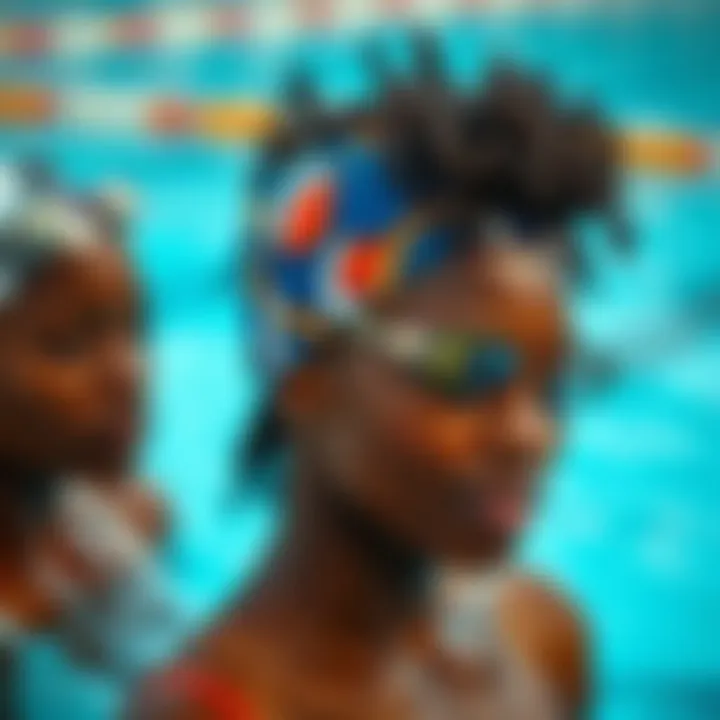
Additionally, if you're someone who enjoys longer swims or practices, looking for breathable materials becomes paramount. Caps with built-in ventilation or moisture-wicking properties might offer more comfort during laps. As a general rule, it helps to reflect on personal swimming habits and select a cap that resonates with individual style and needs.
Styling Options
Choosing a swimming cap is also about style. While function remains essential, the aesthetic aspect shouldn't be overlooked. The market today offers an array of designs and colors, catering to diverse tastes. From vibrant hues to custom prints, the options are endless, allowing swimmers to showcase their personality even while in the water.
Investing time to find the right balance between style and functionality can transform your swimming experience, ensuring you feel as good in the water as you look.
Maintenance and Care
Taking care of a swimming cap, particularly one designed for afro-textured hair, is not just about prolonging its lifespan; it’s about ensuring that the cap continues to serve its purpose effectively. A well-maintained swimming cap allows for a pleasant experience in the water, protects hair from chlorine damage, and ultimately, contributes to the aesthetic appeal of the swimmer. Therefore, understanding the methods and importance of maintaining these caps is crucial.
Cleaning Techniques
Cleaning a swimming cap is a critical practice that can help avoid the build-up of residue from chlorine, saltwater, or sweat, which can affect both hygiene and the cap's lifespan. Here are some recommended techniques:
- Rinse Immediately: After swimming, rinse the cap in cold water right away. This helps remove chlorine or salt that can wear down the material over time.
- Gentle Soap: Use a mild soap or dedicated swimmer's shampoo to clean the cap. Avoid harsh chemicals that can damage the material. Gently rub the surface in a circular motion, paying extra attention to nooks that might trap debris.
- Cold Water Rinse: Follow the soap application with another rinse in cold water. This helps to seal the material, ensuring it remains flexible and effective against future use.
- Air Drying: It’s essential to air dry the cap, preferably in a shady area. Avoid the sun, as exposure can cause fading and material degradation. Hanging the cap inside out can also aid in drying it fully.
"A clean cap isn’t just a happy cap; it’s a cap that stays in shape and is ready for more adventures in the pool!"
Storage Recommendations
Proper storage of a swimming cap is just as important as cleaning it. How you store your cap can significantly impact its durability and functionality:
- Cool Area: Store your cap in a cool, dry place away from direct sunlight. Heat can warp and degrade the material.
- Avoid Creasing: When storing, place the cap in a manner that avoids creasing or folding. Consider using a soft pouch or a box that allows the cap to keep its shape.
- Separate from Other Items: Keep the cap away from other swimming gear, especially sharp objects or items that may snag the cap.
- Regular Checks: Every so often, inspect your cap for any signs of wear and tear. Early detection of small issues can prevent larger problems down the line.
Maintaining and caring for swimming caps designed for afro-textured hair shouldn’t be an afterthought; it is an integral part of the swimming experience. By adhering to these cleaning and storage guidelines, swimmers can ensure not only the longevity of their caps but also a better swimming experience overall.
Future Directions in Cap Design
The exploration of swimming caps specifically designed for afro-textured hair is at a pivotal juncture where innovation meets necessity. This section delves into future directions in cap design, illuminating how thoughtful advancements can cater to both functionality and aesthetics. As the fashion industry evolves, so too must the considerations surrounding swimwear – particularly headgear that embraces diverse hair types. The needs of individuals with afro hair are nuanced, demanding a balance between performance in the water and a reflection of personal identity. Here, we will dissect the importance of innovation in materials and sizing, as well as the incorporation of user feedback as vital components of this design evolution.
Innovation in Materials and Sizing
In recent years, there has been a pronounced shift towards creating swimming caps with advanced materials and tailored sizing options that accommodate various afro hairstyles. Traditional swimming caps often fell short due to their reliance on rigid materials that failed to exist harmoniously with the unique volume and texture of afro hair. Therefore, the future of cap design must prioritize innovative materials that can withstand the rigors of swimming while ensuring comfort and utility.
- Flexible and Breathable Fabrics: Materials like advanced silicone blends or hydrophobic fabrics are paving the way for caps that not only reduce drag in the water but also offer breathability. Caps made from such materials can significantly enhance comfort during lengthy swimming sessions.
- Customizable Sizing: The one-size-fits-all approach is outdated. Manufacturers are exploring options that allow for adjustable caps or multiple sizing choices. This ensures that individuals, regardless of their hair density or length, find a secure fit that doesn’t compromise their hairstyle.
- Thermal Regulation: With innovations in fabric technology, future caps can incorporate thermal regulation properties that help manage temperature. This is particularly beneficial in longer swim sessions where heat can become an issue, thus ensuring that individuals stay comfortable both underwater and during rest periods.
Such advancements make swimming caps not just a functional accessory, but an integral part of the swimmer's experience, enhancing performance without sacrificing personal style.
Incorporating User Feedback
In the quest for an inclusive swimming cap that is both functional and stylish, engaging users in the design process is crucial. Individuals with afro-textured hair possess firsthand experience and insight that can drive meaningful changes in product development. Taking their feedback into account does not just enhance product relevance, but also fosters a sense of community and representation within the swimming sector.
- Surveys and Focus Groups: Conducting regular surveys or engaging focus groups comprised of afro hair users offers companies priceless perspectives on existing shortcomings in swimming cap designs. These insights lead to data-driven decisions in product design, ensuring that the final outcomes meet actual user needs.
- Prototyping and Testing: Before launching new products, brands should consider producing prototypes based on user feedback. Inviting customers to test these prototypes guarantees that the final product is fine-tuned to perfection based on real-world experiences.
- Community Engagement: By creating platforms for dialogue, brands can cultivate a relationship with their users. Listening to their stories about challenges faced in the water not only makes cap design more inclusive but empowers users by validating their experiences and pushing industry standards forward.
Epilogue
In examining the intricate relationship between swimming caps and afro-textured hair, it becomes evident how crucial this topic is within the broader narrative of inclusive fashion. The issues surrounding swimming caps are not merely about function or aesthetics; they act as a microcosm of larger societal themes such as identity, representation, and the evolving understanding of personal expression in various communities.
The journey through the historical and cultural contexts reveals a need for awareness and sensitivity in design. By focusing on specific elements like material innovations and ergonomic design tailored for varied hair textures, manufacturers can better cater to users who have, until recently, felt overlooked in mainstream swimming culture. The benefits of this focus are manifold, including increased participation in water activities by those who identify with afro-textured hair, and fostering a positive relationship with personal appearance while swimming.
Considerations about tomorrow's designs rest on understanding that functionality should meet aesthetics without compromising the integrity of individuals’ hair and cultural significance. By aligning these elements, designers can create products that not only protect hair but also resonate deeply with the cultural expressions of their users.
"Inclusive design is not just good sense; it’s a necessity in this multifaceted world where diversity deserves representation in all realms of life."
Recap of Key Points
- Cultural Relevance: Swim caps serve as a physical representation of broader issues regarding identity and inclusivity.
- Material Innovations: New materials and designs are vital for accommodating the unique needs of afro-textured hair, promoting comfort and functionality.
- User Engagement: Incorporating feedback from real users is essential to creating a product that really serves its purpose.
- Historical Context: Understanding the legacy of swimming within different communities provides insight into current market gaps and opportunities.
Call for Inclusive Design
As we move forward, the call for inclusive design is louder than ever. It’s imperative that designers not only listen to the voices of those they create for, but actively engage with them. This means considering the diverse functionalities required by different hair types, and striving to innovate beyond traditional one-size-fits-all mentalities. Collaboration with users will ensure that the end products are genuinely helpful and respectful of the cultural significance those designs carry. Moreover, educational initiatives that enhance understanding of personal expression in water sports can foster a more welcoming environment for all participants.
In the end, swimming caps that address the unique needs of afro-textured hair represent a step toward a more inclusive approach in fashion, where cultural identity meets aesthetic opportunity, allowing every individual to partake in the joy of swimming without compromise.