
Exploring the Importance and Styles of Oktoberfest Aprons


Intro
The annual celebration of Oktoberfest brings with it not only the echo of clinking beer steins but also the vibrant display of traditional Bavarian attire. At the heart of this attire rests the Oktoberfest apron, a piece of clothing that often goes unnoticed yet plays a significant role in the overall outfit. Designed for both function and flair, these aprons are crafted to blend practicality with the unique cultural heritage of Bavaria. Understanding their significance is key, not only for fashion enthusiasts but for anyone interested in the history and evolution of apparel within cultural contexts.
Fabric Education
Clothing, in its essence, serves to envelop the body—protecting it from the elements while also making statements about identity and culture. The fabric used in Oktoberfest aprons is no exception, showcasing a rich tapestry of texture and tradition.
Understanding Different Fabric Types
When considering the materials that go into these aprons, cotton and linen are often the favored choices. Cotton provides comfort and absorbency, making it practical for long wear. Meanwhile, linen stands out with its breathability, allowing the wearer to stay cool in the bustling atmosphere of the festival.
Less commonly, some aprons might incorporate blends with polyester, enhancing durability while requiring less upkeep. Each fabric presents its own characteristics:
- Cotton: Soft, versatile, and easy to wash. Great for casual wear.
- Linen: Elegant, resilient, and known for its natural luster. Ideal for formal or traditional settings.
- Polyester blends: Functional and robust, often seen in more modern or mass-produced designs.
The Lifecycle of Fabrics: From Production to Disposal
Understanding the lifecycle of these fabrics broadens one's perspective on sustainable fashion.
- Production: The journey starts with raw materials. For instance, cotton is farmed, harvested, and then processed in factories.
- Usage: It reaches consumers in the form of stylish aprons, ready for the festivities.
- Disposal: After their usefulness wanes, many fabrics either end up in landfills or can be recycled if disposed of correctly.
It is vital to consider the environmental impact during each phase. Consumers today are more aware and can make choices that minimize waste and encourage the use of sustainable materials.
Sustainable Practices
The push for sustainable fashion continues to rise, with Oktoberfest aprons being no exception. As more individuals turn their attention toward the ethical implications of their wardrobe choices, one must investigate the eco-friendly options available.
Eco-Friendly Fabrics and Their Benefits
Organic cotton and hemp have emerged as popular alternatives. Organic cotton is cultivated without harmful pesticides, while hemp grows rapidly and requires less water.
The benefits of opting for these sustainable fabrics include:
- Reduced environmental impact from farming practices.
- Support of fair trade and ethical labor practices.
- Enhanced durability and longevity of the garments.
Tips for a Sustainable Wardrobe
Building a sustainable wardrobe goes beyond just purchasing eco-friendly fabrics. Here are some tips to keep in mind:
- Educate Yourself: Know where the fabrics come from and choose brands committed to ethical production.
- Prioritize Quality: Invest in high-quality pieces that are made to last, reducing the need for frequent replacements.
- Upcycle and Recycle: Instead of tossing out old attire, consider upcycling or donating to extend the lifespan of textiles.
"Fashion should be fun, but it doesn’t have to come at the expense of our planet."
Embracing sustainability is not just a trend; it’s a necessity. By choosing Oktoberfest aprons made from eco-conscious materials, individuals contribute to a broader shift towards a greener world.
Understanding the nuances of fabric choices and embracing sustainable practices empowers the fashion-savvy to appreciate not just the aesthetics of Oktoberfest aprons but the stories they tell through their materials. The journey from production to disposal is a critical aspect of the conversation, ultimately shaping the very fabric of our society.
Understanding Oktoberfest Aprons
Oktoberfest aprons, often seen adorning the waistlines of servers and festival-goers alike, hold more than just aesthetic appeal. These garments, steeped in tradition, are symbols of Bavarian culture and hospitality. They offer a glimpse into the lifestyle and values of the communities that celebrate Oktoberfest. Understanding the essence and significance of these aprons is crucial for anyone looking to appreciate the festival's rich heritage fully.
These aprons are not merely functional items; they embody a connection to history, artistry, and social practices that defined, and continue to define, Bavarian spirit. A well-crafted apron can serve as a conversation starter, allowing wearers to share stories of tradition while also showcasing their personal flair. The interplay of design, materials, and cultural background makes each apron unique, setting the stage for discussions about sustainability, fashion trends, and local craftsmanship.
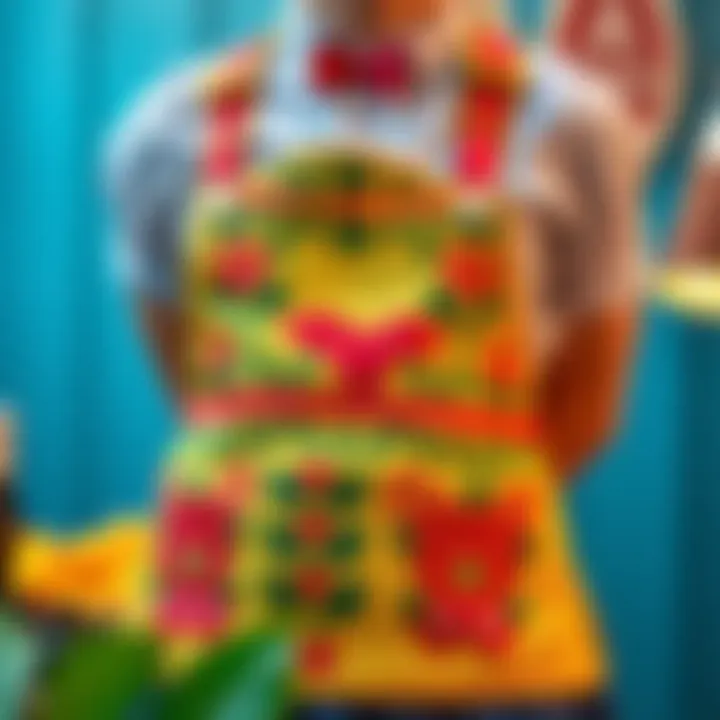
In today’s fashion landscape, where sustainability is paramount, the Oktoberfest apron represents an exciting fusion of tradition and modern thinking. They are often crafted from local materials, emphasizing regional artistry and the importance of supporting local artisans. Knowing the stories behind these aprons not only enhances the experience at Oktoberfest but also helps to foster appreciation for the craft and the cultural heritage it represents.
Historical Background
The origins of Oktoberfest aprons trace back to the early 19th century, coinciding with the first Oktoberfest celebrated in Munich in 1810. What initially started as a royal wedding celebration turned into an annual festival that mirrors the Bavarian way of life. The traditional apron, or "Lederhosen" for men, and "Dirndl" for women, serve to both showcase the wearer's identity and adhere to the social norms of the festival.
Historically, these aprons were designed for practical use. They safeguarded clothing underneath while also providing convenience for those serving food and drinks. The practicalities were crucial in an era where water and soap were less accessible, making the apron a vital garment for everyday activities. Gradually, these practical items transformed into symbols of regional pride, becoming decorative with vibrant colors and intricate patterns that communicate local stories and heritage.
"Each stitch and color in a traditional Oktoberfest apron tells a story, blending the past with the present in one beautiful garment."
Cultural Significance
Oktoberfest aprons go well beyond mere clothing items; they are cultural artifacts that reflect the values and traditions of Bavarian society. Their vibrant colors and elaborate designs represent not just personal style but signify community and festivity. Wearing a Dirndl or Lederhosen during the festival fosters a sense of belonging, creating a tangible connection between individuals and their heritage.
These aprons often include motifs that are rich in symbolism; flowers, hearts, and animals can convey specific messages about identity, profession, or even marital status. In many ways, the apron serves as a canvas of cultural expression, allowing the wearer to communicate personal and collective narratives without uttering a word.
In contemporary settings, the revival and appreciation of these aprons highlight the growing interest in sustainable fashion practices. By promoting local craftsmanship and drawing from traditional designs, today's iterations of Oktoberfest aprons uphold the values of ecological responsibility while engaging younger generations in cultural celebrations. The apron's ability to adapt and remain significant in modern fashion circles showcases its enduring appeal and relevance.
In sum, the Oktoberfest apron is a multifaceted garment that carries not just practical implications but also deep cultural significance, creating bonds across generations and reinforcing the social fabric of the festival.
Key Characteristics of Oktoberfest Aprons
Understanding the key characteristics of Oktoberfest aprons is crucial in appreciating both their function and their beauty. These aprons don't just serve to attire; they symbolize a rich tradition deeply rooted in Bavarian culture. Whether you’re exploring their materials or design, each aspect contributes to the overall aesthetic and utility of the apron.
Materials Used
Traditional Fabrics
When you think of traditional fabrics, your mind might wander to heavy cottons and durable linens. These materials have graced Oktoberfest aprons for ages. One major aspect of traditional fabrics is their durability. Fabrics like tweed and hessian retain their form even after numerous washes, which makes them favored for outdoor festivals like Oktoberfest. Moreover, these materials are relatively resistant to spills, which bodes well when serving food and drinks.
However, heavy textiles can sometimes feel stiff and may lack breathability, although they often carry a unique charm. Their texture can evoke a sense of nostalgia, connecting the wearer to generations past. Using these fabrics pays homage to the craftsmanship of earlier artisans, ensuring that the rich history of Oktoberfest wear continues.
Sustainable Options
As the fashion world becomes increasingly aware of the need for sustainability, many are turning to eco-friendly materials in Oktoberfest aprons. Fabrics like organic cotton, linen, and even bamboo are paving their way into modern designs. The primary advantage of sustainable options is their reduced environmental impact; they are often produced using less water and fewer harmful pesticides.
However, while eco-friendly fabrics are gaining popularity, some may argue they don't always uphold the same durability as traditional fabrics. Regardless, their softer nature and comfort level often make up for it. Using sustainable options reflects a growing trend towards ethical fashion, appealing to modern sensibilities as well as environmental consciousness.
Design Elements
Color Schemes
Color schemes play a pivotal role in defining the character of an Oktoberfest apron. Typically spotted in classic hues of blue, green, and sometimes even red, these color choices reflect the vibrant atmosphere of the festival itself. Such palettes can create a joyful, inviting impression, perfect for the festivity's communal spirit.
A unique feature of these colors is their flexibility; they can easily be paired with various outfits. This versatility ensures the apron remains stylish regardless of the changes in fashion. However, while bright colors can evoke enthusiasm, they might not appeal to those who prefer a more subdued look. Still, incorporating lively hues in the design can significantly enhance the visual experience at Oktoberfest.
Embellishments
Embroidery, lace trim, and intricate patterns serve as embellishments that add flair to Oktoberfest aprons. These decorative elements are not mere aesthetics; they contribute to the storytelling aspect of the garment. For instance, specific motifs may signify regional origin or represent Bavarian folklore, creating a narrative right on the fabric.
One compelling feature of embellishments is their ability to elevate an otherwise simple apron to a statement piece. Yet, meticulous detailing can sometimes lead to increased production costs, which might not sit well for budget-conscious buyers. But for many, the added artistry is worth every penny, making these aprons stand out in a crowd.
"An apron is not just for cooking; it’s a canvas of culture and history told through fabric and design."
Understanding the key characteristics of Oktoberfest aprons provides a deeper appreciation for them. The thoughtful choices in materials and design elements speak volumes about their purpose and significance, merging practicality with a dash of cultural pride.


Styling Oktoberfest Aprons
The topic of styling Oktoberfest aprons holds significant importance in our understanding of traditional Bavarian attire, but it also sheds light on how these garments can be adapted for contemporary fashion choices. Oktoberfest aprons are not merely ornamental; they encapsulate a rich history while serving practical purposes at festivities. By exploring how these aprons can be paired with both traditional and modern attire, we can appreciate their versatility and significance in today’s wardrobes. It’s about more than just looks, it’s about culture and functionality, wrapped up in a fabric that tells a story.
Pairing with Traditional Attire
Dirndls for Women
Dirndls represent one of the most iconic pieces in women's traditional Bavarian clothing. The incorporation of an apron into a dirndl ensemble is essential, as it not only completes the outfit but also adds a layer of authenticity. A dirndl apron often comes in vibrant colors and unique patterns—these standout features contribute greatly to the overall aesthetic.
The practical advantage of wearing a dirndl with an apron is significant; the apron can be used for various tasks, such as holding items while serving or carrying snacks during festivities. Furthermore, the apron can also indicate social status or marital availability when tied in certain ways, giving it a deeper cultural relevance. In essence, choosing a dirndl with a well-styled apron makes for a striking yet functional choice, blending heritage with practicality.
Lederhosen for Men
Lederhosen are the male counterpart in the world of traditional Bavarian attire, characterized by their rugged leather construction and intricate designs. When it comes to Oktoberfest, pairing lederhosen with an apron elevates the look, adding both style and a functional element. The apron for men is typically less ornate compared to the women's, often designed for utility rather than embellishment.
This provides a practical solution for men, ensuring comfort and ease while enjoying the festivities. Besides, the integration of an apron with lederhosen allows for easy access to pockets, enhancing mobility while carrying essentials. Therefore, opting for lederhosen and an apron represents a move toward a stylish yet down-to-earth ensemble—never a dull choice to take on Oktoberfest.
Modern Interpretations
Casual Wear Integrations
Contemporary fashion has embraced the styling of Oktoberfest aprons, integrating them into everyday casual wear. This is where the fusion of cultures occurs, taking traditional forms and recontextualizing them for modern settings. One key characteristic of this trend is the focus on comfort: casual wear integrations often prioritize relaxed silhouettes. For example, pairing a lightweight apron over t-shirts and denim can create a look that is both relaxed and festival-ready. Additionally, the vibrant prints of Oktoberfest aprons can bring a splash of color to any casual outfit, leaving a touch of culture in everyday life. The advantage here is versatility; casual wear aprons can be dressed up or down depending on the occasion.
Chic Festival Styles
Chic festival styles center around presenting Oktoberfest aprons in a more styled and curated environment, often seen on runways and in fashion magazines. This approach takes the traditional apron and combines it with modern high-fashion elements. Designers experiment with luxurious fabrics, unique cuts, and bold prints, pushing the boundary of Oktoberfest attire to create stunning visual statements. The edgy interpretations of these aprons allow fashion enthusiasts to express individuality while still honoring tradition. Advantages of this chic approach include the ability to stand out in a crowd while staying connected to cultural roots. However, one possible disadvantage is that while chic styles attract attention, they may stray from the practical aspects of the original design. But for those seeking to make a memorable impression at festivals, this modern twist aligns beautifully with the festive spirit.
Functionality of Oktoberfest Aprons
The functionality of Oktoberfest aprons goes beyond mere style; it’s about practicality and cultural expression. In the bustling atmosphere of Oktoberfest, these aprons play vital roles for both wearers and the experience of festival-goers. They are designed to enhance the traditional attire while providing practical benefits that align with the festive setting. Understanding their functionality gives insight into their importance and purpose.
Practical Uses
Serving Functions
Oktoberfest aprons are often worn by servers at the festival, allowing for easy mobility while managing food and beverages. With generous pocket space, these aprons provide a convenient way to carry items. One key characteristic of serving functions is the selection of durable fabrics, which withstand spills and wear. This quality makes aprons a popular choice for those working long hours during the festivities. The unique feature of the deep pockets not only aids in carrying glasses and snacks, but also helps maintain a level of organization amidst the chaos of service. This aspect is particularly advantageous as it reduces the chances of mishaps, like dropping a glass or spilling food.
Storage Solutions
The storage capabilities of Oktoberfest aprons are tailored to meet the needs of both servers and revelers alike. Many designs incorporate various pocket sizes, allowing for a range of items to be stored, from menus to personal items. This aspect is vital for enhancing the wearer's experience, enabling them to keep essentials close at hand while enjoying the festival atmosphere. A key benefit of storage solutions is their ability to keep hands free, which is crucial for navigating through crowds or serving guests efficiently.
On the flip side, not all designs offer the same level of functionality. Some aprons may focus more on aesthetics, leading to fewer pockets, which can be a disadvantage for those needing to carry multiple items. Balancing functionality and style remains essential to retain the true spirit of Oktoberfest.
Symbol of Hospitality
The apron also serves as a symbol of hospitality, reflecting the friendly Bavarian culture. Wearing an apron in this context is more than a fashion statement; it represents an invitation for guests to indulge in Bavarian traditions. This warm gesture contributes to the overall ambiance of Oktoberfest, making it an essential item in promoting a welcoming environment.
Ethics and Sustainability in Production
As the fashion world turns its eye toward more responsible practices, the significance of ethics and sustainability in the production of Oktoberfest aprons cannot be overstated. Often glamorized as merely festive attire, these pieces play a crucial role in supporting ethical production methods and fostering sustainable practices. From the selection of materials to the artisans who craft these garments, every step of the process matters. Embracing these principles not only elevates the quality of the product but also shapes the future of the fashion industry as a whole.
Sourcing Ethical Materials
Sourcing ethical materials is a pillar of sustainable fashion, and Oktoberfest aprons are no exception. There’s a growing demand for fabrics that are not just visually appealing but also environmentally friendly. For instance, organic cotton has gained traction for its low impact on the planet. It’s grown without harmful chemicals and requires less water. Then there’s linen, known for its durability and biodegradability; it’s a fine choice for those who appreciate longevity in their clothing.
Benefits of using ethical materials include:
- Reduced environmental impact: Choosing materials like hemp or Tencel can lessen the carbon footprint dramatically.
- Support for sustainable farming: Fair-trade practices ensure that farmers receive a fair wage.
- Healthier options for consumers: Fabrics free from toxic chemicals are better for skin health and overall well-being.


More brands are now exploring recycled materials as well, like upcycled polyester from plastic waste. This not only keeps waste from landfills but also showcases a commitment to innovative solutions in textile production.
Supporting Local Artisans
Supporting local artisans holds immense value within the landscape of Oktoberfest apron production. Artisans pour their heart and soul into their craft, often using centuries-old techniques that celebrate cultural heritage. By choosing to commission these individuals or small workshops, companies can offer handmade products that carry a story and bespoke quality.
The benefits of this support include:
- Cultural Preservation: As global brands proliferate, local crafting traditions can easily fall by the wayside. By investing in local artisans, we help preserve these unique arts and traditions.
- Economic Boost to Local Communities: When artisans thrive, so do their communities. Every purchase can contribute to local economies, offering better livelihoods.
- Unique Designs: Handmade aprons often feature designs that reflect the community’s heritage and creativity, standing in stark contrast to mass-produced clothing.
"Investing in local artisans not only enhances the uniqueness of Oktoberfest aprons but also strengthens bonds within communities."
For those interested in the roots of this approach, articles by organizations such as Fashion Revolution and Greenpeace provide further insights into sustainable practices in fashion.
Market Trends and Future Outlook
Understanding the market trends surrounding Oktoberfest aprons provides a significant glimpse into both the cultural and economic elements shaping this unique piece of attire. With an ever-growing appreciation for traditional craftsmanship and sustainable fashion, aprons worn during this lively festival have transcended mere functional wear, becoming symbols of cultural celebration and personal expression. Their rising global popularity not only reflects a shift in consumer tastes but also suggests a renewed interest in heritage and craftsmanship among fashion enthusiasts and designers alike.
Rising Popularity Globally
In recent years, the global interest in Oktoberfest aprons has witnessed a marked uptick. Much of this can be attributed to the festival's expanding footprint beyond its Bavarian roots. Countries across the world have begun hosting their own Oktoberfest celebrations, which in turn fuels the demand for authentic attire. In the United States, for example, regions with a strong German heritage have seen a surge in Oktoberfest events, which directly results in a booming market for these traditional garments.
Beyond the festivals, social media has played an instrumental role in promoting these aprons as fashion statements. Platforms like Instagram and Pinterest are brimming with posts showcasing unique styles and personal interpretations, inspiring individuals to embrace these garments not just for cultural festivals, but as part of their everyday wardrobe. This phenomenon suggests that Oktoberfest aprons are no longer just for the beer halls; they’ve made their way into a broader fashion conversation.
- Global Oktoberfest events are expected to increase participation rates, expanding the audience for traditional attire.
- Social media keeps the aesthetic alive, bridging the gap between tradition and contemporary style.
- Iconic fashion influencers have helped elevate Oktoberfest aprons to full-on fashion icons, making them a stylish choice.
The trend is also evident in the way businesses are adapting. Many brands have started releasing limited-edition styles that cater to a diverse range of consumers, blending classic designs with modern aesthetics. This not only caters to traditionalists but also attracts younger generations looking for a trendy yet cultural piece of clothing.
Innovations in Design
As the market evolves, so does the design of Oktoberfest aprons. The focus has shifted from solely preserving traditional styles to incorporating innovative elements that resonate with modern sensibilities. Designers are experimenting with various fabrics, patterns, and colors, drawing inspiration from both history and contemporary fashion.
- Sustainable Fabrics: Many brands now prioritize eco-friendly materials, offering aprons made from organic cotton or recycled textiles.
- Versatile Patterns: Beyond the standard checks and floral designs, innovative prints are emerging—think abstract motifs or minimalist styles that cater to a younger audience.
- Functional Additions: Features like adjustable straps or pockets designed for carrying small items aim to enhance usability while maintaining style.
Furthermore, technological advancements in textile manufacturing are allowing for more creativity. Digital printing techniques enable intricate designs to be executed without the high labor costs traditionally associated with garment production.
"The evolution of Oktoberfest aprons reflects a broader trend within the fashion industry, where innovation meets tradition, creating a dynamic marketplace for both casual wear and cultural attire."
As we look to the future, the fusion of traditional craftsmanship with modern-day expectations suggests that the market for Oktoberfest aprons will only continue to grow. By embracing sustainability, contemporary design elements, and a spirited cultural narrative, these aprons are poised to remain relevant and beloved in wardrobes around the globe.
Epilogue
In wrapping up our exploration of Oktoberfest aprons, it’s clear that these garments weave together threads of history, culture, and functionality. The apron is more than just an accessory at beer festivals; it represents the pride and heritage of Bavaria. Understanding its significance enhances one’s appreciation for the craftsmanship involved and the role these pieces play on such a grand cultural stage.
Cultural Junction
The significance of Oktoberfest aprons can be examined through their cultural impact. They are an emblem of tradition, reflecting the vibrancy of Bavarian culture. By wearing these aprons, individuals celebrate not only the festival itself but also the values and community spirit that accompany it. It’s worth noting how these aprons evolve; they adapt to modern interpretations while still holding tight to their roots.
Functional Elegance
From a practical standpoint, the apron serves vital functions, such as utility in serving food and beverages. It carries a story of hospitality, as the wearer often interacts with guests, creating memorable experiences. The design ensures that while they’re functional, they also contribute to aesthetic appeal, demonstrating that practicality need not come at the cost of style.
Embracing Innovation
Moreover, as we discussed previously, sustainability in the production of these aprons has increasingly come to the forefront. Fashion conscious individuals today care about the origins of their garments. By choosing ethically sourced materials, they champion local artisans, which not only preserves craftsmanship but also supports community economies. This modern aspect transforms the way we view tradition, merging old with new in a seamless flow.
Final Thoughts
To sum it up, Oktoberfest aprons hold a multifaceted significance that extends beyond mere fabric and stitches. They encapsulate a portion of Bavarian identity, show the evolution of fashion, and emphasize the importance of ethical production practices in today’s marketplace. Whether you’re a designer, a cultural enthusiast, or just someone passionate about fashion, recognizing the depth behind these aprons adds layers of meaning to your gaze. An appreciation for their artistry and function allows us to engage more thoughtfully with the traditions they represent.
As the saying goes, "clothes make the man," but in the case of Oktoberfest, they also tell a story. Each apron is a testament to the rich tapestry of cultural expression, uniting both past and present under one festive banner.