The Role of Free Form Rugs in Modern Interiors
Intro
In the realm of interior design, the choices we make about the items that fill our spaces reflect our personality, our values, and our sense of style. Among these choices, free form rugs stand out as significant contributors to the overall aesthetic and functionality of a room. Unlike traditional, rectangular rugs, free form options offer an expressive and organic vibe, inviting creativity and individuality into modern interiors.
The attraction of these rugs goes beyond their shapes. They can serve multiple purposes, blending seamlessly into various design styles, from minimalist and bohemian to industrial and contemporary settings.
Here, we'll dive into the fascinating world of free form rugs, exploring their aesthetic appeal, their functional roles, and the cultural implications they carry in today's interior landscape. The journey will provide valuable insights for both design enthusiasts and professionals seeking to incorporate this unique element into their spaces.
Fabric Education
Understanding Different Fabric Types
Choosing the right material for a free form rug can be a daunting task, especially with such varied options available. From wool to jute to synthetic fibers, each fabric type has its unique qualities, strengths, and weaknesses. Understanding these differences is crucial.
- Wool: Renowned for its durability and softness, wool is a natural insulator, making it perfect for adding warmth to a space. It's also resilient, which means it can handle foot traffic and a bit of mess.
- Jute: This natural fiber is favored for its earthy aesthetic and eco-friendliness. Jute rugs can offer a textural contrast against sleek furniture while being easy to maintain.
- Synthetic Fibers: Often more affordable, synthetic rugs, like those made from polyester or nylon, can resist stains and fade, making them suitable for high-traffic areas.
Knowing these materials helps in selecting a rug that not only matches the decor but serves functional needs.
The Lifecycle of Fabrics: From Production to Disposal
Every rug tells a story, starting from the moment its fabric is produced. It’s essential to understand that the journey of these rugs impacts both the environment and the consumer.
- Production: Most fabrics require significant resources, from water consumption to energy use. Some companies are now investing in sustainable practices that prioritize eco-friendliness, trying to lessen their environmental footprint.
- Distribution: Once made, rugs travel through various channels before reaching consumers. The distances covered, and the methods used for transport further add to their environmental impact.
- End of Life: Eventually, every rug reaches its end. In a world increasingly concerned with sustainability, it’s vital to consider how to dispose of these items responsibly.
“Every aspect of a rug's lifecycle matters, from creation to disposal. The choices we make ripple through the environment.”
Taking these factors into account can foster more informed decisions, ultimately aligning with a sustainable approach to interior design.
The Cultural Significance of Free Form Rugs
Free form rugs also carry deep cultural meanings, often reflecting artistic expressions from different regions and communities. These rugs can evoke memories, stories, or traditions, connecting us to our roots while enhancing the aesthetic of a modern space.
In accumulating free form rugs, one may find a blend of various cultures, creating a unique narrative within their home. They can serve as conversation starters, inviting guests to share their interpretations of the artwork woven into their fibers. Thus, the cultural significance of these rugs extends beyond mere aesthetics; they contribute to a narrative that resonates with the soul of the home.
As we delve deeper, we will explore the various styles where free form rugs find their place, along with tips for selection and care that ensure their longevity and beauty within your spaces.
Prolusion to Free Form Rugs
Free form rugs have emerged as a notable trend in the landscape of modern interior design. These rugs diverge from traditional shapes and structures, breaking the mold to introduce a fresh aesthetic that reshapes how spaces are perceived. Their significance goes beyond mere decoration; they serve as functional art pieces that contribute to the overall ambiance of any room.
In this section, we will explore several impactful aspects of free form rugs: their unique characteristics, the evolving role they play in contemporary interiors, and the myriad benefits they bring. Finding that perfect rug can indeed elevate a living space, offering warmth, style, and personality.
Defining Free Form Rugs
Free form rugs do not adhere to standardized dimensions and shapes. Unlike conventional rectangular or round rugs, these pieces embrace irregular shapes that break traditional boundaries. They can be organic and abstract, resembling natural formations like stones or flowing rivers, or they might present geometric configurations that are entirely innovative.
This freedom in design allows for a myriad of creative expressions. Homeowners can choose rugs that harmonize with their décor while also making bold statements—adding layers of interest to a room. Creators of these rugs often play with scale, color, and texture, resulting in pieces that often defy categorizations.
The essence of free form rugs lies in their ability to adapt to diverse environments, making them suitable for cozy corners, expansive living rooms, or even entryways. They encourage a free-spirited approach to design, inviting a sense of playfulness while still being functional.
Historical Origins
The historical roots of free form rugs can be traced back when artisans began to weave unique creations that echoed their surroundings. In ancient times, many cultures utilized unconventional shapes to reflect elements of their environment—mountains, rivers, and other natural formations found their way into textile designs.
For instance, nomadic tribes often crafted rugs that reflected their individual journeys. These rugs featured various patterns and colors indicative of their travels and cultural influences. As a result, the roots of free form designs can often be linked back to the narratives of those who created them.
In the modern age, as designers drew inspiration from these traditions, free form rugs gained popularity, influenced by movements within the fine arts. The influence of abstract art and the push for individual expressions in interior environments have created a space where free form rugs can thrive, providing a design opportunity that marries utility with artistic flair.
"Free form rugs provide not just comfort underfoot, but a canvas for personal expression, taking a room from mundane to magnificent."
In summary, understanding what free form rugs are and where they come from helps to appreciate their place in modern interior design. As we navigate this journey through the various aspects of free form rugs, we will uncover their aesthetic appeal, functional aspects, cultural significance, and much more as they continue to resonate with the discerning tastes of today’s design-savvy individuals.
The Aesthetic Appeal of Free Form Rugs
The appeal of free form rugs transcends mere functionality, reaching deep into the very heart of aesthetic expression in interior design. In recent years, these unconventional floor coverings have emerged as a pivotal element, allowing individuals to communicate their personal style while enriching their living spaces. Whether a modest studio apartment or a grand estate, these rugs can become the centerpiece that ties various design elements together. Their influence extends beyond mere decoration; it embodies creativity, innovation, and a touch of artistic flair that many modern interiors crave.
Color and Pattern Variations

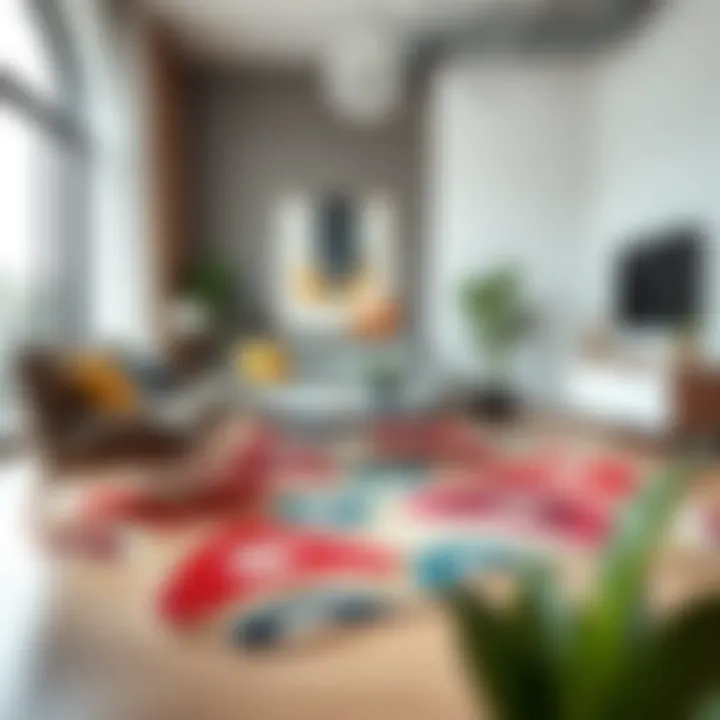
When it comes to free form rugs, color plays a huge role in establishing mood and atmosphere. The beauty lies in the diverse palette available – from bold, vibrant hues that shout for attention to subtle, muted shades that whisper elegance. Choosing the right colors can truly transform a space. Bright reds and blues can invigorate a room, making it feel lively and welcoming, whereas soft pastels often create a serene, calming vibe.
Patterns, too, add to the allure. It’s not uncommon to see geometric designs that echo modern furniture lines or organic shapes that bring nature indoors. Some rugs feature intricate designs reminiscent of traditional artistry, while others might showcase minimalist motifs that align perfectly with contemporary sensibilities.
For example, a circular rug may break the sharp lines of a square room, softening the overall design. A patchwork pattern can bring an eclectic feel that tells a story of diverse influences. Avoiding the ordinary, these variations can appeal uniquely to different people while enabling a seamless blend with existing décor.
As you consider your options, think about how certain colors and patterns might reflect your personality and values. This conscious selection process leads to spaces that feel not just designed, but lived in.
"The right rug can elevate an entire room, merging style with comfort in an exquisite embrace that enhances every element around it."
Texture and Material Considerations
Texture is another crucial aspect of free form rugs that heavily impacts their aesthetic appeal. The touch and feel can change the atmosphere in a room. Luxurious fabrics like silk and wool offer softness, inviting one to walk barefoot and experience their warmth. On the other hand, natural fibers such as jute or sisal bring a rugged, organic quality that resonates with eco-conscious designs.
When selecting a rug, consider how its texture interacts with other surfaces in the room. For instance, a plush shag rug can create a charming contrast against sleek hardwood floors, adding a tactile layer to the environment. Similarly, a flatwoven rug may serve as an understated base, allowing bolder colors and patterns from surrounding items to take center stage.
Additionally, the durability of materials plays a pivotal role in functionality. High-traffic areas may benefit from synthetic blends that withstand wear, while more intimate settings might call for delicate fabrics that allure more through their visual richness than their resilience. Choosing the right material not only fulfills aesthetic desires but also aligns with practical needs, ensuring that the rug enhances the space over time.
By thoughtfully considering both color and texture, individuals can curate their environments to exude personal flair and invite connection. The journey to finding the right free form rug can be seen as an adventure in self-expression, where each choice contributes to the overall story that the space tells.
Functional Aspects of Free Form Rugs
The world of interior design is not solely aesthetic; it merges beauty with function. Free form rugs play a pivotal role in this balance. They offer a variety of benefits that enhance the functional aspects of a space, marrying practicality with artistic expression. When considering free form rugs, their ability to redefine a room cannot be overstated. They can unify disparate elements within a space, accentuate key design features, and foster comfort, all while serving as a statement piece in its own right.
Enhancing Space and Environment
In the realm of modern interior design, free form rugs stand out for their capacity to enhance spatial dynamics. These rugs, with their unique shapes and sizes, can change the perception of a room dramatically. For instance, a large, circular rug placed in a living area can soften the harsh lines framed by walls and furniture, offering an air of fluidity that invites engagement.
- Creating Zones: One effective use of free form rugs is to delineate different areas within a room. Imagine a spacious loft where the dining area flows into the living space. A free form rug could subtly define the dining section, creating an inviting atmosphere for dining without the need for physical barriers. This enhances movement and functionality.
- Enhancing Acoustics: Additionally, these rugs can improve the acoustics of a space. Hard surfaces like wood or tile can make for an echo-heavy environment. By incorporating a thick free form rug, the sound travels differently, softening the auditory experience. This can be particularly beneficial in rooms tailored for entertaining or gatherings.
Practical Uses Beyond Aesthetics
Free form rugs transcend mere decoration; their practical aspects are noteworthy as well. They serve multiple purposes that cater to the needs of everyday life.
- Comfort and Warmth: On a cold winter’s day, there's nothing quite like the feel of a warm rug underfoot. A plush free form rug can add significant warmth and softness to a space, making it more inviting. This comfort can be essential in places where people tend to gather, like a family room.
- Safety Features: Safety is another practical consideration. In homes with young children, free form rugs can provide a soft landing for little ones who are just learning to walk. Additionally, they can minimize slips and falls if adequately placed over slippery floors.
- Versatility in Care: When it comes to upkeep, free form rugs often require different maintenance depending on the material. For instance, natural fibers might need more attention, while synthetic options could withstand more wear and tear. Knowing the right cleaning techniques is crucial for longevity.
Aspects like these highlight that free form rugs are not just beautiful—they're a voice of practicality that echoes through every well-designed space. They can transform not only the style of a room but also the way people interact with it. The benefits swing both ways—customers enjoy the beauty, while designers appreciate the layers of functionality that free form rugs provide.
"The right rug can make or break a space; it's the unsung hero of interior design."
By understanding how free form rugs enhance both the environment and functionality of a space, designers can better cater to clients who desire a harmonious balance between aesthetics and utility.
Integrating Free Form Rugs into Different Design Styles
In today's dynamic world of interior design, free form rugs have carved out a significant niche, bridging various styles and enhancing diverse spaces. Their integration across design paradigms offers not just visual appeal but also immense versatility. As such, understanding how to skillfully incorporate these rugs into distinct styles can elevate any interior, adding character and depth to the environment.
Contemporary and Minimalist Settings
Contemporary design often embraces clean lines and a sense of openness. Free form rugs introduce an unexpected twist amidst the structured aesthetic, creating a focal point that draws the eye without overwhelming the senses. In minimalist spaces, the use of a large, amorphous rug can soften the starkness while still maintaining the principles of simplicity.
Some important elements to consider when integrating free form rugs in contemporary and minimalist settings include:
- Color Palette: Opting for a subtle color that complements the existing hues in the space is vital. Neutral tones like soft grays or muted earth shades often work wonders, allowing the rug to blend seamlessly into the room while still making a statement.
- Texture: The tactile quality can significantly impact a minimalist room. A rug with varied textures can enrich an otherwise smooth and glossy environment, providing sensory contrast.
As one expert noted,
"A free form rug has the power to redefine how a space is perceived, offering a comfortable touch against a rigid backdrop."
By selecting a rug that melds with the overall aesthetic while also straying from convention, you create a unique atmosphere that invites both comfort and curiosity.
Bohemian and Eclectic Interiors
Bohemian design thrives on individuality and eclecticism, embodying a free-spirited approach to decorating. Free form rugs fit perfectly into this setting, allowing for creative expression and the layering of various elements.
To successfully integrate free form rugs into these vibrant settings, consider the following aspects:
- Bold Patterns: A rug with bright colors and intricate patterns can serve as the anchor for the room, harmonizing with an array of textural fabrics and art pieces scattered throughout.
- Layering: In bohemian interiors, layering is key. Layering rugs can add depth and intrigue. Imagine a large free form rug laid beneath a smaller geometric or tribal-patterned rug. This creates a tapestry of style that invites the eye to wander.
In such settings, the free form rug acts as a canvas, absorbing the hues from neighboring cushions, curtains, and art, helping to create a cohesive yet highly personalized space.

Cultural Significance of Free Form Rugs
In today's world of interior design, the cultural significance of free form rugs extends beyond mere decoration. They act as storytellers, weaving narratives from different times and places into our living spaces. This section explores how these rugs not only serve functional roles but also enrich our homes with layers of cultural meaning.
Symbolism in Rug Design
Free form rugs are not simply decorative elements; they're often imbued with deep symbolic meaning. For example, in many cultures, specific patterns and colors convey messages or signify important events. Take the Persian rugs, which possess intricate designs often interpreted as a reflection of the life journey of the weaver. Similarly, Navajo rugs feature symbols representing nature, spirituality, and personal history. This element of storytelling makes each rug unique, carrying distinct meanings that resonate with the spaces they inhabit.
- Colors and Patterns: Each shade and motif can embody various emotions and cultural messages. Blue might symbolize tranquility, while bold reds may represent strength and passion.
- Personal Connection: Many people choose rugs not just for aesthetics but as a reflection of their identity and heritage.
These symbolic attributes contribute significantly to the depth and personality of modern interiors, inviting deeper connections between individuals and their spaces.
Regional Variations and Influences
Free form rugs exhibit distinctive variations influenced by regional styles and traditions. Different parts of the world produce rugs that not only reflect local aesthetics but also incorporate cultural practices. For example, Scandinavian rugs are often celebrated for their minimalist designs and organic forms, echoing the natural landscapes of their regions. Conversely, the vibrant, geometric patterns of Moroccan rugs showcase the country's rich artistic legacy and craftsmanship.
- Middle Eastern Rugs: Known for their rich histories, these rugs often exemplify intricate craftsmanship infused with local folklore.
- Asian Textiles: Chinese rugs may feature themes of nature, showcasing delicate floral designs or animals, emphasizing a connection with harmony and prosperity.
- Western Influence: In more contemporary settings, free form rugs can blend various styles, such as the combination of tribal motifs with modern artistic touches. This fusion often reflects the blend of global cultures in urban living spaces.
By realizing these regional influences, we appreciate how free form rugs serve as cultural artifacts, promoting a rich tapestry of personal stories and collective histories within modern design settings.
"Rugs are not just floor coverings; they are pieces of art with stories waiting to be told."
In summary, the cultural significance of free form rugs ties together the emotional, symbolic, and historical dimensions that enrich our understanding of home decor. Through various design narratives and regional influences, they play a crucial role in defining contemporary interior aesthetics.
Selecting the Right Free Form Rug
Selecting the right free form rug is a crucial element in the interior design process. It can make or break the overall aesthetic and functionality of a space. These rugs are not merely decorative pieces; they contribute to the room's ambiance and can often serve as the focal point. Thus, understanding the right elements to consider when choosing a free form rug is fundamental for any design enthusiast or professional looking to refine their space.
Assessing Space and Size
When it comes to free form rugs, the size and shape of the area where the rug will reside are paramount. It is not just about fitting a rug; it is about how it interacts with everything around it. You might have a sprawling living room with a cozy nook that begs for a unique rug, or a small bedroom needing a touch of style. Either way, the dimensions and layout of the space define your options.
- Measurements Matter: Start by measuring your space thoroughly. Consider both the length and width, and even the height of furniture that will be touching the rug. In rooms with open layouts, a larger rug can help define spaces, while a smaller rug can add character to nooks.
- Shape Considerations: Unlike traditional rectangular rugs, free form rugs might come in organic shapes like waves or abstract designs. Look closely at how these shapes complement your furniture and decor. For instance, a circular rug might soften sharp edges in a room filled with angular furniture.
- Visual Effects: The right size can enhance or visually enlarge a space. A well-placed rug can trick the eyes into seeing a room as more spacious or inviting. This choice directly impacts not just the comfort, but the overall flow of the room.
Understanding Personal Style and Needs
Selecting a free form rug is also about understanding your personal style and the needs of your space. This aspect goes hand-in-hand with assessing the ego and personality that you want your room to project. Here are a few thoughts to consider:
- Individual Style: We all have different tastes. Some people lean towards minimalist designs, while others may prefer a bohemian feel. Choose a rug that resonates with your aesthetics. If you love the serenity of nature, opt for earthy tones and irregular patterns. On the flip side, if you favor modern chic, consider bold colors and geometrical forms.
- Lifestyle Factors: Think about practicality. If you have children or pets, durability and ease of cleaning become crucial. Natural fiber rugs tend to be more durable and retain their beauty despite heavy foot traffic. For a more elegant setting that is still family-friendly, synthetic options are also available which mimic the look of finer materials without the upkeep.
- Comfort Over Everything: It’s also important to think about comfort. The rug should not only look good but feel good underfoot. If your rug will be placed in a high-traffic area, consider textures that add warmth and coziness while providing adequate support. Nobody wants to feel like they’re walking on ice!
"The right rug can change the vibe of a room, making it feel more inviting and complete."
By carefully assessing your space and understanding your personal style, you can confidently select a free form rug that not only fits well but also enhances the overall decor and feel of your environment. This thoughtful approach ensures that your choice is not just a surface enhancement but a deeply integrated aspect of your interior design.
Care and Maintenance of Free Form Rugs
Caring for free form rugs is not just about keeping them looking good; it is vital for preserving their essence and longevity. These rugs often reflect the artisan's skill and the materials used, making proper care essential. Neglect can lead to wear and tear that diminishes their aesthetic and functional value. Ensuring they are well-maintained not only prolongs their lifespan but also enhances the overall ambiance of your space.
Cleaning Techniques Based on Material
The materials used in free form rugs can vary widely, from wool to jute to synthetic fibers. Each type requires specific cleaning techniques to avoid damage. For example:
- Wool Rugs: These benefits from professional cleaning every few years. At home, a simple vacuum with a suction attachment can do wonders. Make sure to vacuum in the direction of the fibers to avoid causing any frizz or damage.
- Jute Rugs: Avoid getting these rugs too wet. Use a damp cloth to spot clean any stains, and ensure they dry fully. Regular flipping can help prevent uneven wear due to sun exposure.
- Synthetic Rugs: Typically more resilient, they often tolerate a wider range of cleaning methods. You can use a mild detergent and water for routine cleaning, but avoid harsh chemicals that could lead to discoloration.
For specialized cleaning, it's always prudent to refer to the manufacturer's guidelines or consult a professional. Techniques can vary, and what works for one material may not be suitable for another.
Proper cleaning of your free form rugs not only extends their life but also ensures they retain their appearance and integrity.
Storage Solutions for Longevity
When it comes to storing free form rugs, whether during off-seasons or relocation, the method matters. Improper storage can lead to creases, moisture build-up, and odors, all detrimental to the rug's quality.
- Roll, Don't Fold: Always roll your rugs for storage, as folding can create creases that are difficult to remove.
- Use a Breathable Cover: Consider wrapping your rolled rugs in a breathable material like cotton or muslin. This helps to keep them protected from dust and insects while allowing air circulation.
- Keep a Cool, Dry Place: Store rugs in a climate-controlled environment, away from direct sunlight and areas prone to moisture, like basements or attics. A well-ventilated storage space can go a long way in ensuring preservation.
In summary, taking the time to clean and store free form rugs correctly is a worthy investment. The more effort you put into their upkeep, the longer they will grace your space, serving as both functional pieces and artful expressions.
Trends Influencing Free Form Rugs
In the fast-paced world of interior design, the significance of free form rugs is on the rise, greatly shaped by emerging trends. This section zooms in on the pivotal role that trends play in the evolution and acceptance of these unique pieces in contemporary spaces. As the appreciation for individual expression grows, so too does the demand for rugs that resonate with personal style and ethical consideration. Understanding and adapting to these trends is crucial for both designers and consumers alike.

Sustainability and Eco-friendly Practices
In today’s environmentally conscious society, sustainability is at the forefront of consumers' minds, including in the rug industry. Free form rugs made from natural fibers like wool, cotton, and jute are gaining traction. These materials not only offer a unique texture and aesthetic, but they also reduce the environmental impact of synthetic fibers. Furthermore, artisans are increasingly adopting eco-friendly dyes and manufacturing processes, ensuring that the creation of these rugs is less harmful to the environment.
When choosing a free form rug, here are some points to consider:
- Material Source: Look for certifications like GOTS (Global Organic Textile Standard) that guarantee organic practices.
- Local Artisans: Supporting local craftspeople not only helps the economy but often means lower carbon footprints due to reduced transportation.
- Waste Reduction: Many brands are focusing on designs that minimize fabric waste by utilizing leftover materials creatively in their products.
By embracing these eco-friendly practices, consumers not only beautify their spaces but also take a stand in favor of the planet. As the saying goes, "What's good for the Earth is good for us."
Innovative Design Approaches
The landscape of free form rugs is being transformed by innovative design trends that cater to a more avant-garde perspective. Designers are moving away from traditional shapes, opting instead for irregular forms that complement a variety of spaces, from urban apartments to sprawling open-plan homes. This shift highlights individuality and allows for greater creativity in home decor.
Some notable design approaches include:
- Geometric Shapes: Bold lines and angular designs are becoming popular. They can add a modern twist to otherwise soft and organic spaces.
- Mixed Media: The incorporation of various materials, such as adding leather or metal details to standard fabric, creates multi-dimensional pieces that tell a unique story.
- Layering: Designers often suggest layering smaller rugs over larger ones for a cozy, collected look, allowing for flexibility in style and comfort.
These innovative approaches not only redefine what a rug can be, but also inspire a more experimental take on interior design, encouraging individuals to express their creativity freely. As noted by an industry expert, "Rugs are not just a functional piece; they are pivotal in creating a narrative within a space."
The Role of Technology in Rug Design
The convergence of technology and art has profoundly transformed numerous industries, and rug design is no exception. In today’s fast-paced world, where innovation reigns, technological advancements breathe new life into the creation process of free form rugs, enhancing not just how they are designed but also how they are sold and appreciated.
The importance of technology in rug design lies in its ability to streamline design processes, offering a canvas for creativity and providing opportunities for personalization that weren't possible before.
Digital Tools for Design and Customization
Digital tools have revolutionized the ways designers craft free form rugs. Software programs like Adobe Illustrator or specialized rug design apps allow for intricate pattern-making and texture simulation, enabling designers to visualize their creations nearly in real-time. For instance, using 3D rendering software, one can produce a realistic model of a rug layout in a chosen space before any material is cut.
This kind of technology is not just for professional designers; today’s customers can also dabble in customization through platforms like Ruggable, where one can mix and match designs to suit their personal tastes and needs. This individualized approach is vital in making spaces feel truly personal, reflecting the inhabitants' unique style. The beauty of it lies in how accessible these tools have become—anyone with a decent computer can design a rug that fits their vision.
- Benefits of Digital Tools:
- Enhanced Creativity: Designers can explore more unique shapes and patterns.
- Quicker Revisions: Changes can be made at the click of a button.
- Improved Accuracy: Digital designs eliminate the guesswork that often occurs in traditional methods.
"Creativity takes courage, and technology provides the spark to ignite it."
Incorporating technology also allows designers to experiment with eco-friendly materials through simulation, helping in the creation of sustainable options and reducing waste. While artistry will always play a central role, it’s clear that digital tools enrich the design process, making it more efficient and aligned with modern consumer preferences.
The Impact of E-commerce on Sales
The rise of e-commerce has significantly altered how free form rugs reach their audience. From major online retailers, like Wayfair, to artisanal shops on Etsy, the internet has opened doors that allow diverse rug designs to find their niche market without the limitations of physical storefronts. Consumers can now peruse countless options from the comfort of their own homes.
Through social media platforms, businesses tap into visual storytelling, showcasing how their rugs transform spaces and engaging potential customers directly. Websites now employ augmented reality features, allowing buyers to visualize a rug in their own home before making a purchase. This juxtaposition of technology and commerce creates a seamless shopping experience, where buying a rug is just a matter of a click—or a tap on a smartphone.
- Key Impacts of E-commerce:
- Broader Reach: Designers can connect with customers globally rather than being confined to local markets.
- Customer Engagement: Social media platforms have become essential marketing tools, allowing for direct interaction and feedback.
- Convenient Shopping: The ability to preview rugs in potential settings through AR enhances buyer confidence.
In closing, technology's role in rug design and sales paints a picture of an industry in transformation, one that blends traditional artistry with modern efficiencies. As digital tools and e-commerce continue to evolve, the future is bound to see even greater innovations, further amplifying the expression of creativity through free form rugs.
Closure
The conclusion of this examination into free form rugs brings to light their undeniable importance in contemporary interior design. These unique textiles go beyond mere decoration; they serve as essential elements that breathe life into spaces while allowing for personal expression. The discussion encapsulates how free form rugs transcend traditional boundaries, merging functionality with artistry in a seamless manner.
Reflecting on the Versatility of Free Form Rugs
The versatility of free form rugs is perhaps one of their most compelling qualities. They can adapt to various settings, whether it's a cozy lounge or a sophisticated office space. These rugs are not restricted by shape, size, or color, often reflecting the myriad styles and personalities of their owners. For instance, a vibrant, asymmetrical rug can juxtapose against minimalist furniture, creating a powerful focal point that draws the eye and ignites conversation. In urban lofts, they can soften stark architectural lines, while in traditional homes, they breathe modernity into established aesthetics.
Key Points:
- Adaptability: Free form rugs can fit into diverse design styles, from contemporary to rustic.
- Personal Expression: The wide range of colors and patterns allows homeowners to express their individual tastes.
- Functional Art: They are not just decorative pieces; they can also affect a room's acoustics and comfort levels.
By choosing a free form rug, you're not simply buying a piece of fabric; you're investing in an adaptable and expressive design element that can evolve alongside your home.
Future Directions in Rug Design and Use
As we look ahead, the landscape of rug design continues to evolve, driven by trends in sustainability and technology. The future seems promising for free form rugs as designers increasingly embrace eco-friendly materials and methods in their creation.
Sustainable practices, such as using recycled fibers or natural dyes, are gaining traction. This shift caters to environmentally-conscious consumers seeking not only aesthetic appeal but also an ethical purchasing decision. Consider how the use of natural wool or organic cotton can enhance the tactile experience while being gentler on the environment.
Additionally, the marriage of technology with design is reshaping how rugs are envisioned and produced. Digital tools allow for intricate patterns and custom designs that were once labor-intensive and time-consuming to create. The modern consumer can easily order bespoke pieces tailored to their specific needs, ensuring a unique addition to their space.
Looking Ahead:
- Sustainability: A growing emphasis on eco-friendly materials.
- Customization: Advances in technology facilitating personalization.
- Integration: Rugs serving as functional art pieces in innovative designs.