Exploring Women's Leather Bras: Fashion and Functionality


Intro
The realm of women's leather bras is as multifaceted and dynamic as the women who wear them. These unique garments go beyond mere functionality; they stand at the crossroads of fashion and history, embodying both a rebellious spirit and a sense of elegance. With roots that can be traced back to various cultural movements, leather bras have evolved into a statement piece that speaks to empowerment and individuality.
In understanding this garment, one must delve into the diverse materials and designs that characterize it, alongside the significant cultural implications that arise from its use. Today's fashion scene is also increasingly scrutinizing the sustainability of materials, leading to innovative practices in design and production. This not only affects how these bras are made, but it also reshapes consumer attitudes and choices.
As we navigate the world of women's leather bras, we will explore the various styles available, offer practical care tips, and shed light on the broader impact that leather has on contemporary fashion. From understanding the types of leather used to discussing the lifecycle of these stylish garments, our aim is to provide both fashion enthusiasts and industry professionals with an insightful resource on this captivating piece of attire.
Fabric Education
Understanding Different Fabric Types
A leather bra typically utilizes several forms of leather, each with distinct characteristics. Cowhide is the most common, known for its durability and thickness, making it a favored option for structured designs. Alternatively, sheepskin offers a softer touch with a unique grain pattern, providing a more delicate aesthetic perfect for intimate wear. Other materials such as goatskin and nappa leather provide varying degrees of suppleness and sheen, appealing to different fashion preferences.
Knowing the fabric types isn't just about aesthetic; it informs how to care for the garment, which is crucial for longevity. Leather reacts to environmental factors, necessitating various methods of maintenance.
The Lifecycle of Fabrics: From Production to Disposal
The journey of a leather bra begins with sourcing materials from tanneries. The tanning process transforms raw hides into supple leather through methods like vegetable tanning or chrome tanning, each with environmental considerations. After manufacturing, consumers enjoy the product, but this is only part of its lifecycle. At the end of use, disposal becomes a concern. Leather, being a natural product, can decompose, but speeding up this process requires careful consideration.
"Sustainability is not just a trend; it's a necessity that demands our attention at every stage of a product's life."
Understanding this lifecycle helps consumers make informed choices about their wardrobes.
Sustainable Practices
Eco-Friendly Fabrics and Their Benefits
In the pursuit of sustainability, many brands are now shifting to eco-friendly tanning processes and alternative materials. Innovations like PIÑATEX, made from pineapple leaves, offer a refreshing take on leather alternatives while reducing waste. Similarly, recycled leather is gaining momentum, repurposing existing materials into new garments, thus minimizing the environmental footprint.
Tips for a Sustainable Wardrobe
Crafting a sustainable wardrobe involves conscious choices:
- Opt for high-quality items: They tend to last longer and require less frequent replacement.
- Look for certifications: Brands committed to eco-sustainability often carry certifications that signify responsible practices.
- Care for your leather: Extend its life with proper care, like conditioning and protecting it from moisture.
Embracing sustainability in fashion requires diligence but presents a valuable opportunity for both consumers and designers alike. The history of women's leather bras remains rich, inviting exploration into their stylish evolution while remaining mindful of our planet.
Preamble to Women's Leather Bras
The realm of women's leather bras offers a distinctive blend of fashion, functionality, and attitude. This particular garment doesn't just serve as an undergarment; it represents a bold statement in the broader spectrum of women's fashion. As culture and styles evolve, leather bras stand apart, catering to those who embrace their inner strength and individuality. In examining this topic, we highlight how leather bras blend seamlessly with various aesthetics while also considering practical aspects such as comfort and care.
Definition and Overview
Women's leather bras can be defined as undergarments crafted from leather, envisioned to provide support and style simultaneously. Unlike traditional bras, the use of leather adds a unique flair, making them suitable for various occasions—be it an intimate setting or a daring outfit to hit the town. These bras come in various designs, ranging from minimalist cuts to more intricate styles that are adorned with studs or lace.
Essentially, they marry the classic shapes of lingerie with unexpected materials, showcasing a daring approach to femininity. The charm lies not merely in aesthetics but also in the sturdiness and shape that leather inherently provides.
Historical Context and Evolution
To understand the position of leather bras in modern fashion, we must look back at their roots. Historically, leather has been used in garments for various reasons—primarily durability and protection. As the world transitioned through eras, so did the use of leather in intimate apparel. In the 20th century, female empowerment movements began to influence fashion choices, prompting bold sartorial decisions. Leather bras emerged as a symbol of rebellion against traditional gender norms, illustrating women's desires to be both feminine and fiercely independent.
Take, for example, the punk rock movement of the late 1970s. Icons like Debbie Harry and Vivienne Westwood popularized the idea of using leather as a statement in women's fashion. This was not just about utility but an assertion of identity and self-expression. Over time, the synthesis of high-fashion elements with leather led to contemporary pieces that are both chic and demanding of attention, perfectly encapsulating the spirit of today’s woman.
The evolution didn't stop there. Today, we see leather bras evolving further, thanks to innovations in the fashion industry that consider not just appearance but also comfort and sustainability. They are no longer relegated to niche fashion subcultures but have begun to permeate mainstream wardrobes, demonstrating that they are relevant not just for aesthetic purposes but also as practical, everyday choices for the modern woman.
The Design Mechanics of Leather Bras
Understanding the design mechanics of leather bras is crucial, not just for creators and designers but also for consumers deeply engaged with fashion. This section explores how various components come together to form a unique garment that serves both aesthetic and functional purposes. Leather bras challenge traditional notions of lingerie while providing excellent support and style versatility, presenting an interesting intersection of art and utility.

Structure and Fit
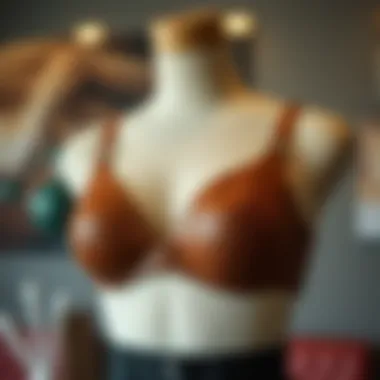
The structure of leather bras significantly influences their overall fit and comfort. Unlike traditional fabric, leather is a robust material, requiring precise tailoring to ensure it moves in harmony with the body. For example, the cups are often molded to maintain shape, providing lift and support. When properly fitted, a leather bra can feel like a second skin, contouring to the wearer’s curves.
When shopping for leather bras, it’s critical to consider the specific measurements. Many brands offer customizable options to ensure that the fit caters to multiple body types. Unlike regular bras, which may have multiple clasp options, leather bras often come with a more secure fastening. This security can offer a sense of empowerment, knowing the garment is designed to stay in place for an active day or an evening outing.
Varieties of Styles
The diversity in styles of leather bras is as rich as the material itself. From classic cuts to avant-garde designs, leather bras have evolved to cater to a wide array of tastes. Here are some popular styles:
- Bandeau: A strapless option that showcases the shoulders while providing a smooth silhouette, great for layering under sheer tops.
- Bralette: Often featuring delicate cutouts or lace details, these designs blend toughness with femininity.
- Underwire Bras: These provide added support and shape, ideal for those who prefer a more structured look.
Each style can communicate different vibes—from edgy rock-chic to sultry elegance. This wide range invites experimentation and lets wearers express their personal style.
Color Options and Textures
Color and texture can change the perception of a leather bra. While traditional black is a timeless choice, designers have expanded the palette to include rich browns, subtle pastels, and even bold colors like deep red or electric blue. Moreover, the texture plays a pivotal role in how a bra feels and looks. For example, a brushed finish gives a softer appearance, while patent leather offers a shiny, standout feature.
The richness of leather allows for endless opportunities in customization, appealing to varied personal aesthetics.
The interplay between color and texture can reflect a mood or occasion, adding layers of meaning to the garment. By understanding these design elements, both consumers and designers alike can make informed choices that enhance functionality while not sacrificing style.
Material Insights
In the realm of fashion, the materials chosen for a garment can make or break its appeal. When it comes to women's leather bras, the selection of leather types and the method of treatment is paramount. These elements not only influence the aesthetics but also the functionality of the bra itself. Understanding the materials contributes significantly to addressing both consumer preferences and sustainability challenges.
Types of Leather Used
When we talk about leather bras, it’s essential to look into the various types of leather used in their creation. The two predominant categories include animal-derived leathers and synthetic alternatives.
- Cowhide is the most commonly used leather due to its durability and availability. It withstands wear and tear exceedingly well, making it a dependable choice for daily use. The texture can range from smooth to slightly pebbled, often achieving a soft finish that provides comfort against the skin.
- Sheepskin offers a lighter and softer option. It has a plush feel, which can be great for those seeking gentle snugness without compromising on support. This type of leather tends to have a nice drape, creating a flattering silhouette.
- Goatskin strikes a balance between strength and softness. It’s a less common choice but praised for its unique texture and breathability. This can often be a game-changer for the wearability of leather garments, especially in warmer climates.
- Synthetic materials, such as polyurethane or PVC, are also prevalent. While not made from animal sources, these materials mimic the look and feel of leather. They are often marketed as cruelty-free and are a favored option for those committed to ethical fashion. Yet, they may not have the same level of durability or comfort.
The choice of leather ultimately shapes not only the design elements but how the bra attaches to the body, manages temperature, and interacts with a variety of skin types.
Leather Treatment and Sustainability
The journey of a piece of leather begins with its treatment. Traditional tanning processes involve complex chemical methods that can significantly impact the environment. Nonetheless, there has been a shift toward more sustainable practices in recent years.
- Vegetable tanning, for instance, uses natural materials such as tree bark, leaves, or roots. Although this method is time-consuming, it results in a biodegradable product that is less harmful to the planet. The leather produced is generally thicker and develops a unique patina over time, adding character.
- Chrome tanning, another common method, yields softer, more pliable leather. However, it often involves the use of toxic chemicals like chromium salts, which pose environmental hazards. The rising awareness of these harmful effects has pushed brands to reevaluate their practices.
- Eco-friendly innovations have emerged, such as tanning with fruit extracts or even waste from other industries, like coffee or pineapples. These advancements not only promote sustainability but also offer new textures and appearances for leather bras.
Choosing leather that is treated sustainably can mitigate harmful impacts on the Earth. This, in turn, aligns with a growing consumer demand for ethical fashion choices, where those who wear leather bras can feel good about the product's journey.
"Understanding material choices plays a crucial role in how consumers relate to fashion. It's about more than just looks; it involves principles of sustainability and ethical responsibility."
In summary, the intricacies of leather types and treatment processes are fundamental to the design and longevity of women's leather bras. As we continue to explore fashion, these material insights provide a deeper awareness of the intersection between style and responsibility in today’s clothing choices.
Cultural Implications of Leather Bras
The cultural significance of leather bras stretches far beyond their mere existence as fashion items. They represent a confluence of art, identity, and social commentary. Through their texture, design, and overall aesthetic, leather bras speak volumes about the wearer's personality and cultural stance. In a world where fashion choices often signal alignment with specific ideologies or movements, leather bras emerge as statements that provoke thought and present an image that is both confident and bold. This section delves into the multifaceted dimensions of leather bras in the cultural arena.
Leather as a Symbol in Fashion
Leather holds a hallowed place in the world of fashion. Historically viewed as a material signifying strength and rebellion, leather bras encapsulate these attributes while reshaping the narrative around femininity. They challenge conventional notions of what a bra should represent. Instead of merely offering support, these garments carry a certain edginess—they’re often associated with female empowerment movements, and this duality plays a pivotal role in how women choose to express themselves.
It's essential to recognize how various fashion designers have adopted leather as a canvas to depict their vision of empowered femininity. When a woman slips into a leather bra, it's often not just about appearance; it's an embodiment of her self-perception and confidence. Designers often infuse motifs or historical references into their leather creations, further solidifying leather's status as a cultural symbol.
"Fashion is the armor to survive the reality of everyday life; leather adds a tough layer of confidence to that armor."
An Example of Symbolism in Fashion
Take Vivienne Westwood, for example. Her leather bras, often donned during high-fashion shows, spark conversations about gender roles and the nature of rebellion. They invite questions about comfort and style, serving not just as garments, but as prompts for reflection on the essence of femininity in modern times.
Representation in Popular Culture
The depiction of leather bras in media—be it through movies, music videos, or advertising—further amplifies their cultural importance. When celebrities showcase a leather bra, it transcends mere fashion; it becomes a statement that can influence public perception and societal norms. Icons like Madonna, Rihanna, or even the lesser-known Dua Lipa, have adopted leather bras in their performances, transforming the costume into an emblem of strength and self-expression.
In film and television, characters clad in leather bras often portray women who defy norms, presenting an image of power, rebellion, or individualism. For instance, in the Matrix series, Trinity’s leather ensemble, including a bra, is integral to her character’s portrayal—strong, assertive, and unapologetically feminine. This representation resonates, shaping audience notions of empowerment and style.
Furthermore, social media platforms breathe new life into the discourse surrounding leather bras. With influencers documenting their styling journeys, leather bras are often showcased as versatile pieces that can be dialed up or down depending on the context. This accessibility breathes fresh air into the leather narrative, shifting it from high fashion to everyday wear.
In summary, leather bras forge a unique cultural identity that blends historical significance with contemporary interpretations of femininity and power. As they evolve in design and representation, these garments continue to resonate deeply within the fashion landscape, remaining a topic of exploration that challenges societal norms while celebrating personal expression.
Practical Considerations
The allure of women's leather bras goes beyond mere aesthetics. Understanding the practical aspects related to their care, maintenance, sizing, and fitting is essential for anyone looking to incorporate these unique garments into their wardrobe. Let's explore why these considerations matter, prior to diving into specifics.
Firstly, wearing a leather bra well is more than a fashion statement; it’s about achieving comfort alongside style. An ill-fitting or poorly maintained leather bra can detract from the visual appeal, turning what should be a statement piece into a source of discomfort. This section aims to provide insights into keeping these chic garments in prime condition while ensuring they fit and feel great.
Care and Maintenance
Proper care of leather bras is crucial. Leather, while durable, is also sensitive to moisture, heat, and dirt. Here’s a handy guide to ensure yours remains in tip-top shape:
- Cleaning: Use a soft cloth to wipe down the surface after every wear. For deeper clean, a specialized leather cleaner helps. Avoid soaking it in water.
- Conditioning: Leather can dry out. Periodic application of leather conditioner retains moisture, keeping the fabric soft and supple. This step is vital for preventing cracking or stiffness down the line.
- Storage: Always hang your leather bra rather than folding it. Store it in a cool, dry place, ideally in a breathable bag to prevent dust buildup.
- Avoid Heat: Keep your leather bra away from direct sunlight or heat sources. Leather can warp or fade if exposed for prolonged periods.
“Taking proper care of your leather lingerie not only extends its life but also transforms it into a timeless piece of your wardrobe.”
Sizing and Fitting Guidelines
Finding the right size and fit for a leather bra is as essential as the care taken in its maintenance. Here are vital points to consider:
- Measuring: Take accurate measurements of your bust, underbust, and band size using a soft measuring tape. This should be done while wearing a non-padded, fitted bra for the best accuracy.
- Fit Check: When trying on a leather bra, ensure it hugs your body without digging in. Your breasts should fill the cups nicely but not overflow. A snug fit is key, as leather tends to give slightly over time.
- Adjustments: If your bra doesn’t fit perfectly off the rack, consider professional adjustments. Tailoring can make a significant difference in overall comfort and aesthetics.
- Style Choices: Different styles might fit differently. For example, underwire bras often provide extra support, while bralettes might deliver a more relaxed fit. Explore what's comfortable for you.
- Consultation: Don't hesitate to seek guidance from the brand if unsure about sizing. A well-informed stylist can ensure you leave with a fit that flatters.
Combining these practical considerations will lead to a better wearing experience, extending the life of the leather bra while making sure it remains a key piece in your wardrobe. By properly caring for and fitting these garments, fashion enthusiasts can confidently express their unique style.
Styling a Leather Bra
When it comes to women's leather bras, styling becomes an art that transcends mere utility, turning a functional piece of lingerie into a bold fashion statement. The right styling can elevate an outfit from ordinary to remarkable, underscoring the individuality and confidence of the wearer. Given the unique texture and structure of leather, these bras can act as both a foundational element and a striking highlight in various ensembles.
Choosing how to style a leather bra involves considering various factors such as the occasion, body shape, and personal taste. Leather bras, when correctly styled, can offer a myriad of benefits: they can create an edgy aesthetic, add depth to a look, and even become conversation starters. Moreover, understanding the nuances of layering and accessorizing can drastically enhance the overall appeal of this wardrobe staple.
Layering Techniques
Layering with a leather bra can be a masterclass in combining comfort with sophistication. This technique allows for the integration of different textures, colors, and styles, allowing the wearer to express their unique fashion sensibility.
- Under Sheer Tops: A popular approach is to wear a leather bra beneath a sheer blouse or top. The contrast between the delicate and often transparent fabric with the toughness of leather offers a compelling visual dynamic. This combination is ideal for evenings out or artistic events.
- Oversized Jackets: Throwing on an oversized denim or bomber jacket over a leather bra creates a relaxed yet stylish vibe. This pairing works wonderfully in informal settings, where the juxtaposition of structured leather and soft fabric can attract attention without overpowering the overall look.
- Turtlenecks: In cooler months, layering a leather bra under a fitted turtleneck provides an interesting peek-a-boo effect. It adds an unexpected twist to a classic staple, making it sophisticated yet playful.
- Cardigans: A long cardigan can also work wonders. Whether it's an open or belted style, it offers versatility. The leather bra pops out as a surprising accent against the softness of the cardigan, allowing the wearer to transition effortlessly from day to night.
Accessorizing for Impact
Accessorizing a leather bra is key to amplifying its presence within an outfit. The right accessories can transform a simple look into a statement-making ensemble. Here are some strategies to consider:
- Statement Jewelry: Bold, chunky necklaces or oversized earrings can draw attention to the neckline while complementing the edgy quality of leather. Pieces made of metals or stones contrast nicely with the smoothness of leather.
- Belts: A well-placed belt can make the outfit more cohesive, especially when it accentuates the waist. Opt for wide belts with embellishments or chains to add flair.
- Scarves: A chic scarf can introduce color or pattern, creating a more layered look. Wrapping it loosely around the neck or tying it as a headband can add a unique touch, enhancing the outfit's aesthetic appeal.
- Footwear: The shoes chosen can set the overall tone. Heels can ramp up the sophistication, while combat boots might evoke a more rebellious spirit.
- Bags and Clutches: The type of bag can also make a difference. A sleek clutch for a night out or a structured handbag can contribute to a polished appearance.
"Styling is where personal expression meets creativity, bridging the gap between the mundane and the extraordinary."
By thoughtfully layering and accessorizing a leather bra, the possibilities are endless. Fashion is a personal language, and styling a leather bra provides a canvas for telling one’s unique story.
Consumer Perspectives
Understanding consumer perspectives on women’s leather bras is crucial in grasping the dynamic interplay between fashion, culture, and personal identity. As more women seek to express themselves through unique sartorial choices, the leather bra has emerged as a powerful symbol of empowerment and self-assurance. Its appeal transcends mere aesthetics, blending utility with bold statements, revealing both the desires and apprehensions of modern consumers.


Market Trends and Demands
In the evolving landscape of fashion, market trends reflect shifting consumer demands. A notable rise of leather bras on runways and in retail suggests that many women are embracing boldness in their wardrobe. The leather bra is more than just an undergarment; it embodies a sense of rebellion, sophistication, and an edge that many find appealing.
- Diversity in Styles: With various styles available, from classic black to colorful alternatives, brands are responding to increasing consumer desire for individuality. Products like the Maison Margiela leather bra have gained traction, resonating with those looking for something out of the ordinary.
- Technological Integration: Some designers are now incorporating smart textiles, which can regulate temperature or shape, responding to market interest in function alongside form.
Moreover, the demand for unique leather bras indicates a readiness to invest more in statement pieces. This is evidenced by brands capitalizing on eco-friendly craftsmanship, tapping into a growing niche of sustainably conscious shoppers. Ultimately, the market is slowly realizing that catering to these preferences might just be the key to success.
Gender and Fashion Choices
The conversation surrounding gender and fashion choices is more pertinent than ever, and leather bras play a role in this dialogue. Traditionally perceived as a garment that may lean towards exhibiting the feminine ideal, many are challenging these conventions. The modern consumer recognizes that fashion is a personal expression, one that need not be confined by gender norms.
- Breaking Stereotypes: For example, male and non-binary individuals are increasingly experimenting with leather bras, redefining what this piece can signify. This cultural shift highlights a broader acceptance of non-traditional gender roles in fashion.
- Empowerment and Identity: Wearing a leather bra can symbolize empowerment for many women. It can be an act of defiance against societal constraints, a way to take possession of one’s body and identity. This is pivotal in understanding the garment’s relevance in a world where gender fluidity is gaining recognition.
"Fashion is about more than just clothes. It is a language, a way to express identity and challenge norms."
As consumers increasingly seek clothes that resonate with their personal journeys, the leather bra becomes a canvas for self-expression and a reflection of evolving societal attitudes towards gender and identity. Understanding these nuanced perspectives yields invaluable insights for designers and marketers aiming to cater to a sophisticated consumer base, paving the way for a more inclusive fashion future.
Environmental Considerations
When discussing women's leather bras, one cannot overlook the environmental implications tied to leather production. The industry has traditionally grappled with criticism surrounding waste management, resource consumption, and the overall ecological footprint of leather goods. Not only does the production of leather require significant land and water resources but it also involves processes that can harm the environment if not managed properly. Therefore, a thorough understanding of these environmental considerations is crucial when evaluating the sustainability of leather bras in fashion today.
Sustainability in Leather Production
Sustainable leather production seeks to minimize the environmental impact while ensuring quality and durability in the final product. This method emphasizes the importance of sourcing leather from tanneries that follow ethical practices, often utilizing less harmful chemicals during the tanning process. For instance, vegetable-tanned leather is generally considered a more eco-friendly option compared to chrome-tanned leather, which uses metals that can leach into waterways.
Moreover, brands are increasingly adopting alternative procedures like water recycling systems and natural dyes to lessen their ecological footprint. Some noteworthy advances in leather production include:
- Use of by-products: Leather sourced as a by-product from the meat industry helps reduce waste.
- Water management: Implementing water management practices helps to decrease water pollution and consumption.
- Renewable energy sources: Utilizing solar or wind energy in production reduces reliance on fossil fuels.
Promoting these practices not only benefits the environment but can also enhance a brand's reputation among increasingly eco-conscious consumers.
Ethical Alternatives to Leather
With growing concerns about traditional leather production, the market has seen a surge in ethical alternatives that maintain the aesthetic qualities of leather without the same environmental consequences. Faux leather options, crafted from synthetic materials or plant-based substances, are gaining traction. Here are some notable alternatives:
- Piñatex: Made from pineapple leaf fibers, Piñatex offers a biodegradable and sustainable alternative that has attracted attention for both its eco-friendliness and its unique texture.
- Mushroom leather (Mylo): This innovative option, derived from mycelium, provides a smooth, leather-like finish and decomposes naturally, reducing waste.
- Recycled materials: Some brands produce leather-like fabrics from recycled plastics, making them not only stylish but also environmentally friendly.
The rise of these alternatives signifies a pivotal shift in consumer preferences. Shoppers are increasingly demanding options that reflect their values, pushing brands and designers in the fashion industry to reevaluate their offerings. As awareness about the ecological impact of fashion grows, the future of women's leather bras – and leather fashion as a whole – may pivot more towards sustainable practices and ethically sourced materials.
"Sustainable fashion is not a trend; it’s a responsibility that the industry cannot ignore."
Embracing these discussions around sustainability and ethical alternatives not only highlights the evolution of style but also underscores a larger movement towards responsible consumption in fashion, particularly in the realm of women's leather bras.
Final Thoughts
The topic of women's leather bras embodies a compelling intersection of fashion, functionality, and sustainability. As this article has traversed the facets of leather bras—from their intricate designs to the evolving market trends— it's clear that these garments are not just a choice of style but a statement of identity.
The Future of Women's Leather Bras
Looking ahead, the future of women's leather bras seems poised for innovation and growth. As fashion evolves, so does the technology behind material production and garment design.
- Innovative Materials: Expect to find alternatives that blend leather with synthetic elements, creating lighter and more breathable options without compromising on aesthetic appeal or durability.
- Customization: More brands are moving towards bespoke services. Women might not just find a leather bra that fits well, but one that reflects their personal style and preferences in texture, color, and design.
- Sustainability Focus: With environmental concerns escalating, brands are likely to adopt greener practices. This includes using ethically sourced leather, more efficient production methods, and transparent supply chains that allow consumers to make more informed choices regarding the products they support.
Adapting to these trends means that women’s leather bras will likely gain a broader acceptance across different demographics, empowering individuals to embrace diverse expressions of femininity and strength.
Embracing a Thoughtful Fashion
In today's world, thoughtful fashion is more than a buzzword; it's becoming a creed for many consumers. When selecting leather bras, here are some aspects to consider that exemplify this mindful approach:
- Ethical Production: Choose brands that prioritize ethical labor practices and sustainability in their leather sourcing. It’s important to purchase from companies that are transparent about their production processes.
- Quality Over Quantity: Investing in a high-quality leather bra not only offers longevity but also decreases the need for frequent replacements. This mindset shifts the focus from fast fashion to quality staples that stand the test of time.
- Versatility: A leather bra should seamlessly integrate into one’s wardrobe, offering multiple styling options. Selecting a design that works with various outfits encourages the idea of a capsule wardrobe, aligning well with the increasing desire for minimalism in fashion.
In sum, the discussion surrounding women's leather bras is not just about the item itself but is intricately linked to broader themes of sustainability, empowerment, and personal expression. This transition towards embracing thoughtful fashion will undoubtedly make a significant mark in the coming years, ensuring that these unique pieces remain not just ornamental but meaningful in every sense of the word.
"Fashion is not just about clothes; it is a visual expression of our thoughts and values."
With these considerations, the narrative surrounding leather bras continues to evolve, paving the way for a more conscious and expressive era in women's fashion.