Exploring the Elegance of Modest Floor Length Dresses


Intro
As modern society continues to embrace diversity and individuality in fashion, modest floor length formal dresses have carved out a distinctive niche. These garments reflect both personal choices and cultural heritage, showcasing the blend of elegance and respect for modesty. This article dives into the depths of this fascinating realm, exploring not just the aesthetic appeal of these dresses, but also the multifaceted framework that surrounds their design. With insights drawn from history, cultural significance, and the latest trends, readers will find a comprehensive guide to understanding why these dresses resonate with so many.
This exploration will be broken down into various sections, each aiming to elevate the reader's understanding of the nuances involved in selecting, styling, and appreciating modest floor length formal dresses.
Fabric Education
In understanding modest fashion, one must first appreciate the fabrics that make these dresses a reality. The choice of material affects style, comfort, and the overall feeling of the garment.
Understanding Different Fabric Types
Fabric choices in modest floor length formal dresses range widely. Here are some commonly used materials:
- Silk: Known for its luxurious feel, silk drapes beautifully, making it a popular choice for formal wear. However, it requires careful maintenance and is not always the most practical option for every occasion.
- Chiffon: This lightweight, sheer fabric adds an ethereal quality to dresses, allowing for layers without bulk. It's perfect for adding dimension while maintaining modesty.
- Cotton: A more casual choice that brings comfort, cotton is easy to care for and available in a myriad of styles. Don't underestimate its potential; with the right design, it can work beautifully for formal situations.
- Satin: This fabric gives off a gorgeous sheen and has a structured quality that helps create dramatic silhouettes. It’s ideal for making a statement.
Each fabric has its unique set of characteristics that can influence how the dress fits and flows on the body.
The Lifecycle of Fabrics: From Production to Disposal
Understanding the journey of fabrics is essential for those who preach sustainability. The lifecycle begins with raw materials, whether they are natural or synthetic, and extends to their eventual disposal.
- Production: The way a fabric is produced can vary greatly—in terms of chemicals used, carbon footprint, and labor practices.
- Use: While wearing, consideration of care practices impacts the lifecycle too. Opting for gentle washing methods can prolong the life of a garment.
- Disposal: Many fabrics can take years to decompose, impacting the environment. Selecting options that offer longevity or can be recycled is valuable for eco-conscious consumers.
"Choosing the right fabric is not just a matter of aesthetics but also a decision impacting sustainability and ethical fashion practices."
Sustainable Practices
With a growing awareness around sustainable fashion, it's crucial to delve into practices that can complement a modest wardrobe while being eco-friendly.
Eco-Friendly Fabrics and Their Benefits
Eco-friendly fabrics are on the rise, incorporating materials that minimize environmental impact. Some noteworthy options include:
- Hemp: Renowned for its durability and minimal water requirements during growth. Hemp fabric is biodegradable and becomes softer with each wash.
- Organic Cotton: Free from harmful pesticides, organic cotton supports sustainable farming practices and provides a soft, breathable option.
- Recycled Polyester: Created from post-consumer plastic bottles, this fabric gives new life to waste while maintaining the characteristics of traditional polyester.
These materials not only appeal to the sustainable mindset but also offer alternatives that still provide elegance and quality.
Tips for a Sustainable Wardrobe
Building a sustainable wardrobe requires intentionality. Here are a few practical tips:
- Invest in Quality: Opt for fewer high-quality pieces instead of fast fashion, ensuring longevity.
- Mix and Match: Focus on versatile dresses that can be styled differently across seasons.
- Educate Yourself: Stay informed on brands’ ethical standings and sourcing practices—this helps make conscious choices.
- Second-Hand Finds: Consider thrifting; it’s a sustainable way to find unique pieces and reduce waste.
By embracing these practices, fashion enthusiasts not only enhance their personal style but also contribute positively to the environment and the fashion industry as a whole.
Understanding Modesty in Fashion
Understanding modesty in fashion is a vital step in navigating the diverse landscape of contemporary clothing choices. In recent years, the term modest fashion has gained more traction, resonating with various groups around the globe. This section explores what modesty means in today’s context, along with its significance in the realm of formal dresses, particularly those that trail elegantly to the floor.
Defining Modesty in Contemporary Context
In today’s society, modesty can be viewed rather loosely. Traditionally, it often encompassed the idea of covering specific body parts or maintaining certain standards of decorum in attire. However, in the contemporary context, modest fashion includes a broader interpretation, allowing for personal expression while adhering to individual comfort levels.
Some see modest fashion as more than just a restriction; it is a means to embrace a personal philosophy. The modern modest fashion movement often focuses on the idea that clothing can be both stylish and modest without compromising personal identity. Designers are keen to represent this shift, creating elegant and chic floor-length formal dresses that allow women to feel confident and comfortable.
"Fashion is about expressing oneself, but sometimes that expression walks hand-in-hand with principles and beliefs that guide us."
This duality highlights the discussion around modesty in fashion today—it's about what you wear and how you wear it. With the rise of social media and online retail, the exposure to various styles has enabled a more robust conversation about the many ways modest dresses can reflect personal narratives, cultural backgrounds, or belief systems.
Cultural Perspectives on Modesty
Looking through the lens of various cultures gives depth to understanding modesty in fashion. In some cultures, it is a longstanding tradition to dress modestly, often tied to religious beliefs or community values. For example, Muslim women widely embrace modest dress, which is a critical element of their faith and cultural identity. Many choose floor-length dresses, often paired with elegant hijabs, symbolizing their commitment to their values.
In contrast, other cultures may emphasize modesty for reasons beyond religion, such as personal comfort or societal norms. In Western societies, modest attire has seen a resurgence as a counter-reaction to the overtly revealing fashion that was popular in the past. The idea here is that modesty does not equate to a lack of style but can be a form of empowerment.
- Cultural norms dictate how, why, and when modesty is manifested in fashion, so it's essential to consider these perspectives.
- Global diversity paints a rich tableau of how modesty varies across regions and communities.
Fashion designers and brands today often harness these cultural sentiments, creating designs that cater to various tastes while respecting traditional values. The celebration of modest fashion reveals not just an individual style but a collective appreciation for the stories woven through fabric and thread.
Historical Evolution of Formal Dresses
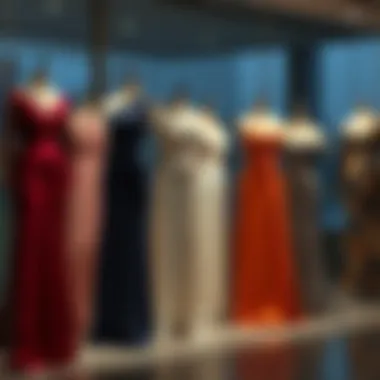
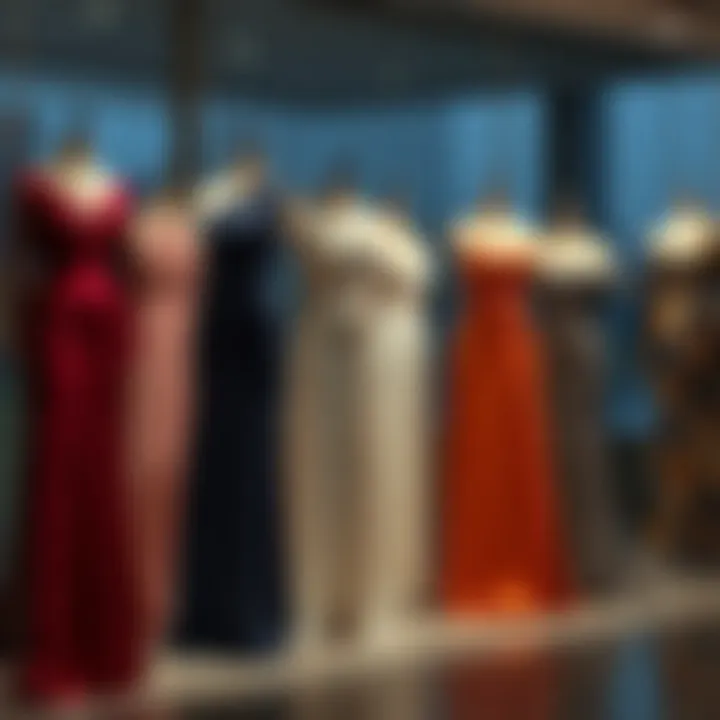
Understanding the trajectory of formal dresses helps to appreciate not only their aesthetic value but also the cultural narratives infused in them. This evolution is crucial in recognizing how modest floor-length formal dresses have adapted over the centuries to meet societal expectations, personal expressions of identity, and changing notions of modesty. It sheds light on why certain styles resonate with wearers today, giving context to their enduring appeal.
Historical Roots of Formal Attire
Tracing the history of formal attire reveals a fascinating blend of tradition and innovation. Initially, garments designed for formal occasions reflected the status and wealth of the wearer. For instance, in the 16th and 17th centuries, the upper echelons of society showcased their affluence through elaborate designs and sumptuous materials. Gowns adorned with rich brocades and precious stones were commonplace, symbolizing not just fashion but power and prestige.
As we moved into the 18th century, we saw a shift where fashion began to emphasize feminine beauty through more fitted and flowing silhouettes. The introduction of intricate corsetry and the empire waistline made floor-length dresses synonymous with elegance. These designs highlighted a woman’s form while still adhering to modest norms of the time.
- Key Elements of Early Formal Attire:
- Use of luxurious fabrics like velvet and silk
- Decoratively detailed embellishments
- Form-enhancing structures like corsets
This tradition of opulence persisted across decades, influencing the Victorian era with its emphasis on propriety. The full skirts of the 19th century, often supported by crinolines, were intended to convey modesty through layered looks while still allowing for grandeur. Formal dresses became a canvas for artistic expression, often reflecting broader societal changes such as the women's suffrage movement, where simpler cuts began to emerge as a symbol of autonomy.
Transition to Modern Formal Wear
Fast forward to the 20th century, the transition into modern formal wear brought about significant changes influenced significantly by liberation movements and increased individualism in fashion. As societal norms shifted, so did the design of formal dresses. Designers like Coco Chanel challenged established notions of femininity, introducing more relaxed silhouettes and materials.
The concept of 'modesty' evolved. While modest floor-length dresses still maintained their place, modern interpretations allowed for more diverse expressions. Different necklines, sleeve lengths, and cuts emerged, reshaping how modest dress can manifest in formal attire.
- Elements of Modern Floor-Length Formal Wear:
- Diverse cuts (A-line, ball gowns, sheath dresses)
- Variety of fabric choices (natural, synthetic, and sustainable)
- Influx of cultural influences from global designers
Today, an increased awareness of ethical fashion and sustainability is prompting designers to prioritize not only aesthetic appeal but also the environmental impact of clothing production. The discussion on modesty has taken root in contemporary formal wear choices, rendering floor-length dresses a symbol of elegance rooted in cultural significance and personal identity.
"Fashion is the armor to survive the reality of everyday life." - Bill Cunningham
In summary, the historical evolution of formal dresses serves as a reflection of societal changes while encapsulating personal narratives. From the luxurious fabrics of the past to the varied interpretations of modesty today, the journey of formal attire continues to be shaped by cultural, ethical, and stylistic considerations.
Types of Modest Floor Length Formal Dresses
When it comes to versatile fashion, modest floor length formal dresses hold a special place in the wardrobe of many. They not only epitomize grace but also provide choices that cater to different body shapes and personal styles. Whether for a wedding, a gala, or a corporate event, understanding the various types of modest dresses can aid individuals in selecting attire that reflects their personality while adhering to modesty standards.
A-Line Silhouettes
A-line silhouettes are often celebrated for their flattering shape that suits many figures. The fitted bodice flows out gently from the waist, creating an 'A' shape. This design is particularly advantageous for those who want to highlight their waist while allowing for comfort in the hips and thighs.
- Benefits: This style provides balance, which is great for most body types and can be dressed with various accessories, making it adaptable for different occasions.
- Considerations: When choosing an A-line dress, pay attention to the fabric. Heavier materials may not flow as beautifully, while lighter fabrics can enhance the overall elegance.
Ball Gowns
Ball gowns are synonymous with formal events. The voluminous skirt paired with a fitted bodice creates a royal aesthetic that is hard to ignore. These dresses often come with intricate details like embroidery, beading, or lace.
- Benefits: They exude elegance and require minimal accessorizing due to their already lavish designs. When one walks in a ball gown, there’s an undeniable air of confidence.
- Considerations: It's crucial to ensure proper fitting, particularly in the bodice area. A ball gown that is too loose or tight can detract from its majestic appearance.
Sheath Dresses
Sheath dresses offer a sleek and sophisticated alternative for those who prefer a more form-fitting silhouette. Falling straight down from the shoulders, these dresses elegantly hug the body, highlighting natural curves without being overly revealing.
- Benefits: The simplistic nature of sheath dresses allows for easy layering with jackets or shawls, making them suitable for various events.
- Considerations: While they are stunning, it’s essential to choose the right size to avoid a pinched or overly the tight fit that may make movement challenging.
Wrap Dresses
Wrap dresses are versatile and can be adjusted to fit as desired. They feature a crossover front and can be tied at the waist, allowing for a personalized fit. This style complements many body shapes and is perfect for various occasions.
- Benefits: They are known for their comfort and provide a sophisticated look. The wrap style can also enhance the waistline, which many find appealing.
- Considerations: When selecting a wrap dress, look out for the quality of the fabric. Stretchy materials can offer flexibility but may also lose shape over time.
Fabric Choices for Quality and Comfort
When it comes to modest floor length formal dresses, the choice of fabric is not just a matter of aesthetics; it is deeply intertwined with comfort, movement, and overall satisfaction with the garment. The right fabric can elevate a dress, enabling it to flow seamlessly during wear, while also ensuring that the wearer feels confident and at ease. This section aims to dissect the various fabric types that cater to these crucial needs, focusing on their unique characteristics, advantages, and considerations.
Natural Fabrics: Cotton, Silk, and Wool
Natural fabrics have long been celebrated in the realm of fashion. Cotton, recognized for its breathability, is an excellent choice for warmer climates and daytime events. Its softness creates a comfortable drape, making it an ideal candidate for those looking for modest yet chic options. Consider a cotton A-line dress that flows with each movement, providing an elegant silhouette without compromising comfort.
Silk, on the other hand, offers a luxurious touch. Its smooth texture glides over the body, giving off an aura of sophistication. However, potential wearers should be mindful of its delicate nature; silk requires careful handling and typically higher maintenance. For formal occasions, a silk wrap dress can be strikingly beautiful, catching light in the most flattering of ways.
Then, there’s wool, often reserved for cooler weather. Wool is incredibly versatile, providing warmth without bulk, making it suitable for layering. Look to wool-blend fabrics for floor length gowns, as they offer both structure and give. A wool sheath dress can thus create a polished yet comfortable appearance.
Synthetic Fabrics: Polyester and Nylon


In contrast to their natural counterparts, synthetic fabrics like polyester and nylon have gained popularity for their practicality. Polyester is known for its durability and resistance to wrinkling, making it a great choice for long wear situations. A modest ball gown crafted from polyester can handle the movement required during a wedding or gala without losing its shape.
Nylon often comes into play for its lightweight and stretchy qualities. This fabric hugs curves without clinging too tightly, providing comfort while allowing freedom of movement. A nylon blend in a modest wrap dress can provide the perfect balance of form and function, catering to modern tastes.
Sustainable Fabric Options
The conversation around fashion is evolving, and sustainability is becoming a pivotal topic. Sustainable fabrics such as Tencel, organic cotton, or recycled polyester present viable options for eco-conscious consumers. Tencel, made from sustainably sourced wood pulp, is both biodegradable and soft to the touch, creating an environmentally friendly alternative to traditional textiles. A floor length dress crafted from Tencel can drape beautifully while promoting eco-responsibility.
Moreover, opting for organic cotton not only supports sustainable farming practices but also fosters a healthier planet for future generations. This natural fabric remains free from harmful chemicals, providing comfort without an environmental cost.
Through thoughtful fabric choices, consumers can make informed decisions that resonate with their personal values, bringing style and consciousness into harmony.
"The fabric not only defines the silhouette but also speaks volumes about one’s values and lifestyle choices."
Ultimately, whether one prefers natural, synthetic, or sustainable fabrics, prioritizing quality and comfort in fabric choice is crucial for a satisfying fashion experience. Selecting the right material supports both the visual appeal and practical functionality of modest floor length formal dresses, making it a topic deserving thorough consideration.
Styling Tips for Modest Formal Dresses
Selecting the right modest floor-length formal dress is just one piece of the puzzle. To truly shine, it’s vital to master the art of styling. This section brings forward essential tips that can elevate your ensemble from merely presentable to absolutely breathtaking. Gaining confidence in styling not only enhances personal appearance but can also reflect one’s personality and taste. Here, we’ll explore three significant aspects of styling: accessorizing for elegance, layering techniques, and footwear considerations. Each component holds its own weight in creating a complete look that respects modesty while embracing grace.
Accessorizing for Elegance
When it comes to modest dresses, accessories can either make or break the entire outfit. They lie in the sweet spot of adding flair without overpowering the ensemble. Here are key points to remember when accessorizing:
- Choose Thoughtful Pieces: Opt for a statement necklace or chandelier earrings; however, too many bold pieces can clash. Select one to three standout items to create balance. For instance, a delicate beaded clutch can perfectly complement a gown without drawing too much focus.
- Utilize Color Coordination: Picking accessories that match or complement the dress color can create a cohesive look. If your dress is a deep navy, consider silver accessories to add a touch of sophistication.
- Layer with Purpose: Scarves or wraps can serve both aesthetic and functional purposes. They not only provide warmth but also add depth to your look. A long, flowing scarf in a contrasting color can transform a simple dress into something striking while adhering to modesty standards.
"Modest fashion speaks volumes when styled thoughtfully—it's not just what you wear, but how you wear it."
Layering Techniques
Layering might sound straightforward, but it requires some nuance. The goal is to preserve modesty while ensuring comfort and style. Here’s how to nail it:
- Select Complementary Fabrics: Combining fabrics can create intriguing textures. A lace overlay on a solid dress can add an air of elegance, while a silk camisole under a sleek dress provides an effortless edge without revealing too much.
- Explore Different Lengths: Play with varying lengths. A cropped jacket over a floor-length dress can create a balanced silhouette. If you're wearing a sheath dress, consider a longer cardigan or tailored coat to elongate the figure while providing coverage.
- Mind the Seasons: In colder months, layering can be practical and stylish. Use warmer fabrics like wool or cashmere as outerwear, while lighter options serve well in spring and summer. A long duster can elevate your look and keep you comfortable as temperatures fluctuate.
Footwear Considerations
Footwear is the foundation of any outfit. Choosing the right shoes can dramatically impact the overall appearance and comfort of your modest formal dress. Consider these elements:
- Opt for Comfort vs. Style: While high heels can add a touch of elegance, don’t forsake comfort. Ballet flats or low-heeled pumps can be equally chic. They ensure you can move about comfortably, especially in longer events.
- Select the Right Color and Material: Footwear color can enhance or detract from the overall elegance of your dress. Metallics often pair beautifully with various fabrics, providing a hint of sparkle. One may also consider textured materials, like satin, that resonate with the formality of the outfit.
- Balance Proportions: Consider height and silhouette. For instance, if your dress is flowing, a streamlined shoe style can keep proportions in check. Conversely, if the dress is fitted, chunky heels may add visual weight that could hinder the elegance of the look.
As we navigate the realm of modest fashion, effective styling holds the key to standing out while respecting personal choice and comfort. These tips serve as a foundation, allowing room for creativity and personal expression.
The Role of Modest Dresses in Formal Events
In the realm of fashion, modest dresses have carved out a significant niche, especially when it comes to formal events. Their importance spans a wide array of contexts—from weddings to corporate gatherings—where elegance often meets cultural or personal values. Modesty in fashion is not just about covering up; it's about expressing one's identity while adhering to certain social standards. By appreciating the role of modest dresses in these settings, one can understand the balance that exists between style and conformity.
These dresses serve as a canvas for individual expression, where the choice of fabric, color, and accessories can tell a unique story. Modest floor-length formal dresses can enhance poise, refinement, and respect for the occasion, making them a popular pick for those seeking something a bit different from traditional gowns while remaining tasteful and sophisticated. Let’s delve further into their role, taking a closer look at weddings and celebrations, as well as corporate functions and gatherings.
Weddings and Celebrations
Weddings are often seen as the pinnacle of formal occasions, marked by their joyous celebrations and deep emotional significance. In these contexts, modest dresses provide an alternative that resonates with various cultural and personal beliefs. Many brides or wedding guests prefer styles that emphasize grace while honoring their values.
Consider this: a floor-length A-line dress with delicate embroidery can command attention without being overbearing. Such choices not only reflect elegance but also show respect for the ceremonial nature of weddings. In cultures where modesty holds great significance, these dresses symbolize the graceful nature of the event.
Here are some key aspects of modest dresses in weddings and celebrations:
- Respect for Traditions: Many religions and cultures dictate certain dress codes for formal events. Adhering to these can enhance unity among guests.
- Versatility in Design: Modest dresses come in various styles, from classic ball gowns to modern sheath designs, allowing for personal flair without compromising the theme.
- Comfort and Movement: Longer hemlines often allow for more freedom of movement. Especially during long ceremonies or receptions, this is highly beneficial for guests and brides alike.
"A modestly dressed individual sends a message of elegance, sophistication, and respect for tradition."
Corporate Functions and Gatherings
Moving from personal celebrations to professional environments, modest floor-length dresses play a pivotal role in corporate functions as well. Work-related events require attire that is not only appropriate but also conveys professionalism and confidence.
Women attending such functions often seek outfits that fit the corporate culture without compromising their personal values. A well-chosen modest dress can make a powerful statement, symbolizing both authority and grace. Here are some considerations:
- Professionalism: A formally dressed individual evokes a sense of seriousness and commitment to their role.
- Fit for Various Settings: Whether it’s a gala, a conference, or an office party, modest dresses adapt seamlessly to diverse corporate events. The key is to choose styles that align with the event's formality.
- Timeless Appeal: Unlike fleeting trends, modest dresses often transcend fashion cycles, making them a wise investment for one's wardrobe.
Cultural Significance of Modest Dress Codes
Modest dress codes hold substantial cultural significance across various societies and communities. They serve as visual articulations of values, beliefs, and identities, providing insight into how societies perceive modesty and elegance. With roots stretching deep into religious practices and historic traditions, these dress codes evolve, but their core messages often remain unchanged. Through the lens of modest fashion, we witness a rich tapestry where individuality and collective identity intersect, allowing participants to express their personal style while honoring their cultural heritage.


Adaptations in modest dress codes also highlight the ever-changing landscape of societal norms. In recent years, as conversations around feminism, body positivity, and personal expression intensify, modest clothing has seen a resurgence, offering a nuanced take on elegance that defies the typical standards of contemporary fashion. The allure of modest floor-length formal dresses lies in their capacity to bridge gaps between generations, cultures, and even religions.
"Clothing is not just about fabric; it’s about identity and the choices we make every day."
Modest dresses invite discussions about body image and personal confidence, ultimately championing a fashion ethos that respects individual choices while often adhering to community expectations. Here are a few important aspects regarding cultural significance:
- Representation of Values: Modest dresses often tell stories related to cultural and moral values. These dresses can signify respect, dignity, and a commitment to tradition.
- Unity in Diversity: They serve as a shared language among diverse populations, enabling a sense of belonging, unity, and mutual respect. They keep cultural narratives alive and relevant in fast-paced modern worlds.
- Personal Expression within Boundaries: Fashion variably reflects personal style while respecting cultural or religious stipulations, showcasing how individuals navigate their personal tastes alongside societal expectations.
In sum, the cultural significance of modest dress codes is complex and multilayered, acting as conduits of identity that carry profound implications across various contexts.
Religious Influences
When discussing modest dress codes, religious influences often loom large. Various faiths advocate for modesty as a virtue, shaping how followers dress during formal occasions. For instance, in Islamic culture, modesty is highly emphasized within the dress code for women. This is particularly visible in events like weddings, where many choose to don floor-length dresses that align with cultural stipulations regarding modesty. The intertwining of spirituality and fashion reflects broader ethical concerns, presenting a challenge for designers to create garments that maintain both aesthetic appeal and religious adherence. Hindu weddings often showcase traditional sarees which span the floor, adhering to modesty principles while allowing for vibrant cultural representation. Here are some typical features shaped by religious doctrines:
- Specific Garment Styles: Depending on tradition, long-sleeved dresses or high-necklines are encouraged, promoting modesty.
- Cultural Symbolism: Fabrics and colors chosen for specific events carry religious meanings, making floor-length dresses not just fashionable but also significant in spiritual contexts.
- Community Dynamics: Many adherents express a sense of belonging through their choice of attire that not only embodies modesty but also community solidarity during ceremonial functions.
Religious influences do more than dictate how one should dress; they embed deeper ideological embodiments into fabric choices, ensuring that modest floor-length formal dresses remain quintessential to community identities.
Cultural Celebrations and Attire
Cultural celebrations often showcase the vibrant interplay of modest dress codes in communities worldwide. Whether celebrating holidays, festivals, or milestones, these gatherings frequently highlight modest floor-length dresses as a sartorial choice. As a case in point, during Diwali in India, women often wear elegant lehengas or long kurtas, exuding both grace and respect for tradition. Each piece worn during these events is a nod to the heritage while providing room for individual expression.
Some noteworthy features of cultural celebrations linked to modest attire are:
- Symbolism of Dress: Attire often takes on significant meanings during celebratory events, where colors, styles, and patterns carry cultural or religious weight.
- Inter-generational Significance: Older generations often impart the meaning and style of these dresses, providing continuity and education across ages.
- Showcasing Regional Diversity: Various regions present unique styles and interpretations of modest dresses during celebrations, allowing participants to appreciate local craftsmanship and traditions.
Ethical Considerations in Fashion
Exploring the realm of fashion, particularly modest floor length formal dresses, inevitably brings us to the topic of ethics. In today's world, consumers are not just concerned with aesthetics or trends; rather, they seek to understand the journey their clothing takes from production to purchase. Ethical considerations in fashion encompass various elements such as labor practices, environmental impact, and sustainability.
An essential aspect of this discussion is regarding labor practices. Many are increasingly aware that behind every garment is a story that may involve exploitative labor conditions. Fast fashion brands often cut corners, resulting in garments produced in factories where workers endure long hours for meager wages. This situation underscores the need for transparency in the supply chain, prompting a shift towards brands that prioritize fair pay and safe working conditions. This is vital for fostering a humane and equitable fashion industry.
Furthermore, the environmental impact of fashion cannot be overstated. Traditional textile production can be extremely wasteful, utilizing vast amounts of water and toxic chemicals, which present a dire threat to ecosystems. With the rise of modest fashion, there is an opportunity to emphasize environmentally friendly practices and materials.
For instance, choosing fabrics that require less water or using natural dyes can significantly reduce the ecological footprint of production. Therefore, considering how one's clothing impacts the planet can help shape a more responsible fashion consumer.
"What you wear is not just a choice; it is a message. Choose wisely."
Fashion enthusiasts and designers alike must ask themselves: What kind of message do we want our clothing to convey? By embracing ethical considerations, we can communicate our values through our style choices.
Impact of Fast Fashion
Fast fashion has revolutionized the industry but with a hefty cost. The business model of rapid production and consumption often leads to a cycle of overproduction and waste. These garments are made quickly and cheaply, resulting in items that are not built to last. When it comes to modest floor length formal dresses, the trend towards fast fashion may compromise quality and durability, as these dresses often require meticulous craftsmanship. Moreover, the throwaway culture associated with fast fashion not only drives devaluation of clothing but also perpetuates societal attitudes where disposability is the norm.
Thus, opting for designer labels that commit to ethical practices becomes imperative. They should ensure that each piece crafted embodies not only aesthetic beauty but also ethical integrity. By making informed decisions, consumers can challenge the norms established by fast fashion and contribute to a more sustainable future in the realm of formal wear.
Embracing Sustainable Choices
Embracing sustainable choices in fashion speaks to the heart of creating a more conscientious industry. For modest floor length formal dresses, this could mean favoring brands that utilize organic materials, support local artisans, or commit to circular fashion principles by taking back used garments for recycling.
In practical terms, fashion enthusiasts can look for certifications such as Global Organic Textile Standard (GOTS) or Fair Trade, which signify adherence to ethical production standards.
Moreover, investing in timeless pieces, rather than fleeting trends, minimizes the need for frequent replacements. Choosing multi-functional dresses that can transition from one occasion to another allows for a more versatile wardrobe, ultimately reducing consumption.
- Shop Mindfully: Look for brands that prioritize ethical production.
- Opt for Quality Over Quantity: Invest in fewer, higher-quality pieces.
- Support Sustainable Practices: Choose brands that use sustainable materials and ethical labor practices.
The influence of adopting sustainable choices extends beyond individual preference—it inspires a collective movement within the fashion industry, encouraging others to recognize the value of ethical practices. As modest fashion continues to gain traction globally, the conversations around ethical considerations will undoubtedly shape its landscape, allowing consumers to dress not just in style but also in conscience.
Future Trends in Modest Fashion
As fashion continues to evolve, the concept of modesty is being redefined, opening new doors in the realm of floor-length formal dresses. This section dives into how future trends are shaping modest fashion, focusing on unique elements, benefits, and the considerations that come along with these changes. The rise of modest fashion isn’t just a fleeting fad; it touches on broader themes of inclusivity, sustainability, and personal empowerment, making it a significant topic in contemporary wardrobe discussions.
Emerging Designers and Innovations
In the world of modest floor-length formal dresses, emerging designers are shaking things up. They’re not just following the old rules but creating styles that reflect today’s values of individuality and sustainability. Many of these young talents are using innovative materials and techniques to fabricate dresses that offer elegance while respecting the principles of modesty.
- Sustainable Fabrics: It’s notable how these designers are championing eco-friendly materials. Fabrics like organic cotton and bamboo are gaining traction, marrying ethical responsibility with style.
- Inclusive Sizing: The future also favors inclusivity; designers are increasingly offering a wider range of sizes. This move ensures that modest attire is available for everyone, encouraging all shapes and sizes to find their perfect formal wear.
- Tech-Driven Designs: Another trend to watch is the incorporation of technology into fashion. Designers are experimenting with 3D printing and smart textiles, creating pieces that are not just stylish but also functional.
- Cultural Fusion: We also see a blend of cultural motifs and patterns, showcasing an appreciation for various traditions. For instance, elements of Middle Eastern textiles or Asian prints reinterpreted in modern cuts create unique and exciting options for formal wear.
This dynamic approach illustrates a vibrant future for modest fashion—an era where traditional boundaries melt, and personal expression shines.
Global Perspectives on Modesty
Various cultures approach modest fashion in different ways, and it’s crucial to consider this diversity in global perspectives. The way modesty is interpreted can not only vary by location but also by belief systems and societal norms. Understanding these perspectives enriches the conversation about floor-length formal dresses.
- Cultural Contexts: In some regions, like the Middle East, modest dress is deeply intertwined with religious customs, while in Western cultures, it may represent a personal or aesthetic choice. For example, many women in Saudi Arabia wear stylish abayas that adhere to modest guidelines but are embellished with modern designs that reflect their identity.
- Fashion Weeks and Global Exposure: International fashion weeks are starting to prominently feature modest lines. Designers like Annah Stretton from New Zealand have showcased luxurious yet modest collections, challenging mainstream fashion to be more inclusive. These events allow for a greater understanding of how modesty can be expressed globally, giving rise to intercontinental movements in modest formal wear.
- Increasing Acceptance: As models of modesty gain prominence in popular media, ranging from Hollywood to international runways, the stigma around wearing modest attire diminishes. A wider acceptance can encourage more women to embrace this fashion approach, considering it not only as an old-fashioned norm but as a stylish and modern choice.
By integrating these global elements into the moderate fashion landscape, the future lights up with promise—allowing every woman to celebrate her individuality and choice in the context of her cultural identity.
“Fashion is about more than just clothing; it’s a lens through which we can understand the world’s diversity.”
In summary, as we navigate through the complexities of modest fashion, it’s evident that future trends are poised to offer more choices and empower women worldwide, while still celebrating their cultural roots. Staying attuned to these shifts can enhance our appreciation of modest floor-length formal dresses, aligning personal style with broader global narratives.