Exploring Felt Picture Kits: Art Meets Crafting

Intro
Felt picture kits are an intriguing combination of simplicity and artistic creativity, a blend that appeals to both seasoned creators and novice crafters. These kits offer a unique tactile experience, allowing for hands-on crafting that invites exploration and self-expression. What makes them particularly fascinating is how they seamlessly integrate art with the fundamentals of crafting, providing ample opportunities for creativity.
In recent years, there’s been a surge of interest in sustainable crafting. Many individuals are exploring alternatives that not only enhance their artistic pursuits but also resonate with eco-friendly philosophies. Felt picture kits often embody these principles, making them a relevant topic in today’s artistic discourse. These kits are not merely tools for making decorations; they symbolize a return to crafting that values sustainability and individual expression.
This article delves into various components of felt picture kits, shedding light on their practical uses and the myriad benefits they offer. From educational aspects to ecological considerations, we'll explore how these kits are evolving in a world that increasingly values creativity with a conscience.
Fabric Education
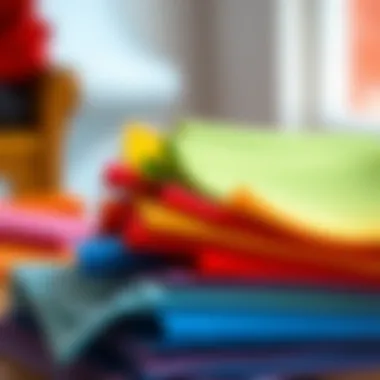
Understanding the foundation of felt picture kits necessitates a closer look at the fabric types involved. Felt, generally made from wool or synthetic fibers, is known for its durability and versatility. The decision between natural and synthetic materials can reveal much about one's crafting philosophy. Wool felt, for example, is cherished for its rich texture and eco-friendliness, while synthetic felt is often more readily available and cheaper, albeit with a larger ecological footprint.
Understanding Different Fabric Types
When diving into felt picture kits, it’s essential to recognize the differences in fabric types. Here’s a brief dive into the common fabric types you might encounter:
- Wool Felt: This is typically made from sheared sheep wool and offers a soft, sustainable option. It’s known for its warm hues and durability.
- Acrylic Felt: Usually more affordable, this type is widely accessible. However, it does not offer the same longevity or texture as wool felt.
- Blended Felt: Manufactured from a mixture of wool and synthetic fibers, this type attempts to strike a balance between affordability and quality.
Each type has distinct applications in felt picture kits, influencing the ease of use and the final appearance of crafted items.
The Lifecycle of Fabrics: From Production to Disposal
The lifecycle of fabrics from production to disposal is a crucial aspect of sustainability and underscores the importance of making informed choices in crafting materials. Fabrics like wool felt require less water and chemicals compared to some synthetic options, making them a more sustainable choice overall.
- Production: Wool, a renewable resource, undergoes processes like shearing, cleaning, and dyeing. Unlike synthetic fibers that derive from petroleum, natural fibers often have a more favorable environmental impact.
- Use: Felt picture kits encourage reuse and recycling by allowing crafters to create and repurpose their designs repeatedly.
- Disposal: Natural felt decomposes more efficiently compared to synthetic alternatives, contributing to a lesser ecological footprint.
Choosing sustainable fabrics reduces environmental harm and, through options like felt picture kits, promotes creativity that respects the planet.
Sustainable Practices
As the crafting community becomes more conscious of environmental issues, sustainable practices are increasingly prioritized. Felt picture kits can play a pivotal role in educating and inspiring crafters about eco-friendly choices and methods.
Eco-Friendly Fabrics and Their Benefits
Utilizing eco-friendly fabrics in felt picture kits is crucial for reducing waste and promoting sustainability. Each fabric choice impacts the environment differently. Here’s why opting for eco-friendly offerings can be beneficial:
- Reduced Carbon Footprint: Fabrics made from organic or recycled materials generally consume fewer resources.
- Non-Toxic: Many sustainable fabrics do not undergo harsh chemical treatments, making them safer for crafters of all ages.
- Economic Value: Supporting eco-friendly brands encourages a market that prioritizes environmental responsibility and sustainable practices.
Tips for a Sustainable Approach
Embracing sustainability in crafting does not have to be difficult. Here are a few simple tips for crafters looking to make environmentally-conscious decisions:
- Choose Natural Fibers: Whenever possible, opt for natural or recycled materials. This supports eco-friendly practices right from the start.
- Repurpose Old Materials: Before starting a new project, consider using leftover materials or items you no longer need in your home.
- Educate Yourself: Stay informed about various fabric options and their environmental impacts to make better choices in your crafting journey.
"Creativity is contagious. Pass it on."
Felt picture kits encapsulate the art of crafting while advocating for sustainable practices that harmonize creativity with responsibility. As more crafters enter this vibrant world, the potential for eco-conscious artistry only continues to grow.
Prelims to Felt Picture Kits
In the realm of arts and crafts, few mediums blend creativity and tactile experience as seamlessly as felt. Felt picture kits are a treasure trove for anyone seeking to dabble in DIY artistry. These kits offer not only the materials but a structured approach to crafting that encourages both beginners and seasoned creators to engage with their artistic side. With an abundance of colors and textures, felt becomes a canvas for expression, inviting users to transform simple pieces into vibrant works of art.
Felt picture kits are designed to inspire creativity and allow people to create meaningful pieces without feeling overwhelmed. Each kit typically includes pre-cut felt shapes, guiding templates, and sometimes, the essential tools needed to bring visions to life. The purpose becomes clear: to foster a sense of accomplishment as one crafts tangible results from a mere assortment of colors and shapes.
Definition and Purpose
Felt picture kits can be described as curated collections of felt material and tools aimed at enabling users to create art pieces with minimal fuss. Unlike traditional crafting where one might start from scratch, these kits streamline the process. The major purpose of these kits is to eliminate the guesswork involved in crafting, allowing users to focus on the act of creation itself. Additionally, they foster important skills in children and adults alike, such as fine motor skills through cutting and assembling, and even patience through the crafting process.
Moreover, the kits can serve as a gateway to broader artistic exploration. Once a person masters basic techniques using these kits, they may feel encouraged to explore further—perhaps engaging in other textile arts or venturing into more complex craft projects. This accessibility democratizes creativity, making it possible for anyone to participate regardless of their artistic background.
Historical Context
The history of felt crafting is as rich as the textures it offers. Felt itself is one of the oldest forms of fabric known to humankind, with roots tracing back thousands of years. Traditionally, it has been used for clothing, hats, and other functional items. However, as time progressed, so did the perception of felt—transitioning from a utilitarian fabric to one embraced in the arts and crafts community.
In recent decades, especially with the rise of the DIY culture — think of the craft boom of the late 20th century — felt picture kits began to emerge as a popular form of art. The kits found a particular niche among educators and parents, as they not only provide a fun outlet for creativity but also a way to teach children about color, shape, and composition in a hands-on manner. This evolution illustrates how felt picture kits are not just a fad; they embody a paradigm shift in how we consume, create, and experience art in our daily lives.
The incorporation of felt into contemporary crafting reflects broader societal changes, such as a growing appreciation for handmade goods and a desire to connect more deeply with our creativity. Today, as sustainability rises in importance, felt picture kits often emphasize eco-friendly materials, ensuring that while we indulge in creativity, we are also considerate of our planet.
"Crafting with felt isn’t just about making a picture; it’s about building connections—with the materials, the process, and each other."
In this exploration of felt picture kits, we’ll uncover their components, techniques, and practical applications, providing insights and inspiration for everyone from aspiring artists to seasoned crafters.
Components of Felt Picture Kits
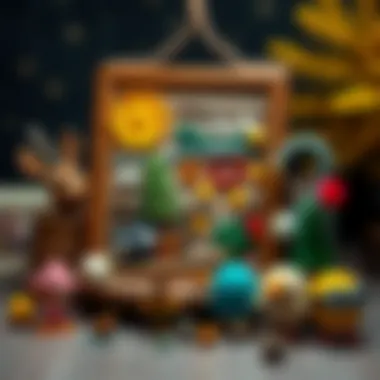
Understanding the components of felt picture kits lays the groundwork for successful crafting. Each element plays a critical role, enhancing the overall experience and outcome. Knowing what makes up these kits can streamline your journey from initial purchase to the creation of artful pieces.
Types of Felt Used
Felt is not just any fabric; it’s the very heart of these kits. The types of felt can vary widely, each bringing its unique properties and aesthetic to the table. Most commonly, you’ll find synthetic and wool felt in felt picture kits.
- Synthetic Felt: This type is often made from polyester or acrylic. It’s durable and easy to work with, making it ideal for beginners. Plus, it comes in many vibrant colors, which can make any creation pop.
- Wool Felt: This material has a softer touch and a more luxurious appearance. Often thicker than synthetic options, wool felt provides a rich texture that can add depth to your designs. It’s favored among more experienced crafters for its natural look and feel.
"The choice of felt can truly make or break your crafting experience. Each type offers distinct advantages that cater to different artistic needs."
Essential Tools and Materials
Alongside felt, having the right tools and materials is essential for turning your ideas into tangible pieces. Here’s a rundown of what you’ll need to consider:
- Scissors: A sharp pair is crucial for clean cuts. Whether you're doing simple shapes or intricate designs, a good pair of scissors can save time and frustration.
- Glue: Fabric glue or hot glue can secure layers together seamlessly. The adhesive not only bonds materials but also withstands the test of time as you display your artwork.
- Needles and Thread: If edging or adding details is on your agenda, sewing is a finesse technique to master. Choose threads that match your felt in color to keep things neat.
- Templates: Having pre-made templates can simplify complex shapes. This way, you can focus on the fun part rather than worrying about your design’s integrity.
When you gather these components, remember that each plays a part in your overall crafting process. The synergy between the types of felt and essential tools sets the stage for creativity to thrive, prompting you to turn mere materials into impressive works of art.
Creating Art with Felt Picture Kits
Creating art with felt picture kits is essential for those who wish to explore their creative side without the intimidation that often accompanies traditional art forms. These kits present a unique opportunity for individuals of varying ages and skills, allowing for the expression of creativity in a way that is accessible and rewarding. They can be a gentle introduction to crafting, blending the complexities of art with the simplicity of craft.
One of the primary benefits of using felt picture kits is that they often come with pre-cut shapes and easy-to-follow instructions, reducing the overwhelming aspect of starting from scratch. This structured approach appeals to many crafters, especially those who may not consider themselves artists in a conventional sense. Moreover, the tactile nature of felt allows for experimentation. Its softness and varied textures inspire playful interaction and exploration.
The use of vibrant colors and the possibility of layering fabrics enables creative expression that can evoke emotions or tell stories. This creates a personal connection between the artist and their work, enhancing the crafting experience.
Step-by-Step Guide to Using Kits
- Gather Your Materials: Ensure you have your felt picture kit, a pair of scissors, and any other tools suggested in the instructions.
- Set Up Your Workspace: Choose a comfortable area where you can spread out your materials. This is important for aiding concentration and enhancing your creativity.
- Follow Instructions: Begin with the provided templates. Cut out the shapes carefully, adhering to any guidelines that might be included in your kit.
- Arrange Your Pieces: Before securing anything in place, experiment with the layout. Play around with how the pieces interact visually with each other.
- Secure the Fabrics: Depending on your kit, use either sewing or gluing techniques to assemble your piece. Ensure that all edges are secure, and finish your art with any additional embellishments if desired.
- Display Your Work: Once finished, find a spot to showcase your creation! Whether this is hanging it on the wall or gifting it to a friend, sharing your art brings joy.
Exploration of Techniques
Cutting Techniques
Cutting techniques are fundamental in felt crafting, as the precision of the cut directly influences the final appearance of the artwork. Using sharp scissors or rotary cutters can yield cleaner edges, leading to a polished look. One can opt for intricate designs, adding complexity to their projects. Key advantages of cutting techniques include:
- Precision: Enabling intricate designs
- Control: Allowing artists to dictate the outcome
However, poorly executed cuts can lead to jagged edges, which can detract from the overall aesthetic. Thus, practicing cutting skills is vital for anyone new to felt crafts.
Sewing vs. Gluing
Sewing and gluing are the principal methods of assembling felt pieces. Sewing offers a notable durability and often results in cleaner finishes. Conversely, gluing is faster and requires less skill, making it appealing for beginners.
Key characteristics include:
- Sewing: Takes time but can produce a long-lasting piece
- Gluing: Instant and forgiving, perfect for quick projects
Considerations should be made regarding the type of glue used, as certain adhesives can weaken over time or fail if exposed to moisture. Choosing the right method often depends on the durability required and the maker’s skill level.
Layering and Texturing
Layering and texturing techniques are where creativity really shines with felt. Layering involves placing multiple layers of felt on top of each other, which can create depth and a three-dimensional quality. Texturing might involve techniques like fraying edges or using specialty fabrics that offer various feels.
Key features include:
- Depth: Adds visual intrigue
- Variety: Different textures can evoke different feelings
Incorporating layering can make a piece stand out, while also posing challenges, like ensuring that layers adhere properly. But the end result often justifies the effort, showcasing a vibrant and dynamic piece of art.
In the world of felt crafting, the journey is as valuable as the completed project. Each step taken towards creating art is a step towards personal growth and creative confidence.
In summary, employing techniques like cutting, sewing, gluing, layering, and texturing not only enriches the crafting experience but also enhances the final product. Whether for educational purposes, personal enjoyment, or community engagement, felt picture kits serve as potent tools for artistic expression.
Applications of Felt Picture Kits
Felt picture kits are like a versatile toolbox for creativity, offering a myriad of applications that go beyond mere crafting. They serve as a fantastic avenue for practical use in both educational settings and home projects. The blend of art and craft found in these kits fosters numerous benefits, ranging from enhancing fine motor skills to creating personalized decor. Overall, the implications of felt picture kits resonate deeply, both in classrooms aiming to provide hands-on learning experiences and among individuals bringing bespoke charm into their homes.
Educational Use in Schools
Arts and Crafts Curriculum
In the context of an arts and crafts curriculum, felt picture kits do not just make the cut—they redefine it. The colorful and tactile nature of the felt material allows students to engage in a hands-on way, which is key for learning at a young age. While traditional art supplies often take the form of paints or crayons, felt kits bring a three-dimensional aspect into play, allowing for texture exploration, which is vastly different from flat surfaces.
One remarkable feature of the arts and crafts curriculum using felt is its capacity to enhance collaboration. When students work on projects together, they not only learn from their peers but also develop crucial social skills. This cooperative environment often leads to a sense of accomplishment that resonates well beyond the classroom.
However, one potential downside is that not all students may be familiar or comfortable with felt as a medium. Some may find it less intuitive than drawing or painting. But, this can serve as an opportunity for growth, challenging students to explore new forms of expression.
Cognitive Development
The influence of cognitive development through felt picture kits is significant for students, especially in early childhood education. These kits emphasize hands-on learning, making abstract concepts tangible and understandable. When children manipulate the felt pieces, they cultivate spatial awareness and enhance problem-solving skills. This process encourages them to think critically about their designs and the ways to assemble them.
A key trait of cognitive development through these crafty endeavors is the development of fine motor skills, which are foundational in a child’s learning journey. By pressing, cutting, and combining various shapes, children's dexterity sharpens, fostering confidence in their abilities—something that will be beneficial in many aspects of life.
Nevertheless, one must keep in mind that the complexity of the projects can vary widely. For some students, particularly those with learning disabilities, intricate designs could pose a challenge. Facilitating a supportive environment and providing guidance can make a world of difference.
Home Crafting Projects
Decorative Wall Art
In the realm of home crafting, decorative wall art created from felt picture kits adds a personal touch that is often hard to come by with store-bought items. The beauty of this type of art is its ability to reflect individual taste and creativity. Whether it’s a vibrant scene of nature or an abstract design, each piece can speak volumes about the personality of its creator.
What sets decorative wall art apart is its adaptability. You can easily match the themes to the seasons, holidays, or even personal milestones. This flexibility appeals to those who are keen on creating a dynamic atmosphere in their spaces. Plus, crafting these pieces can be a meditative process, allowing crafters to express their emotions and thoughts visually.
Yet, it’s worth mentioning that these DIY projects can often require a certain level of commitment. Depending on the complexity of the design, individuals might be deterred by time constraints or perceived difficulty. But with clear instructions and patience, many find the journey immensely rewarding.
Custom Gifts
Custom gifts made from felt picture kits are a heartfelt alternative to standard options found in stores. They carry a personal message and show effort and thoughtfulness that mass-produced items just can’t compete with. Creating unique gifts, whether it's a personalized ornament or a themed picture frame, not only brings joy to both the giver and receiver but also strengthens connections between individuals.
One distinct feature of custom gifts is their capacity to celebrate personal narratives. Incorporating elements that reflect shared memories or inside jokes adds layers of depth that a generic gift lacks. Furthermore, this practice of thoughtful gifting can teach individuals about the importance of sentimentality and thoughtfulness over consumerism.
On the flip side, crafting personalized gifts may sometimes become a chore under time pressure, particularly around holidays or special occasions. Missing a deadline could make the gift feel obligatory rather than personal. But for those who enjoy the act of creation, this challenge often transforms into an opportunity for bonding and shared experiences.
Benefits of Using Felt Picture Kits
Felt picture kits have surfaced as a multifaceted tool in the crafting world, benefiting individuals beyond just creating visually appealing art. These kits not only serve as educational tools but also offer a means for personal development. In this section, we will dive into the pivotal assets of using felt picture kits, from enhancing creativity to promoting mindfulness.
Enhancing Creativity
When it comes to igniting the creative spark, felt picture kits are like a springboard into a world ripe for imagination. They provide the materials and framework needed for artists of all levels, whether they're seasoned pros or just dipping their toes into the craft. With a symphony of colors, textures, and shapes, one can experiment without the pressure that often comes with a blank canvas.
Felt allows for a multitude of artistic expressions:
- Layering: Different heights and textures can give depth to creations.
- Color Mixing: Pairing bright colors with pastel hues leads to sometimes unexpected but stunning outputs.
- Events and Themes: Designing pieces around holidays or personal milestones can transform a simple project into a unique keepsake.
When users manipulate felt pieces, they engage in problem-solving—choosing how colors interact or how different shapes fit together. This hands-on approach fosters an environment where mistakes can be celebrated as part of the process. The tactile nature of felt also invites spontaneity; you might find yourself altering paths mid-project, which often yields the most delightful surprises.
Promoting Mindfulness
Engaging with felt picture kits offers more than just a creative outlet—it can also serve as a path to mindfulness. The repetitive motions of cutting, gluing, or sewing can slow the mind chatter down, allowing a sense of tranquility to wash over you. It’s akin to meditation for some, where focusing entirely on the present moment becomes second nature.
Crafting with felt compels one to be in the here and now. As you manipulate the fabric, attention is naturally drawn to the texture, the colors, and the shapes, creating a flow state where worries about the past or future slip away. Through this process, the potential psychological benefits can include:
- Stress Reduction: Channeling energy into creation can alleviate daily stresses and anxieties.
- Enhanced Focus: Investing time into these kits can sharpen one's ability to concentrate, even outside the realm of crafting.
- Sense of Accomplishment: Completing a project can foster pride and self-assurance, reinforcing a positive self-image.
"Crafting with felt is like giving your mind a mini-vacation. The simple act of creating pulls you into a steady rhythm, fostering peace and clarity away from the hectic pace of life."
Eco-Friendly Considerations
In today's world, where sustainability is becoming non-negotiable, felt picture kits are carving out a unique niche in the crafting universe. Craft enthusiasts are increasingly seeking materials and processes that honor both the environment and their creativity. Felt picture kits, with their colorful offerings and tactile appeal, serve as an avenue not just for artistic expression but also for eco-conscious crafting.
Sustainable Materials in Felt Production
One of the standout features of felt picture kits is their origins in sustainable materials. Traditional felt is commonly made from sheep's wool. Wool, inherently biodegradable and renewable, has a relatively low ecological footprint when sourced responsibly. However, this isn't the only option available.
Today, a range of eco-friendly felt alternatives exists, made from recycled plastics or even organic cotton. For instance, brands like Kunga and Eco-Felt utilize post-consumer plastic bottles to create their felt, turning potential waste into tools for creativity. This not only provides an appealing texture but also minimizes the impact on landfills, keeping plastics out of the environment and extending the lifecycle of materials. This movement towards sustainable materials ensures that crafters can indulge in their passion without putting a heavy toll on nature.
By choosing felt made from renewable and recycled resources, artists can directly contribute to a more sustainable crafting ecosystem.
Recycling and Upcycling with Felt
In addition to the materials themselves, the approach to felt in crafting can be transformed through recycling and upcycling. Felt picture kits encourage crafters to think beyond the initial use of the material.
Recycling old garment pieces or fabric scraps into new felt projects is a great way to give life to items that might otherwise stay tucked away in closets. Felt lends itself beautifully to upcycling; you can slice up old sweaters or jackets to create new felt shapes or embellishments for your projects. The result often bears a charm that new fabric simply can't match.
Moreover, this practice nurtures creativity and resourcefulness. Artists can mix colors, textures, and even patterns from their upcycled materials, creating truly unique works of art. This not only stands as an opportunity for personal expression but also aligns perfectly with modern sustainability trends that favor reducing waste and enhancing environmental responsibility.
"Recycling and upcycling in craft allow not just for the preservation of materials, but also for the preservation of ideas and creativity."
Thus, by integrating these practices into the crafting process, felt picture kits not only provide a canvas for creativity but also promote a culture that values and respects the environment. This duality of crafting, where art meets sustainability, is indeed a crucial aspect in the ever-evolving landscape of contemporary art and crafting.
Comparative Analysis with Other Craft Kits
In the realm of craft kits, felt picture kits carve a unique niche, intertwining creativity with everyday materials. This section explores how these kits compare with others available, emphasizing their distinct features and benefits. To understand felt picture kits better, we must consider how they stack up against more traditional options, such as sewing kits and other textile arts.
Comparison with Sewing Kits
When diving into sewing kits, one might instantly think of intricate patterns and layers of fabric combined in a tapestry of colors. While both felt picture kits and sewing kits encourage creativity, they cater to different skill levels and purposes. Felt kits are often more accessible for beginners.
- Ease of Use: Felt tends to be forgiving. Unlike delicate fabrics that fray or stretch, the stable nature of felt allows even novice crafters to create cohesive pieces without the fear of ruining material.
- Minimal Tools Required: Most felt picture kits include everything needed to start — from pre-cut pieces to adhesives. In contrast, sewing kits may demand a variety of tools like needles, threads, and scissors that are often not included.
One might think felt projects are all fluff and no substance. However, they can produce surprisingly intricate designs that make them stand out — a point to ponder when selecting materials for your project. The creative flexibility found in felt allows users to experiment with layering, reinforcing the kits' appeal across age groups and skill levels.
Positioning Among Other Textile Arts
Felt picture kits don't just compete against sewing kits; they also interact with a broader spectrum of textile arts. In a way, they serve as a bridge between various crafting disciplines, connecting sewing, embroidery, and collage art. Let's break down their positioning in this fascinating universe:
- Textural Versatility: Felt can be layered, sewn, or glued, allowing for dynamic creativity. It offers more textural variations than typical sewing projects might present.
- Accessibility to the Masses: Many textile arts require years of practice to master. Felt crafting is often seen as more straightforward, making it ideal for parents and educators introducing arts to kids.
- Educational Value: Given its simplicity and versatility, felt crafts make excellent educational tools, teaching skills in design and fine motor functions without overwhelming newcomers. This provides them a firmer place in educational settings compared to more complex textile arts.
"Felt picture kits are not just a pastime; they are a gateway into the expansive world of textile arts, making crafting both enjoyable and accessible."
In summary, the comparative analysis with other craft kits points towards felt picture kits’ capacity to engage a wide audience while offering unique creative pathways. For those interested in diving deep into various textile forms or for novices wanting to explore their artistic inclinations, felt kits provide a compelling choice with rich potentials.
For those seeking more insights, consider visiting Wikipedia for a broader perspective on felt art, or check out community discussions on Reddit that can enrich your crafting experience.
Felt Picture Kits in Contemporary Art
Felt picture kits have carved out a unique niche within the contemporary art scene, intertwining creativity with tactile expression. These kits not only present opportunities for artists and crafters to experiment freely but also serve as a platform for discussions surrounding accessibility and ecological sustainability in art-making. They hold enough heft in today’s creative landscape to warrant serious consideration among artists as tools for innovation and expression.
Emerging Artists and Their Work
In recent years, a new wave of artists has embraced felt picture kits as a medium to explore both personal and societal themes. Take, for instance, the work of British artist Janet Clare, who incorporates felt to create intricate landscapes that evoke nostalgia. Her pieces often touch on the subject of memory and belonging, visibly drawing the viewer into her world that straddles the line between art and craft.
Likewise, emerging artist Vicki rawlinson has begun using kits to delve into community narratives. Her pieces reflect local stories, interweaving fragments of community members’ experiences into beautiful felt tapestries. These artists challenge conventional notions of what it means to be an artist, as they use accessible materials that open up the art-making process to a larger audience. The beauty of their work lies not just in aesthetics but in the connections they forge through the process of creation.
"Art is no longer confined to galleries. It has found its home in the living spaces, in the hands of those who dare to create."
Exhibitions and Community Engagement
Felt picture kits have sparked various exhibitions that highlight both individual and collective works. Art shows showcasing such kits often encourage community participation, inviting attendees to not just observe but also create alongside featured artists. Events like the Felt Fest, held annually in different cities, provide a vibrant platform for artists and the public alike to create collaborative pieces, celebrating both the medium and its artistic potential.
Moreover, community workshops often accompany these exhibitions, where locals can explore their artistic instincts guided by experienced crafters. This degree of accessibility is vital; it ensures that anyone—regardless of their experience level—can engage with art in a meaningful way. Workshops not only empower individuals but also foster a sense of community, knitting bonds between participants as they work together to create felt artwork.
With the integration of social media, these gatherings can extend far beyond the physical realm. Artists and crafters frequently share their experiences on platforms like Instagram and Facebook, forming supportive online communities that inspire and motivate others to join the felt crafting movement.
In summary, felt picture kits are more than mere crafting tools; they are catalysts for artistic expression and community building. As they gain traction among contemporary artists, they continue to reshape the landscape of both art and craft, offering a refreshing perspective on creativity in our times.
Challenges in the Crafting Process
Engaging with felt picture kits offers a fun and creative outlet, but it is worth noting that every venture comes with its share of hurdles. Understanding these challenges can help crafters—from beginners to seasoned professionals—navigate the workflow with more confidence. As we delve into this topic, it becomes apparent that the common pitfalls and solutions not only enhance the crafting experience but also bolster one’s skills long term.
Common Mistakes to Avoid
Even the most enthusiastic artist can fall prey to mistakes that derail a project. Here are some frequent blunders:
- Choosing Incompatible Materials: Not all felts behave the same way. Some are too thick for intricate cutting, while others may fray easily when handled. Make sure to test your materials to find out which works best for your design.
- Neglecting to Plan: Jumping into a project without a clear blueprint may lead to confusion later. It's advisable to sketch your ideas on paper before committing to cuts and stitches.
- Rushing the Process: Crafting is not a sprint but a marathon. Hurrying through tasks can lead to unsatisfactory results, like uneven edges or poorly secured pieces. Taking your time ensures quality workmanship.
- Skipping Safety Measures: Mistakes can also pop up if safety isn't prioritized—like using sharp tools without proper care or not keeping workspaces tidy. An ounce of prevention is worth a pound of cure, as they say.
Tips for Overcoming Difficulties
Sometimes barriers can feel formidable, but there are ways to sidestep potential issues. Here’s a rundown of strategies:
- Preparation is Key: Gather all materials and tools before starting. This will cut down on distractions and foster a smoother workflow.
- Practice Makes Perfect: Don’t hesitate to practice new techniques on scrap pieces of felt before diving into your main project. This not only builds confidence but can also lead to unexpected discoveries about the medium.
- Utilize Online Resources: There are abundant tutorials and forums available where seasoned crafters share their insights. Websites like Reddit or dedicated crafting communities can provide valuable tips and troubleshooting advice.
- Set Realistic Goals: Break your project down into manageable steps. This way, every small victory builds momentum and reduces feelings of overwhelm.
Crafting is about embracing the journey as much as the finished product; don’t let challenges deter you.
In the realm of felt picture kits, challenges are simply stepping stones on the path to mastery. By recognizing common mistakes and implementing practical solutions, every crafter can grow through the experience, making each project a rewarding adventure.
The End: The Lasting Impact of Felt Picture Kits
Felt picture kits represent more than just a collection of materials; they embody a unique blend of creativity and expression that transforms the crafting experience into something profound. As we wrap up our exploration of these kits, it’s important to acknowledge the multifaceted impact they have on both individual users and the broader artistic community.
Reflection on Personal Growth
Engaging with felt picture kits often sparks a journey of personal growth. Individuals find themselves not only developing practical crafting skills but also nurturing their creative instincts. Many enthusiasts reflect upon their initial, perhaps hesitant attempts and recognize how these kits have encouraged them to think outside the box. From the moment one snips that first piece of felt to layering textures that convey an intended emotion, the process is laden with opportunities for self-discovery.
When one chooses colors or decides on imagery, it becomes a mini-therapy session, revealing hidden preferences and personal aesthetics. Just think about how many times creators have shared their triumphs of completing a project that speaks to who they are. Each felt creation can tell a story of perseverance or inspiration, molding the artist along with each laid felt piece.
Future Trends in Felt Crafting
As we gaze into the crystal ball of crafting, it's evident that felt picture kits are poised to evolve in intriguing ways. With advancements in technology, we might see more interactive kits that incorporate augmented reality or online tutorials, allowing crafters to explore new dimensions of their projects. The integration of non-toxic, eco-friendly materials creates an exciting avenue where environmental consciousness intersects with creativity.
A trend worth noting is the rising popularity of themed kits—such as seasonal or culturally inspired designs— that cater to diverse audiences. This aspect not only preserves tradition but also invites new generations into the fold of felt crafting. Moreover, collaborations with artists and designers are likely to bring fresh perspectives to these kits, incorporating elements from both modern art trends and classic techniques.
Additionally, a community-driven approach may emerge, leveraging social media platforms to foster connections among crafters. Sharing ideas, challenges, and successes in real-time opens doors for collaboration and innovation, perhaps leading to a renaissance in felt artistry. Such connections make individuals feel supported, promoting an ecosystem where everyone can thrive in their creativity.