Exploring the Cut Out Tie Back Dress: A Comprehensive Guide
Intro
In the world of fashion, styles evolve like a flowing river. New designs come forth, gain traction, and sometimes fade just as quickly. One such design that has made waves recently is the cut out tie back dress. This garment not only offers a fresh take on traditional silhouettes but also showcases a blend of creativity and functionality. As it becomes a staple for many wardrobes, it’s essential to understand its origins, design intricacies, and how to style it effectively. More importantly, the principles of sustainable fashion have become a salient topic, making it necessary to consider how the fabrics we choose contribute to the story of these unique dresses.
With this guide, we aim to explore these various aspects surrounding the cut out tie back dress. From fabric education—understanding the qualities of materials that make the dress work—to sustainable practices that give respect to our planet, this article seeks to provide comprehensive insights for both fashion enthusiasts and seasoned designers.
As we journey through the analysis, the intersection of style and responsibility can no longer be overlooked. The implications of our choices resonate far beyond our closet doors. Let’s dive in and discover what makes the cut out tie back dress a significant piece in the contemporary wardrobe.
Prologue to the Cut Out Tie Back Dress
The cut out tie back dress has carved a niche for itself in today’s fashion landscape, becoming a symbol of contemporary style and innovative design. At first glance, this dress may seem like just another addition to wardrobe staples, but a closer look reveals its deeper significance. With its unique blend of structure and fluidity, the dress offers a canvas where creativity meets wearability.
Fashion enthusiasts are drawn to this piece not just for its aesthetic appeal but also for its versatility. The cut out designs strategically placed on the bodice and the charming tie back mechanism elevate the conventional dress into something that sparks conversation. It provides a refreshing twist that allows wearers to express their individuality while maintaining a sophisticated style.
Key Elements
Exploring the cut out tie back dress incorporates several important elements:
- Design Balance: This dress balances revealing elements with elegance, ensuring that it's both alluring yet tasteful.
- Versatile Styling Potential: Its adaptability makes it suitable for various occasions, from a casual day out to a formal event, allowing for endless styling possibilities.
- Comfort with Chic: With the right fabric choices, the dress is not only fashion-forward but also comfortable for all-day wear.
Understanding these elements is vital as they bring relevance to discussions about innovative clothing. For designers and fashion lovers alike, this dress encourages a dialogue about how design can reflect and shape current trends while also providing room for personal expression.
In the following sections, we will delve deeper into the historical context surrounding this garment, highlighting its origins and the evolution of cut out designs in fashion. This exploration will set the stage for a richer understanding of the cut out tie back dress's role in contemporary wardrobes.
Historical Context
Understanding the historical context of the cut out tie back dress is crucial for appreciating its significance in modern fashion. This particular garment not only showcases innovative design but also reflects the changing societal norms and aesthetic preferences over time. By tracing the origins and evolution of cut out designs, readers can gain insights into the cultural influences that shaped contemporary trends.
Origins of Cut Out Designs
The concept of cut out designs has tantalizing roots that stretch back centuries. Initially, garments featuring cutouts can be spotted as far back as ancient civilizations. For instance, the ancient Egyptians adorned their dresses with alluring cutouts, often used to enhance the drapery of linen and showcase the beauty of the human form. This practice signified wealth and status, an element that still resonates today.
In the more modern sense, the cut out trend reemerged in the mid-20th century when designers began experimenting with asymmetrical shapes. The 1940s and 50s saw couturiers play with peek-a-boo strategies; they started to integrate cutouts in formal and casual wear, allowing for both comfort and chicness in silhouette. From these early ventures, the cut out design has evolved significantly, often reflecting newfound freedoms in fashion, especially for women. Fashion icons like Marilyn Monroe popularised these styles, making them a staple in their wardrobes.
Evolution in Fashion Trends
Fast forward to recent years, the cut out tie back dress has seen a resurgence as designers merge traditional craftsmanship with modern aesthetics. The late 20th century brought about a shift towards individual expression and liberated styles, paving the way for experimental designs. The incorporation of cutouts in garments became a bold statement, illuminating the notion of individuality.
Nowadays, fashion houses are blending innovative textiles with intricate cut out styles, creating eye-catching yet versatile pieces. The rise of athleisure significantly contributed to the popularity of this design; sporty cutouts combined with casual dressing became pivotal in the wardrobes of many. Furthermore, social media has played a pivotal role in shaping trends. Influencers showcasing diverse body types in cut out dresses have made them accessible to a wider audience, promoting the notion of body positivity and inclusivity in fashion.
The cut out tie back dress serves not just as a fashion statement but also as a narrative of empowerment and self-expression.
Whether traced back to ancient civilizations or modern bustling fashion scenes, the cut out design has always been about pushing boundaries, inviting a conversation about form, function, and the evolving world of style.
Key Features of the Cut Out Tie Back Dress
When it comes to the cut out tie back dress, its distinctive characteristics truly set it apart in the ever-evolving world of fashion. This section aims to highlight these key features, emphasizing their role in both the garment's aesthetic and functionality. Understanding these design elements can help enthusiasts and designers alike appreciate the ingenuity behind this style.
Design Elements
Cut Out Patterns
A significant aspect of cut out patterns is the way they contribute to a person's silhouette. They often create an illusion of length and can emphasize a certain area of the figure, such as the waist or hips. The key characteristic of cut out patterns lies in their strategic placement; it draws the eye to specific areas while allowing for a unique play of skin and fabric.
This distinctive feature makes cut outs a popular choice for those looking to add a hint of allure without sacrificing elegance. However, it does come with its own set of challenges. Depending on how daring the designs are, some people may feel uncomfortable wearing them due to the exposure involved. Yet many find this to be a refreshing break from more traditional styles, offering a beneficial option particularly for warmer temperatures by enhancing breathability while still looking stylish.
Tie Back Mechanism
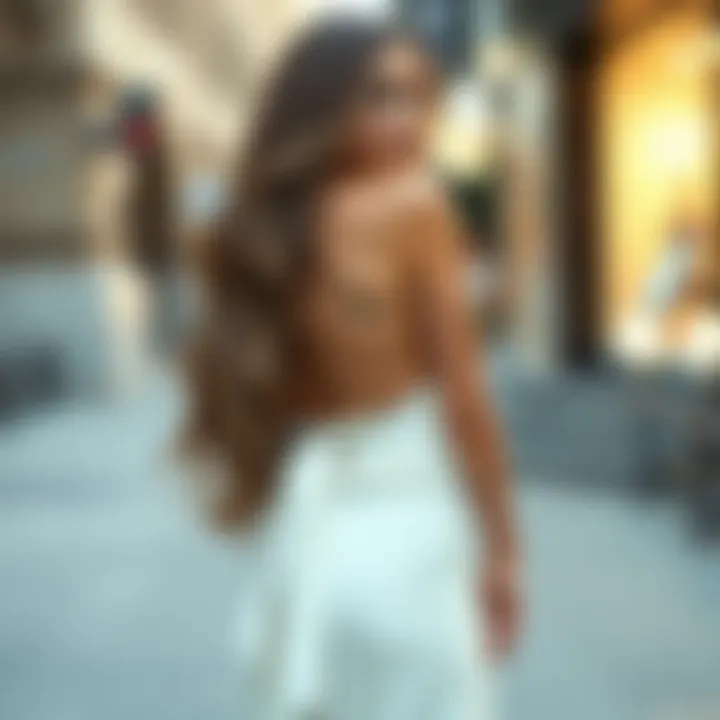
The tie back mechanism is another integral feature of this dress style. This design provides an adjustable fit, allowing wearers to customize the tightness around the bodice, which in turn influences comfort levels. The key characteristic of the tie back mechanism is its versatility. Not only does it make the dress more adaptable for various body shapes, but it can also be used to make a fashion statement by choosing contrasting or complementary ties.
This unique feature adds a playful element to the dress, making it suitable for both casual and formal occasions. However, one should consider the practicality of this mechanism—if not tied correctly, it could lead to wardrobe malfunctions or discomfort. Careful attention to the tie can enhance both the fit and the appearance, making it crucial for wearers to take their time in tying it up.
Variations in Style
Length and Silhouette
When discussing variations in length and silhouette, one finds a wealth of options within the cut out tie back dress category. From floor-length gowns to flirty mini dresses, these choices offer something for everyone. The key characteristic here is how length affects not just style but also the context in which a dress can be worn. Longer silhouettes often lend themselves to more formal settings, while shorter options can exude a more casual vibe.
One might appreciate the beneficial variety this offers in terms of occasions; a knee-length version paired with cute sandals can work well for brunch, while a long, flowing dress can be breathtaking for evening affairs. On the downside, the choice of length can limit styling options; for instance, a short dress might be more challenging to pair with certain outerwear in colder climates.
Neckline Types
Neckline types further differentiate the cut out tie back dress. From plunging V-necks to more conservative boat necks, each style has its unique charm. The key characteristic of neckline types is their ability to frame the face and upper body, contributing significantly to the overall style of the dress. A plunging neckline may project confidence and boldness, making it ideal for evening events, while a boat neckline can evoke a sense of grace and sophistication suitable for formal occasions.
While experimenting with various necklines can offer benefits such as enhancing personal style or influencing perceptions, it also comes with certain disadvantages, especially in terms of fit and support. For example, a deep V-neck may require careful attention to undergarments, which could complicate the dressing experience.
In summary, understanding these major components of the cut out tie back dress can equip fashion enthusiasts and designers with the insights to navigate this stylish yet complex garment. By paying close attention to design elements, variations in style, and their implications for wearability and aesthetic appeal, one can fully appreciate the cut out tie back dress for its creative potential in the world of fashion.
Materials Used
The choice of materials for the cut out tie back dress plays a crucial role in determining its overall aesthetics, comfort, and longevity. The interplay of fabric can make or break the appeal of this unique garment. What’s beneath the surface often influences how the dress drapes, moves, and retains its shape. Therefore, understanding the types of materials used in its construction offers insights into not only the design but also the sustainability practices behind it.
Fabric Choices
Natural Fibers
Natural fibers, such as cotton, linen, and silk, often reign supreme in the realm of fashion. One of the primary advantages of these materials is their breathability; they allow air to flow through, which is particularly important in warmer climates. Cotton, for example, is not only soft to the touch but also possesses high absorbency, thus ensuring comfort throughout the day.
- Key Characteristics: Natural fibers are biodegradable and typically produced with fewer chemicals than their synthetic counterparts.
- Benefits: Wearing a dress made of these materials can enhance comfort and provide a feeling of connection to nature. Natural fibers also tend to have a classic appeal that remains timeless, making them a favorable option for a variety of occasions.
However, one drawback can be their susceptibility to wrinkles and shrinking. For instance, a cotton cut out tie back dress may require more frequent ironing compared to one crafted from synthetic materials. Additionally, these fabrics often demand specific washing protocols to minimize wear and tear.
Synthetic Options
Conversely, synthetic options like polyester, nylon, and spandex have carved out their niche in the fashion industry. These materials are valued for their durability and versatility. A cut out tie back dress made from a blend of polyester and spandex can offer stretch and structure, which helps in maintaining its silhouette.
- Key Characteristics: Synthetic fabrics are often wrinkle-resistant and hold their shape much better than natural fibers.
- Benefits: They tend to dry quickly, making them ideal for those who are always on the go or for occasions that might involve some splashing around.
However, synthetic options can sometimes feel less breathable, which might be less comfortable in hot weather. Additionally, the production of synthetic materials often involves significant energy consumption and chemical usage. This environmental footprint has led to a growing call for more eco-friendly materials in fashion design.
Impact on Comfort and Fit
When it comes to the comfort and fit of the cut out tie back dress, the choice of material is paramount. Natural fibers typically provide a relaxed fit that allows for easy movement, ideal for casual outings. In contrast, synthetic fabrics may offer a sleek, form-fitting profile that hugs the body in all the right places, suitable for more formal events.
The fit also often translates to the way the fabric interacts with the body's movements. A lightweight cotton blend may drape beautifully while ensuring breathability. On the other hand, a structured polyester blend might lend itself to sharper lines and a polished look.
Consideration must also be given to how these materials react to washing and care. Natural fibers may shrink if not treated properly, while synthetics resist fading and can handle a more vigorous cleaning process. Thus, understanding these aspects assists fashion enthusiasts and designers in making informed choices about their wardrobe investments.
Styling the Cut Out Tie Back Dress
The way we style the cut out tie back dress can make or break the whole outfit. This unique piece has inherent versatility, and knowing how to style it effectively can elevate your wardrobe to new heights. Styling isn't just about looking good; it’s about fitting the garment to different scenarios and expressing personal taste. Hence, having a thoughtful approach to styling can really showcase the dress while allowing one to shine without overwhelming the design.
Occasion-Based Styling
Casual Settings
When dressing down the cut out tie back dress for casual settings, think comfort blended with a touch of flair. Perfect for anything from brunch to weekend outings, the casual approach allows for more relaxed fabric choices and laid-back accessories. Here, the emphasis is on selecting breathable materials that give an easy-going vibe, such as cotton or jersey blends. Often, these dresses in casual settings sport lighter colors or playful prints that encapsulate the carefree spirit.
In this context, layering can be a great plus. A denim jacket or light cardigan can add dimension to the outfit while keeping it chic. Casual footwear, like canvas sneakers or simple sandals, align perfectly with this vibe. The benefit is that it’s both approachable and stylish, allowing one to feel comfortable while still making a statement. Though, one must be careful not to overshadow the dress's uniqueness; overdoing casual can risk looking too plain.
Formal Events
In stark contrast, when it comes to formal events, the cut out tie back dress can transform into an elegant staple. Swapping out casual fabrics for more glamorous options like silk or chiffon can instantly enhance the overall look. The clean lines and cut out features of the dress draw the eye and create an aura of sophistication, making it ideal for evening affairs, weddings, or gala events.
In formal settings, accessorizing becomes crucial. Think about statement heels and opulent jewelry—these elements enhance the dress while maintaining a polished appearance. Opting for dark or jewel tones can add depth and richness, conveying a refined elegance that’s undeniably appropriate for more upscale outings. The main drawback here might be the need for proper fit and tailoring; if not well-fitted, the cut out designs might not have the desired impact. It's vital to choose accessories that complement rather than clash with the dress's distinctive features.
Accessorizing
Jewelry Considerations
Jewelry can act as the cherry on top for any outfit, and with the cut out tie back dress, careful selection takes on a pivotal role. In casual settings, sticking to minimal jewelry can accentuate the simplicity of the dress's design—think delicate necklaces or simple hoop earrings that don't compete with the dress’s cut out features.
For more formal events, the stakes change. Here, one can afford to indulge in bigger, bolder pieces, perhaps layering textured bangles or statement earrings that draw attention to the neckline. The right jewelry can transform the overall ambiance, making it essential to blend pieces that complement the dress's aesthetics. However, one must also be wary of overwhelming the dress; an overloaded look could detract from the fashion statement intended.
Shoe Selection
Choosing the right shoes is integral to styling the cut out tie back dress. In a casual environment, flat shoes or chic sneakers provide ease—allowing movement without fuss. The key characteristic here is casual comfort, enabling one to navigate through the day without any second thoughts.
When dressing up for formal occasions, shoe selection shifts dramatically. A pair of high heels accentuates the elegance of the dress and elongates the legs, contributing to an overall polished look. Strappy sandals or pointed-toe pumps are great choices here. One unique feature is the way the right shoe can elevate the ensemble, making even a simple dress radiate sophistication. Nevertheless, comfort should never be entirely disregarded, particularly when attending events lasting several hours. Striking a balance between glamour and comfort is essential to truly enjoy the outfit.
In summary, understanding how to style the cut out tie back dress for both casual and formal occasions ensures versatility and enhances one’s fashion expression. By thoughtfully selecting accessories and shoes, the dress remains the centerpiece while one's personal aesthetic shines through.
Care and Maintenance
The longevity of a cut out tie back dress greatly depends on how well it is cared for and maintained. Understanding the nuances of this process helps fashion enthusiasts and designers preserve the garment’s structural integrity and aesthetic appeal. Proper care not only enhances durability but also enables the wearer to make the most of their investment, ensuring that the dress looks pristine for years to come.
Washing Guidelines
When it comes to keeping your dress in tip-top shape, washing is where many tend to err. Ensuring that you treat the fabric with respect is vital. Here's a rundown on how to do it:
- Check the Care Label: Always start by reading the care label attached to the dress. Each fabric has its own set of rules.
- Use Cold Water: Most dresses, especially those made from delicate materials like chiffon or silk, benefit from a cold water wash. Hot water can lead to shrinking or fading.
- Gentle Cycle: If using a washing machine, opt for the gentle cycle to minimize wear and tear.
- Mild Detergent: Utilize a mild, biodegradable detergent. This helps maintain the vibrancy of the colors and prevents damaging the fibers.
Instead of tossing it in the dryer— which can warp the shape— consider air-drying. Lay it flat or hang it, depending on the style, to let it dry naturally. This ensures no accidental distortions from heat.
"A well-cared-for dress tells a story of elegance and commitment to style."
Storage Recommendations
Once clean, storing your cut out tie back dress properly is essential for maintaining its shape and integrity. Here are some effective storage methods to consider:
- Hanging vs Folding: Ideally, hang delicate dresses to maintain their silhouette. Be sure to use padded hangers to support the structure. However, if space is tight, folding it gently can work, provided you use tissue paper to cushion the folds.
- Avoid Direct Sunlight: Store away from direct sunlight to prevent fading. A dark, cool place is best.
- Use Garment Bags: For long-term storage, consider using breathable garment bags. This keeps dust at bay while allowing the fabric to breathe. Avoid plastic bags, as they can trap moisture and cause mildew.
- Check Regularly: If the dress is not worn often, make it a point to check on it regularly. Look for any signs of damage or wear and ensure it is still stored correctly.
Caring for a cut out tie back dress may require a bit of effort, but the rewards are well worth it. By paying attention to washing and storage practices, you can ensure that your dress remains an enduring element of your wardrobe.
Sustainable Fashion Considerations
In recent years, the conversation around sustainability in fashion has reached a crescendo. It beckons us to rethink our habits—how we buy, wear, and ultimately dispose of clothing, especially designs like the cut out tie back dress. With the rising trend of conscious consumerism, understanding sustainable fashion has never been more crucial.
The cut out tie back dress serves as a perfect vehicle to explore sustainable fashion, as its unique design elements can embody both style and responsibility. Consumers today increasingly seek garments that don’t just look good but also do good. Here are several aspects that highlight the significance of sustainable fashion within the realm of cut out dresses:
- Material Selection: Choosing fabrics that are responsibly sourced minimizes the ecological footprint of production.
- Longevity and Quality: Focusing on well-made pieces encourages less frequent replacements, promoting a more sustainable lifecycle.
- Cultural Awareness: By supporting local artisans and sustainable practices, the fashion industry can uplift communities, echoing a trend toward ethical consumption.
Incorporating sustainability into fashion isn’t merely a fad; it’s an urgent necessity that reflects a fundamental shift in values.
Ethical Sourcing of Materials
An underlying pillar of sustainable fashion is ethical sourcing of materials. This direct approach addresses concerns related to labor practices, environmental impact, and the sustainable use of raw resources. In the context of the cut out tie back dress, selecting materials thoughtfully can significantly uplift the ethical stance of garment production.
When considering ethical sourcing, various factors come to light:
- Fair Trade Practices: Brands often collaborate with suppliers to ensure fair wages and safe working conditions for workers. This is essential in garment production where labor is frequently exploited.
- Sustainable Raw Materials: Fabrics like organic cotton, hemp, and Tencel are not only biodegradable but also cultivated without harmful chemicals. Such choices diminish environmental degradation.
- Transparency in Supply Chains: Today's consumers appreciate brands that openly disclose their sourcing methods. This level of transparency builds trust and encourages informed purchasing decisions.
By taking such responsible steps, the cut out tie back dress not only becomes a fashion statement but also a testament to the power of ethical consumption.
Eco-Friendly Practices in Production
Once materials are sourced ethically, the next step is to integrate eco-friendly practices in production. The journey of the cut out tie back dress from raw material to finished product should aim to lessen environmental harm throughout its lifecycle. Here are essential practices to consider:
- Water Conservation: Implementing techniques such as rainwater harvesting and closed-loop water systems can significantly reduce water usage in textile manufacturing.
- Waste Reduction: Designers can adopt zero-waste patterns, creating garments with minimal leftover fabric. By optimizing the cutting process, the waste produced can be drastically diminished.
- Sustainable Dyeing Methods: Traditional dye processes often involve numerous chemicals; however, choosing natural dyes or advanced dyeing technologies reduces toxic runoff and lessens pollution.
All these practices not only enhance the ecological footprint of the garment but also resonate well with a growing audience that prioritizes sustainability in style.
The journey towards sustainable fashion is not a sprint, but a marathon, requiring ongoing commitment from designers, brands, and consumers alike.
The End
The cut out tie back dress not only represents a stylish choice in contemporary fashion but also illuminates broader themes that speak to the values of today’s society. As this article has explored, the journey from its inception to modern styling choices reveals intricate details about its design, materials, and care.
One important aspect of the cut out tie back dress is its versatility. Its unique design enables wearers to express themselves in various settings—be it casual outings, or formal events. This adaptability makes the dress a practical investment for any wardrobe.
Key Benefits:
- Self-Expression and Personal Style: It allows individuals to express personal aesthetic without compromising comfort or trend.
- Variety of Options: Many different styles and shapes cater to various body types and personal tastes.
- Eco-Conscious Choices: With a growing emphasis on sustainability, the dress often features socially responsible sourcing and eco-friendly materials, which enhances its attractiveness to the ethical consumer.
Considerations for Fashion Enthusiasts:
When integrating this garment into one's wardrobe, understanding how to maintain its uniqueness through appropriate styling is crucial. Pairing it wisely with accessories or selecting fabrics that complement the wearer’s vibe can elevate the ensemble significantly.
Moreover, the impact of sustainable fashion practices cannot be understated. By choosing ethical brands or supporting local artisans, wearers contribute to a more sustainable future without losing the elegance that the cut out tie back dress promises.
In essence, embracing the cut out tie back dress goes beyond mere appearance. It encapsulates a mindset that values innovation, sustainability, and personal expression in the ever-evolving landscape of fashion. This guide serves as a stepping stone for fashion enthusiasts and professionals, urging them to explore not just the dress itself, but the cultural and ethical implications it carries forward.
Future Trends in Cut Out Dress Designs
Fashion does not merely evolve; it dances to the rhythm of cultural shifts, technological advancements, and individual expressions. As we look at the future of cut out tie back dresses, we start to see numerous possibilities that could redefine their place in modern wardrobes. This section delves deeply into emerging trends that spark interest among designers, influencers, and fashion aficionados, making it imperative to comprehend how these trends shape forthcoming styles.
Innovative Technologies
The marriage of fashion and technology opens doors previously thought impossible. For the cut out tie back dress, innovative technologies promise to refine production processes and enhance design artistry. One notable advancement is 3D printing, which enables designers to create intricate cut out patterns that are both unique and customized to individual body shapes.
For instance, imagine a dress that perfectly matches your silhouette, and features cut outs that enhance your most flattering attributes. This kind of customization not only elevates personal style but also minimizes waste in material production. Plus, the use of smart textiles is on the rise.
Smart fabrics that can change color or pattern based on environment and mood are now making waves. A tie back dress constructed with these materials could potentially transform for multiple occasions, allowing for versatility without the necessity of multiple garments. This could particularly benefit those in varying social settings, such as transitioning from daywear to night outings seamlessly.
"Technology in fashion is the new avant-garde, merging aesthetics with functionality in ways we’re just beginning to understand."
Predicted Style Directions
As far as style directions go, the landscape for the cut out tie back dress is showing promising trends. One of the anticipated shifts is towards more inclusive sizing and adaptive designs. The fashion industry is gradually embracing the notion that beauty comes in all shapes and sizes. Designers are increasingly creating cut out styles that flatter various body types, extending their reach beyond conventional beauty standards.
With cut outs being mutable, they allow not only for aesthetic but also functional purposes. Adjustable ties make the design adaptable to different body shapes, ensuring comfort while still making a statement. Another predicted direction is a return to nostalgic influences. This includes echoes from past decades—think bohemian inspirations from the '70s or minimalist aesthetics from the '90s ensuring timelessness in designs while being modern.
Furthermore, the rise of sustainable fashion practices means that many designers are now focusing on responsible sourcing, using eco-friendly materials that compliment the cut out style. This approach is anticipated to continue growing, challenging conventional methods and making a strong statement against the fast-fashion paradigm.