
The Role of Aesthetic Necklaces in Modern Fashion


Intro
In today's world, aesthetics is not just a decorative element. It plays a pivotal role in defining personal style and expressing individuality. Among various accessories, necklaces have carved a unique niche that blends art with fashion. The significance of aesthetic necklaces has evolved through time, reflecting cultural shifts, social norms, and artistic innovations. From antiquity to modern design, the use of necklaces as forms of self-expression has been paramount. They can transform a simple outfit into something remarkable, adding layers of meaning that go beyond mere appearance.
As fashion enthusiasts and designers, understanding the depth of aesthetic necklaces is crucial. It allows for greater creativity in style and design choices. This article will take you on a journey through the historical relevance of necklaces, dissecting materials and craftsmanship while shedding light on contemporary trends.
Fabric Education
Understanding Different Fabric Types
When it comes to necklaces, the choice of materials can significantly influence not just the look but also the feel and longevity of the piece. Various fabrics can be employed in necklace design like:
- Cotton: Light and versatile, cotton can offer a casual elegance. It's often used in fabric necklaces, lending an earthy touch.
- Silk: This luxurious fabric enhances a necklace with a touch of refinement, ideal for formal events.
- Leather: Durable and timeless, leather necklaces can convey a rugged, edgy style.
- Metal Chains: Classic and forever in vogue, metal chains can be created with a variety of metals such as gold, silver, or stainless steel, each bringing its unique charm.
Exploring these fabrics not only allows influencers and creators to expand their repertoire of design but also invites a consideration for comfort and wearability that resonates with the target audience.
The Lifecycle of Fabrics: From Production to Disposal
Understanding the lifecycle of necklace materials is crucial for informed consumption. Here’s a brief overview:
- Production: The first step involves the sourcing of raw materials. Whether it's cotton grown in the field or metals mined from the earth, it has environmental implications.
- Processing: Next comes the transformation of these raw materials into wearable items. This step often involves chemicals and energy.
- Transportation: The journey from factories to retailers adds another layer of carbon footprint.
- Usage: Finally, the consumer enjoys wearing the necklace. This is also the stage where wear and tear occur.
- Disposal: The way that necklaces are discarded can either lead to further waste or be part of a recycling cycle.
Recognizing this lifecycle allows creators and consumers alike to make more sustainable choices. As the fashion industry leans toward greener practices, the demand for sustainable practices cannot be overstated.
Sustainable Practices
Eco-Friendly Fabrics and Their Benefits
In the wave of sustainability, eco-friendly fabrics are gaining a spotlight. Materials like organic cotton, Tencel, and recycled metals are just a handful that resonate with consciousness. They provide a pathway to create a stylish yet responsible wardrobe. Benefits include:
- Reduced Environmental Impact: Sustainable fabrics help minimize pollution and conserve water.
- Longevity: These materials often have higher durability, making them a long-lasting choice for jewelry lovers.
- Ethical Production: Many eco-friendly options support fair labor practices.
Tips for a Sustainable Wardrobe
Creating a sustainable wardrobe doesn’t have to be daunting. Here are some simple steps:
- Invest in Quality: Fewer high-quality pieces reduce the need for frequent replacements.
- Second-Hand Finds: Thrift shops often have unique necklaces with stories waiting to be worn again.
- DIY Projects: Unleash creativity by repurposing old necklaces into new styles.
- Support Ethical Brands: Look for companies committed to sustainability in their materials and practices.
By adopting these practices, one can indulge in personal expression through necklaces while being mindful of the larger picture. This intersection of aesthetics and ethics is where contemporary design finds its soul, engaging both the heart and the mind.
"Jewelry is like the perfect spice — it always complements what's already there." — Diane von Furstenberg
Throughout this exploration of aesthetic necklaces, it becomes evident that these accessories can carry profound messages, layered in meaning and intent. There lies a beauty in combining aesthetics with awareness, echoing a deeper conversation about our choices in the fashion landscape.
Prelims to Aesthetic Necklaces
Aesthetic necklaces have carved out a unique niche in the jewelry landscape, holding a significant place in modern fashion. They serve not just as ornamental pieces but as reflections of personal style and cultural identity. This article aims to explore how aesthetic necklaces have evolved over time, entwined with changing fashion trends, material choices, and design variations.
Defining Aesthetic Necklaces
At their core, aesthetic necklaces can be described as those pieces that prioritize visual appeal while often incorporating deeper meanings and expressions. These adornments have various forms, from delicate chains to bold statement pieces, each telling a unique story or representing a specific cultural context. The essence of these necklaces lies in their ability to transcend mere fashion—becoming a canvas for individual expression.
The ongoing evolution of aesthetic necklaces underscores their importance. They invite wearers to curate their story, often revolving around themes of beauty, connection, or even sustainability. As the fashion landscape shifts, these necklaces evolve alongside, continuously adapting to new tastes and cultural shifts.
Historical Perspectives
Ancient Adornments
Traveling back to ancient times exhibits an array of adornment that holds profound significance. Ancient necklaces, often made from materials like bone, precious stones, and natural fibers, weren’t merely ornaments; they served various purposes, from signaling status to acting as talismans. What stands out about these ancient adornments is their intricate designs that reflected both craftsmanship and the wearer's identity. The incorporation of symbols such as animal motifs or religious icons offers insight into the cultural undercurrents of the times.
For instance, in ancient Egypt, necklaces adorned with scarab symbols were not just decorative but believed to carry protective qualities. This integration of beauty with spiritual meaning highlights the enduring appeal of ancient necklaces in contemporary aesthetics. They remain a source of inspiration for modern jewelers who seek to evoke similar richness and significance through their creations.
Cultural Significance Across Civilizations
Across the globe, cultural significance has wrapped itself around necklaces in various civilizations, creating a rich tapestry. In African cultures, for example, necklaces are often woven with cultural narratives, serving as markers of tribal identity. The vibrant use of colors and patterns in these designs speaks volumes about the history and storytelling within African artistry. Each piece is not just jewelry; it is a piece of heritage, vibrating with the stories of generations.
Similarly, Native American tribes have utilized necklaces of turquoise and other natural materials, traditionally believed to hold healing properties or act as a connection to the earth. These necklaces possess a level of resonance that transcends fashion, encapsulating cultural heritage. The dialogue between aesthetic appeal and cultural significance is a vital consideration in understanding the evolving role of necklaces today.
Industrial Revolution and Mass Production
The Industrial Revolution stirred the pot of necklace production significantly, moving it from hand-crafted exclusivity to mass production. Suddenly, jewelry became accessible to the masses, reshaping its role in society. The introduction of machinery allowed mass-manufactured pieces made of metals and synthetic materials to flood markets, democratizing fashion but raising questions about authenticity and individuality.
One of the byproducts of this shift was the rise of costume jewelry, which offered fashion-forward styles at a fraction of the cost. Although this has expanded consumer options, it has also spawned a challenge: distinguishing personal style in a sea of uniformity. As such, the debate about what constitutes an aesthetic necklace has evolved, with some advocating for handmade, unique pieces while others embrace the versatility of mass-produced designs. The Industrial Revolution's legacy has infused aesthetic necklaces with both opportunities for creativity and challenges regarding genuine individuality.
"Jewelry is like the perfect spice. It always complements what’s already there." – Diane Von Furstenberg
In summary, understanding the historical contexts—from ancient adornments to the effects of the Industrial Revolution—provides crucial insight into why aesthetic necklaces remain not just fashion accessories but vital expressions of culture, identity, and personal narrative. This background informs the aesthetic landscape today, where these necklaces continue to transform in tandem with social norms, style preferences, and ethical considerations.
Materials Used in Aesthetic Necklaces
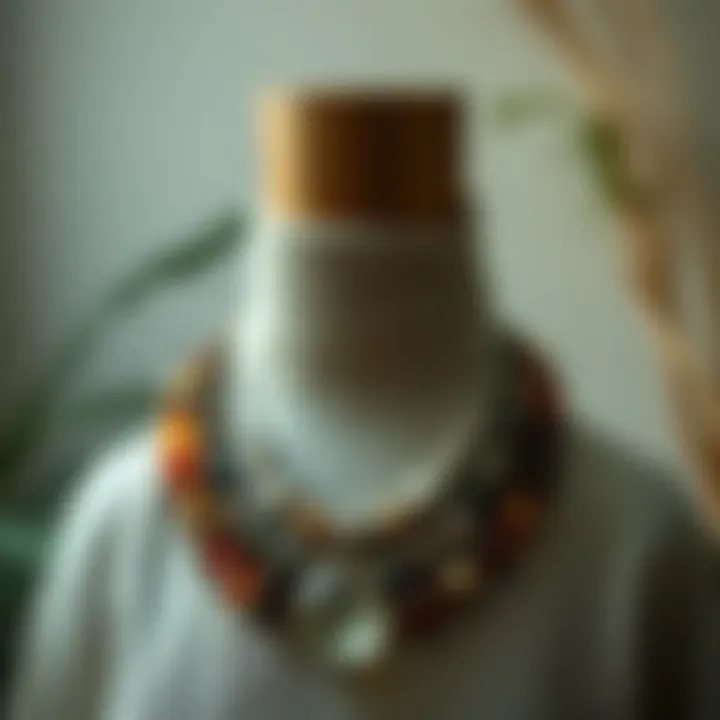
The materials used in aesthetic necklaces play an indispensable role in defining their appeal and utility within fashion. The choices made by designers and artisans not only affect the look of these pieces but also their environmental impact and cultural significance. Various materials come with their own set of characteristics and benefits, which contribute to the evolution of style preferences and increasingly responsible consumption in the jewelry market.
Natural Materials
Wood
Wooden necklaces offer a unique expression of nature within the realm of fashion. Often sourced from sustainable forests, wood provides a warm, organic aesthetic that other materials might lack. One significant characteristic of wood is its lightweight quality, making it comfortable for everyday wear. Additionally, wood can be shaped and colored in numerous ways, allowing for exceptional creativity in design.
A key feature of wooden necklaces is their ability to evoke a sense of simplicity and earthiness, enabling them to blend seamlessly with various outfits, from casual wear to bohemian styles. However, it’s worth noting that wooden jewelry can be sensitive to moisture and may require extra care in terms of maintenance, which could be seen as a disadvantage.
Bone
Bone jewelry has a rich history, serving as a canvas for artisans to express cultural narratives. Utilized in many indigenous cultures, bone adds an element of tradition to modern designs. The resilient nature of bone makes it well-suited for intricate carvings and craftsmanship, offering distinctive textures that resonate with the story behind the piece.
The unique appearance of bone necklaces, often featuring beautiful satin finishes, captures attention while enriching conversations about heritage and history. On the downside, there can be ethical concerns regarding sourcing practices that require designers to be mindful of their choices in order to uphold a respectful approach to cultural symbols.
Coral
Coral has long been valued in jewelry for its vibrant colors and natural beauty. It brings an oceanic flair to necklaces that few other materials can replicate. The characteristic depth of coral's hues adds richness to designs, making it a favored choice for both casual and formal wear. Coral necklaces often hold significant symbolism related to maritime cultures.
Nonetheless, sustainable sourcing continues to be a contentious issue; overharvesting has led to diminished coral reefs worldwide. Thus, while coral can bring a striking aesthetic to a necklace, it’s crucial to approach its use with caution and responsibility toward marine ecosystems.
Metals and Alloys
Gold and Silver
Gold and silver are the cornerstones of fine jewelry. Their intrinsic value and timeless allure contribute greatly to the desirability of aesthetic necklaces. One of the most notable characteristics of both metals is their resistance to tarnish, which translates to lasting beauty for the wearer.
The unique luster of gold and silver can complement a variety of styles, making them an ideal choice for statement pieces or minimalist designs alike. However, the production of these metals often involves environmentally damaging mining practices. This drawback has led to a growing interest in lab-created or recycled forms of these metals, aligning with modern sustainability values.
Stainless Steel
Stainless steel is increasingly favored for its durability and modern aesthetic. Its resistance to corrosion and scratches makes it an ideal option for everyday wear, which is particularly attractive to fashion enthusiasts looking for longevity in their pieces. One significant advantage of stainless steel is that it can be finished in numerous ways, producing styles ranging from sleek and polished to rugged and matte.
That said, some might find stainless steel less luxurious than precious metals, but it can offer a contemporary charm that resonates well with modern aesthetics. Furthermore, it’s generally affordable, broadening access to stylish jewelry.
Recycled Metals
In the realm of responsible fashion, recycled metals are becoming a popular choice. This material draws on metals that have been used previously, thereby reducing waste and environmental impact. Its primary characteristic is the ethical value it brings to the wearer, as it embodies a commitment to sustainable practices.
Using recycled metals can lead to unique features in design, as each piece may carry its own history. However, the market for recycled metals is still evolving, and quality can vary, which may pose challenges for both consumers and producers in selecting high-standard materials.
Synthetic Materials
Plastics and Resins
Plastics and resins have surged in popularity as versatile materials in modern jewelry design. They enable designers to experiment with colors and shapes that would be harder to achieve with traditional materials. One of the standout characteristics of these synthetic materials is their affordability, creating opportunities for wider audience engagement, especially among younger buyers.
Another advantage is their lightweight nature, resulting in comfortable pieces that can be worn all day. However, the use of plastics raises concerns regarding environmental impact and sustainability, given their long decomposition timelines. Therefore, the methods employed in sourcing and production become critical considerations for eco-conscious consumers.
Glass Beads
Glass beads bring a vibrant, colorful flair to necklaces and offer endless possibilities for intricate design. Their reflective properties can enhance the overall appearance of a piece, making it captivating in various lighting conditions. The tactile nature of glass adds another dimension to necklaces, enticing wearers with its cool feel and smooth texture.
While glass beads allow for greater flexibility in artistic expression, they also require careful handling as they can be fragile. This characteristic can be a double-edged sword for those looking to balance beauty with durability.
Artificial Gems
Artificial gems have gained traction in fashion due to their stunning aesthetics and lower costs compared to natural stones. A major characteristic of artificial gems is their capability for customization, as they can be produced in various colors and sizes, offering designers creative freedom.
The ethical aspect of synthetic stones resonates especially with a growing number of consumers prioritizing sustainability. However, some traditionalists may question the authenticity or charm of artificial versus natural gems. While this aspect remains subjective, the potential for personal expression through synthetic options continues to make them relevant in today's market.
Design Variations in Aesthetic Necklaces
The world of aesthetic necklaces is not just about wearing a piece of jewelry; it is also about expressing personal style and cultural identity. The design variations available in aesthetic necklaces play a critical role in how individuals communicate their tastes, preferences, and even beliefs. Through distinct styles—ranging from minimalist to statement pieces—each design variation offers unique attributes that can enhance or transform an outfit. Choosing the right design is essential as it can amplify not just one’s style but also the message one wishes to convey.
Minimalist Designs
Minimalism resonates deeply in today’s fast-paced world where simplicity can represent sophistication. Minimalist designs in aesthetic necklaces focus on clean lines and understated elegance.
Simple Chains
Simple chains can be a backbone for a necklace collection. Their beauty lies in their adaptability. A key characteristic of simple chains is their versatility; they can work seamlessly with various outfits—from casual attire to formal wear. Their smooth, unembellished nature makes them an excellent choice for those who prefer a classic look. The unique feature here is their ability to layer well, acting as a canvas for other pendants or accessories.
However, there is a trade-off. While simple chains are chic, they might not be the statement piece that some are after. They could be overshadowed in a stylistic conversation dominated by more elaborate designs. Still, for those valuing subtlety, they are a popular and beneficial choice.
Delicate Pendants
Delicate pendants elevate aesthetic necklaces to new heights of femininity and grace. Each pendant tells a story, often reflecting personal experiences or memories. The key characteristic of delicate pendants is their intricate details, which draw the eye without overwhelming the wearer.
Their unique feature lies in their ability to hold sentimental values—be it a locket containing a loved one's picture or a charm symbolizing something significant. This combination of beauty and meaning makes them a beloved choice for individuals wanting to express their individuality.
On the downside, their fragility can raise concerns about durability, which some buyers might find off-putting. Yet, for many, the emotional and aesthetic returns on investing in delicate pendants are worth the risk.
Statement Pieces
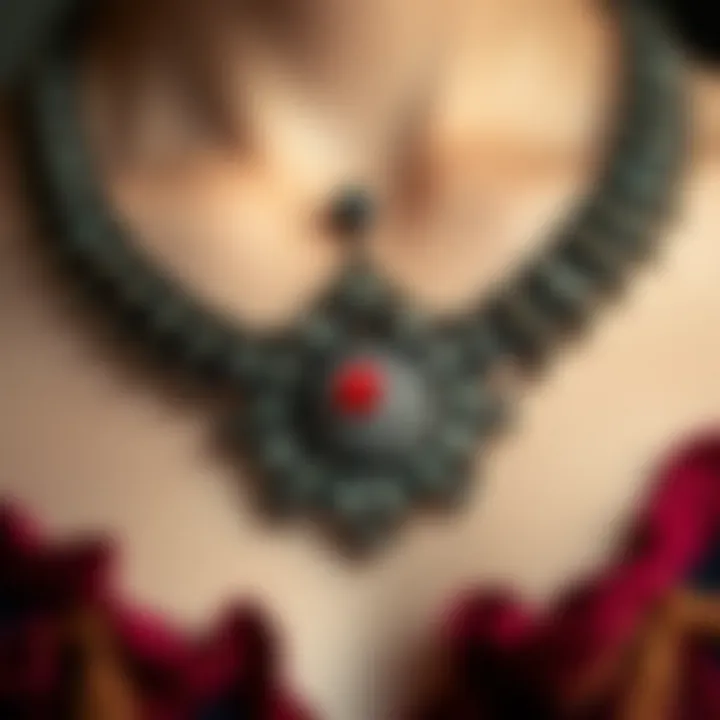
Statement pieces, as the name suggests, grab attention and hold it. They function not just as an accessory but often as the centerpiece of an ensemble. These designs can be bold, oversized, or intricately detailed, making them significant players in the styling realm.
Chunky Necklaces
Chunky necklaces exemplify boldness and creativity. Their key characteristic is their assertive presence, capable of transforming the simplest of outfits into a fashion statement. The unique feature of chunky necklaces lies in their ability to elicit conversation—one glance, and the wearer is often inundated with compliments and inquiries.
Benefits associated with these pieces include their durability, as they tend to be crafted from robust materials designed to stand the test of time. However, they can be a double-edged sword; some might find them cumbersome over long periods of wear. Despite this, they allow a sense of individuality to flourish, making them a popular and favored choice.
Layered Designs
Layered designs offer a different take on statement-making. By combining various lengths and styles, wearers can curate an ensemble that feels uniquely them. The key characteristic of layered designs is their dynamism; they allow for an evolving expression of style, adapting to different moods or occasions.
Their unique feature is that they encourage creativity by enabling combinations of contrasting materials, colors, and textures. Many find this aspect exhilarating—layers can be changed with a simple adjustment, leading to a renewed look without the need for entirely new pieces.
However, layering can sometimes overwhelm. The challenge lies in achieving a cohesive aesthetic that doesn’t appear chaotic or mismatched. If balanced correctly, layered designs can amplify both individual style and cultural expression.
Cultural Influences on Design
Cultural influences are what breathe life into the designs of aesthetic necklaces, ensuring that no two pieces are ever the same. Varied cultural inspirations contribute not just to aesthetics but also to the meaning behind each necklace.
Ethnic Inspirations
Ethnic inspirations bring with them rich histories and traditions. They allow the individual wearing them to carry a piece of a culture with them. Key characteristics often include bright colors, unique patterns, and varied textures that reflect a specific heritage. Such pieces can evoke feelings of nostalgia or cultural pride.
The unique feature here is the authenticity that comes with ethnic designs. They tell a story and can spark dialogue about culture and identity. This layering of narrative makes them an appealing choice for those looking to make a statement beyond just aesthetics.
On the downside, finding an authentic piece that honors the culture it represents requires more effort and knowledge on the part of the buyer. Despite the challenge, the cultural depth they bring can immensely enrich personal collections.
Contemporary Art Influences
Contemporary art influences invite a fresh perspective into aesthetic necklaces. Designers increasingly draw on modern artistic styles to create eye-catching pieces that might resemble fine art more than traditional jewelry. The key characteristic of these designs often involves innovative forms and unexpected uses of material.
The unique feature of contemporary art-inspired necklaces is their ability to challenge traditional notions of beauty. They can initiate conversations about art and society, transcending their physical form and entering the realm of discussion and emotion. However, this can make them less accessible to people who might prefer classic elegance over avant-garde.
The Impact of Fashion Trends on Aesthetic Necklaces
Fashion trends play a pivotal role in the way aesthetic necklaces are perceived and worn. The continuous cycle of trends shapes consumer preferences, dictates style choices, and influences the production of jewelry. Today, aesthetic necklaces serve more than just a decorative purpose; they have become symbol of identity and expression. As societal norms shift, so does the demand for necklaces that resonate with current trends, leading to a dynamic interplay between fashion and craftsmanship.
Revival of Vintage Styles
Retro Influences
Retro influences in fashion have seen a striking resurgence. Aesthetic necklaces echoing the bold designs of the 70s, 80s, and even 90s are making a comeback. These styles often feature chunky chains and oversized pendants that catch the light and the eye. The appeal lies in their distinctive character, standing out in a world where minimalism often reigns supreme. Overall, the striking contrasts and vibrant colors inherent in retro designs undoubtedly captivate the modern consumer, making them a popular choice. The vibrant palette and eclectic shapes add a dash of personality to any ensemble; they somehow manage to make even a simple outfit pop. However, while they cater to an expressive clientele, retro necklaces may alienate some who prefer subtler aesthetics, illustrating the inherent paradox of fashion: pleasing all is challenging.
Nostalgic Elements
Nostalgic elements in jewelry design tap into the emotional connection many have with past styles. Think of charm necklaces depicting beloved pop culture icons or family heirlooms reimagined for contemporary wear. This nostalgic twist resonates deeply with people, often rekindling fond memories or personal stories, transforming jewelry into wearable history. The key characteristic of nostalgic necklaces is their ability to blend personal narrative with fashion. They offer wearers not just adornment but an avenue to express significant milestones in their lives. However, while nostalgic elements can provide comfort and familiarity, they can also be perceived as overly sentimental, potentially limiting their appeal in a trend-driven market where fresh interpretations reign supreme.
Adoption of Sustainable Practices
Ethical Sourcing
As the global conversation increasingly shifts toward sustainability, ethical sourcing of materials in necklace production has garnered significant attention. Consumers grow more conscious about the origins of their jewelry, demanding transparency and responsibility from brands. This choice reflects a broader cultural shift towards mindful consumption, establishing ethical sourcing not just as a trend but as a necessity in today’s climate. By prioritizing ethically sourced materials, jewelry brands herald a new age of consumerism focused on value that goes beyond aesthetics. This choice resonates well with responsible consumers, often resulting in brand loyalty. However, the challenge lies in balancing cost-effectiveness with the commitment to ethical practices. Some might find the higher price tag a deterrent, yet the long-term benefits may outweigh initial reluctance.
Upcycling Techniques
Upcycling is gaining traction within the jewelry industry, embracing creativity in transforming old items into new aesthetic necklaces. This technique entices consumers seeking uniqueness, as no two upcycled pieces are alike. It’s not just about reducing waste; it’s about enhancing creativity and individuality. Each necklace tells its own story, crafted from materials with a past. The benefit of upcycling stands clear in its alignment with contemporary values, allowing wearers to flaunt their personal style while adhering to sustainable principles. Nevertheless, there are notable challenges. Upcycled materials might not meet the durability standards of brand-new products, and the aesthetic quality can vary significantly, which might deter some consumers from embracing this forward-thinking practice.
Role of Social Media in Shaping Trends
Influencer Culture
The rise of influencer culture on platforms like Instagram and TikTok cannot be overlooked. Influencers often dictate what’s trendy in fashion, transforming aesthetic necklaces into must-have accessories through their compelling images and endorsements. Their far-reaching impact empowers smaller designers as well, creating a diverse marketplace rich with innovative designs. The ability to crowdsource style inspiration is invaluable to consumers, driving up demand for unique pieces showcased by influencers. However, this reliance on influencers has a double-edged sword. The constant influx of trends can overwhelm consumers, leading to a cycle of relentless consumption. Popularity often overshadows substance, and many items can quickly become mere trends, lacking longevity.
Viral Trends
Viral trends spread like wildfire across social media platforms, swiftly elevating certain styles to fashion stardom. One day, dainty chains may dominate the scene, and the next, chunky statement pieces capture everyone’s eye. This rapid evolution speaks to the transient nature of fashion but also highlights a fascinating aspect of aesthetic necklaces—how they can act as indicators of societal moods. The key characteristic of viral trends lies in their ability to spark widespread dialogue about fashion. They encourage creativity, inspire new designs, and reinvigorate interest in the accessories market. However, a major downside is the trend fatigue that often follows, leaving consumers with pieces that feel dated soon after their purchase, showcasing the balance between following trends and cultivating a unique style.
In the end, the world of aesthetic necklaces is intricately woven with the threads of fashion trends, sustainable practices, and social influences. Understanding this interconnectedness empowers both consumers and designers to make choices that resonate personally and culturally.
Styling Aesthetic Necklaces
Styling aesthetic necklaces is an art form that transcends mere fashion. It's about making a statement, about personalizing one's look and expressing individuality. How one chooses to wear these necklaces can significantly enhance an outfit's aesthetic appeal.
One key element of styling is the ability to layer different pieces. Not only can you transform simple attire into a chic ensemble, but layering also brings depth and dimension to one's overall appearance. As fashion evolves, the importance of how jewelry is styled becomes apparent, especially when considering how it reflects personal identity.
Layering Techniques
Combining Different Lengths
Combining different lengths of necklaces is more than just throwing on two or three pieces. It’s a method that creates an illusion of depth and interest around the neck. By mixing various lengths, one can draw attention to collarbones or neckline styles. The key characteristic here is asymmetry; perfectly matched lengths might look polished, but a well-crafted mismatch can bring an edge to any look.
A popular choice in contemporary styling, this technique is both visually appealing and sophisticated. Avoiding monotony in jewelry choices fosters creativity. It encourages experimentation with diverse styles. While combining different lengths allows for a personalized aesthetic, one must be cautious not to overdo it; too much clutter can lead to distraction rather than enhancement.


Mixing Materials
Mixing materials in necklace styling is an exciting venture into personal creativity. Whether it's blending metal chains with wooden beads or layering gemstones with delicate threads, this style offers a vast palette of textures that can be both eye-catching and distinct. This approach is often celebrated because of the uniqueness it brings to each ensemble.
This characteristic makes mixing materials a popular option. The unique feature lies in its versatility; it can evoke different moods and styles depending on how materials are combined. It’s adaptable, allowing for a switch from bohemian to minimalist with a few adjustments. However, one must be mindful of how these materials interact; incompatible combinations may lead to a disjointed look rather than a harmonious ensemble.
Occasion-Based Styling
Casual Wear
Casual wear doesn't mean one can't dazzle. Accessorizing with aesthetic necklaces elevates everyday outfits from mundane to mesmerizing. Incorporating simple yet stylish necklaces can add that extra flair to a T-shirt and jeans. A key characteristic of this approach is effortlessness. It shows that one can look good without overthinking style.
A practical advantage to this style is its accessibility. Casual outfits are often chosen for comfort, and adding that touch of glam doesn't detract from ease. Alternatively, one must be careful; the wrong necklace can overpower a relaxed look.
Formal Events
When it comes to formal events, aesthetic necklaces play a pivotal role. They can either blend in with a sophisticated gown or stand out as a statement piece. A prominent characteristic of this styling is elegance. Selecting the right necklace can enhance the overall outfit while harmonizing with accessories and makeup.
Choosing necklaces for formal events often leans towards intricate designs or bold statements. These choices reflect sophistication and transform an outfit into something memorable. However, it is crucial to coordinate the necklace with the neckline of the dress; mismatched styles can result in confusion rather than complement.
Personal Expressions through Jewelry
Symbolic Meanings
Jewelry often carries significant personal or cultural meanings. Symbolic meanings woven into aesthetic necklaces can be comforting, serving as reminders of significant life moments or beliefs. This particular characteristic of jewelry resonates with many fashion enthusiasts.
The advantage of such symbols is their ability to tell a story without the need for words. Customization allows wearers to share their unique narratives. However, not everyone may identify with these symbols, and it’s essential to respect varied interpretations to avoid misunderstanding.
Custom Designs
Custom designs bring an entirely new level of personal expression. These necklaces can reflect individual style, sentiments, or even milestones. Those who favor custom designs appreciate the exclusivity of a piece that no one else possesses. This individuality is a key characteristic that makes custom necklaces special.
The notable advantage of going custom is the direct reflection of personal taste embedded in each piece, making it wholly unique. However, creating a custom design may require more time and investment, leading some to prefer readily available options instead.
Sustainable Practices in Necklace Production
The realm of jewelry, particularly aesthetic necklaces, is increasingly intertwined with sustainability. As consumers become more conscientious about their purchases, the demand for eco-friendly practices in the production of necklaces has surged. This section dives into the various aspects of sustainable practices, illuminating why they matter not just for the environment, but also for the jewelry industry itself.
Ethical Sourcing Initiatives
One of the cornerstones of sustainable necklace production is ethical sourcing. This refers to the responsible procurement of materials that are used in jewelry creation. For instance, taking special care to procure gemstones from suppliers who follow fair labor practices and adhere to environmental regulations can significantly reduce the adverse impact on communities and ecosystems.
An important feature of ethical sourcing is that it supports fair trade, which empowers local artisans and helps them thrive. It also ensures that the materials meet certain environmental standards, mitigating the carbon footprint associated with mining and extraction processes. In today’s market, more consumers are willing to pay a premium for pieces that uphold these values. By buying necklaces made from ethically sourced materials, buyers support a chain of production that is conscientious and responsible.
Environmental Considerations
Environmental considerations encompass two significant aspects: the impact of mining and waste management. The jewelry industry has faced heavy scrutiny concerning its environmental footprint, particularly regarding mining operations.
Impact of Mining
Mining, often necessary for the extraction of precious metals and gems, poses serious environmental challenges. The impact of mining includes habitat destruction, soil erosion, and pollution of water sources. These detrimental effects highlight mining’s unsustainable nature, making it critical for the industry to adopt more sustainable methods. This push for more responsible mining practices has resulted in companies seeking alternative materials such as lab-grown diamonds and recycled metals. Not only do these alternatives help avoid the pitfalls of traditional mining, but they also offer a chance to create stunning pieces without contributing to environmental degradation.
Waste Management
Proper waste management is another vital factor that contributes to sustainable practices in necklace production. Jewelry making produces various types of waste, from off-cuts of metals to unsalable gems. The approach towards managing this waste can vary significantly. Some companies take a proactive stance by recycling scrap materials to create new items, thereby minimizing waste. However, many small artisans often lack the resources to manage waste effectively. The challenge is to educate these creators about responsible production methods to help them reduce waste, as well as to inform consumers about the importance of supporting those who prioritize waste reduction. By encouraging recycling and reusing materials, not only does the jewelry industry reduce its carbon footprint, but it also attracts a more socially aware consumer base.
Consumer Awareness and Choices
When consumers are informed, their choices can drive significant change in the marketplace. With the rise of sustainable practices, being mindful about where and how jewelry is produced is necessary for anyone looking to make a fashion statement.
Supporting Small Artisans
Supporting small artisans plays a crucial role in promoting sustainable necklace production. These creators often use local materials and traditional crafting techniques that eliminate the gimmicks of mass production. What sets them apart is their unique designs, which reflect cultural heritage and personal stories. Buying from these artisans not only fosters local economies but also contributes to a more sustainable future for the jewelry industry. Plus, it promotes a connection between the consumer and the product, which is often lost in mass-produced items.
Choosing Eco-Friendly Options
When consumers opt for eco-friendly options, they contribute to a larger shift towards sustainability in fashion. Eco-friendly necklaces are often made from recycled materials, reducing the demand for new resources while still offering beautiful and stylish pieces. This choice resonates well among fashion enthusiasts, as it aligns their personal style with their values.
However, navigating the market for eco-friendly jewelry can be tricky. Not all brands are transparent about their sourcing or production processes. This is why consumers must actively seek out information about the brands they support, ensuring that their purchasing decisions align with their sustainability goals.
Overall, sustainable practices in necklace production are not just a passing trend; they signify a broader recognition of responsibility towards the environment and society at large. As the landscape of fashion continues to evolve, embracing these practices is paramount for both industry sustainability and consumer awareness.
Closure: The Future of Aesthetic Necklaces
Aesthetic necklaces are poised for an exciting tomorrow. As we navigate through shifts in consumer preferences and cultural perspectives, the role of necklaces in fashion continues to transform. These changes are not just about trends; they reflect deeper societal values and a growing insistence on individuality and sustainability in personal expression through jewelry.
Evolving Trends and Consumer Demands
Today’s consumers are increasingly aware of the stories behind the products they choose. They prioritize authentic connections with the items they wear, leading to a surge in demand for personalized and unique pieces. This has resulted in the rise of custom designs that echo an individual’s personal journey or cultural heritage. The evolution isn’t merely in the look but also in the messaging; sustainability and ethical sourcing play a pivotal role in modern purchasing decisions.
Moreover, fashion influencers and social media platforms have accelerated the pace at which trends can emerge and spread. This has created a dynamic environment where aesthetic necklaces can rapidly evolve, ensuring they stay relevant in a fast-changing landscape.
Integrating Technology and Design
Advancements in technology guide the way for the future of aesthetic necklaces, pushing boundaries in creativity and accessibility.
3D Printing Innovations
3D printing has redefined the possibilities in necklace design. This technology empowers designers to craft intricate forms that were once a pipe dream, providing a canvas for imaginative creations. Its standout characteristic is the precision and detail it affords, making unique shapes and styles readily available. That’s a significant plus for designers who aim for one-of-a-kind pieces. The accessibility of 3D printing can lower production costs and eliminate excessive waste that often accompanies traditional manufacturing processes. However, the downside lies in the limited material choices when compared to conventional methods, which might have some impact on aesthetic variety.
Smart Jewelry
Smart jewelry is another fascinating advancement in the realm of aesthetic necklaces. With embedded technology, these pieces do much more than just adorn the wearer; they serve functional purposes. From health monitoring to connectivity with smartphones, this fusion of fashion and tech is gaining traction. The major appeal of smart jewelry is its innovative blend of style with practicality, appealing to a tech-savvy audience. Still, there are challenges to consider, such as the durability of these pieces and the potential need for batteries, which might deter certain buyers looking for traditional aesthetics.